New Delhi: India’s fourth-place finish at the Aichi-Nagoya Asian Games is an achievement worth celebrating, but it should also serve as a catalyst for deeper reflection and a more ambitious sporting vision. With 85 medals — 21 gold, 27 silver and 37 bronze — Indian athletes demonstrated considerable strength across a wide range of disciplines.
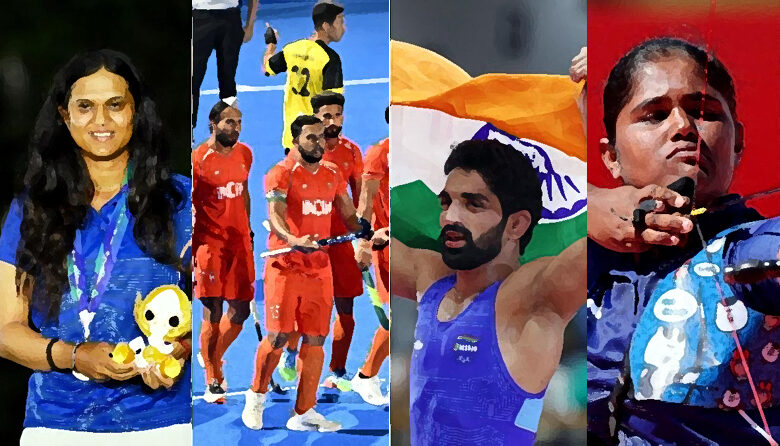
India’s performance produced several notable highlights. Archery emerged as a major success, with the country winning nine medals, including five gold. Individual achievements in archery and golf, along with strong performances in boxing and wrestling, underlined the depth of Indian sporting talent. India also maintained its dominance in cricket, hockey and kabaddi.
The women’s hockey team delivered one of the most significant performances, defeating defending champions China to claim gold and ending a long wait for Asian Games success. The victory demonstrated what can be achieved when talent, discipline, teamwork and sustained preparation come together.
However, the overall performance also exposed areas requiring greater attention. Athletics did not produce the expected results, while shooting, traditionally one of India’s stronger medal-producing disciplines, fell short of expectations. The decline in both total medals and gold medals compared with the previous edition also points to the need for a comprehensive review.
India’s challenge is therefore not simply to increase its medal tally but to build a sporting ecosystem capable of consistently producing world-class champions. Identifying talent at the grassroots level, providing scientific training, strengthening nutrition and sports medicine, improving mental conditioning and giving athletes regular international exposure will be crucial.
India’s large youth population represents an enormous pool of potential talent, particularly in villages, smaller towns and economically modest communities. Yet many promising athletes struggle to progress because of inadequate facilities, coaching, equipment and financial support. Greater cooperation among governments, sporting bodies, educational institutions and the private sector could help bridge these gaps.
The integration of sports science must also become a central part of high-performance training. Data analysis, biomechanics, sports medicine, psychology, fitness and nutrition can help athletes improve performance while reducing injury risks. Mental preparation is equally important, particularly when competitors face the pressure of major international events.


Women athletes have emerged as an important pillar of India’s sporting progress. Their achievements in hockey, archery, boxing, wrestling, athletics, golf and other disciplines demonstrate the enormous potential available. Greater opportunities for girls from rural and semi-urban areas, including safe sporting facilities, female coaches, scholarships and family support, could further expand India’s competitive strength.
With the Los Angeles 2028 Olympics approaching, the lessons from the Asian Games should translate into concrete planning. Each sport needs clearly defined performance targets, identified medal prospects, structured training programmes and a well-planned international competition calendar. Greater attention is also required in disciplines such as athletics, swimming, shooting, gymnastics, cycling, wrestling and boxing, where sustained investment could broaden India’s medal base.
India’s fourth-place finish shows that the country has established itself among Asia’s leading sporting nations, but it also highlights the distance still to be covered. The objective should now be to build a system capable of competing consistently for the top positions in Asia and making a stronger impact on the Olympic stage.
Sport is about more than medals. It promotes discipline, resilience, leadership, teamwork, confidence and a culture of healthy living. Investment in sport is therefore an investment in the country’s future.
The Aichi-Nagoya Games have given India reasons to celebrate, but they should also inspire a larger ambition. Fourth place should be treated not as a destination but as a stepping stone towards sustained excellence and a stronger presence among the world’s leading sporting nations.













 https://www.youtube.com/watch?si=RtToJsBhYBatUrym&v=mOuYNSdhjHA&feature=youtu.be