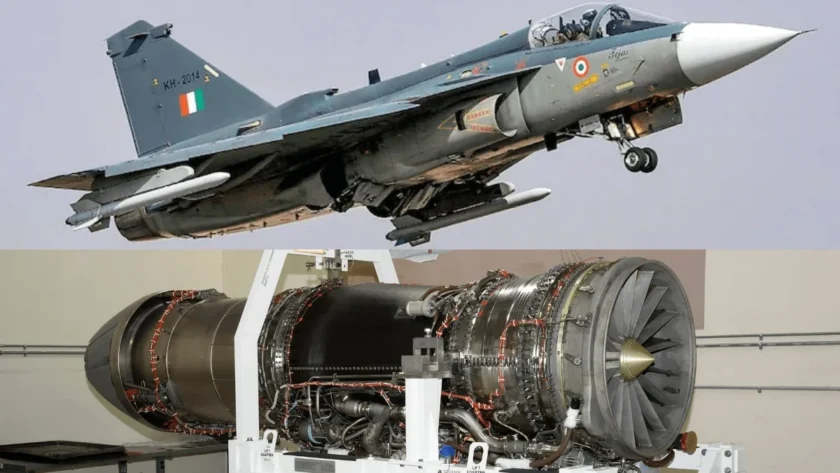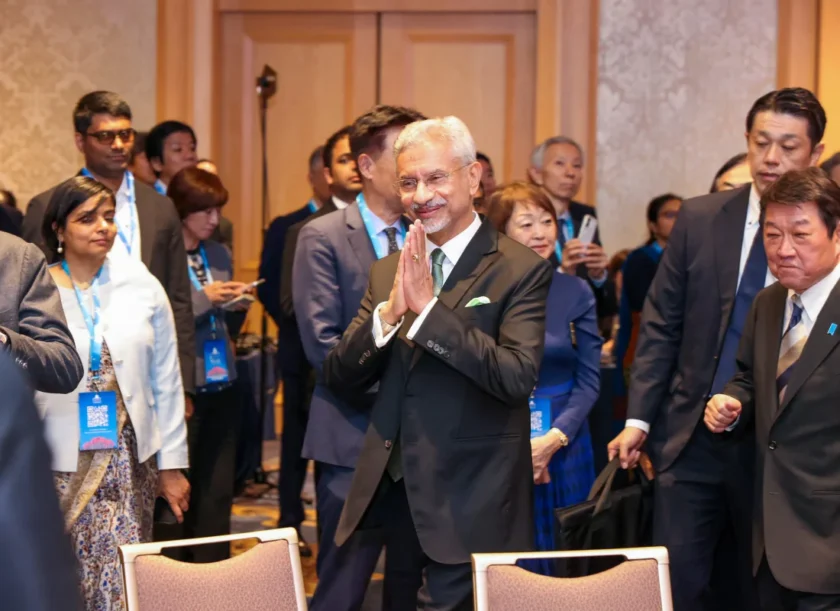
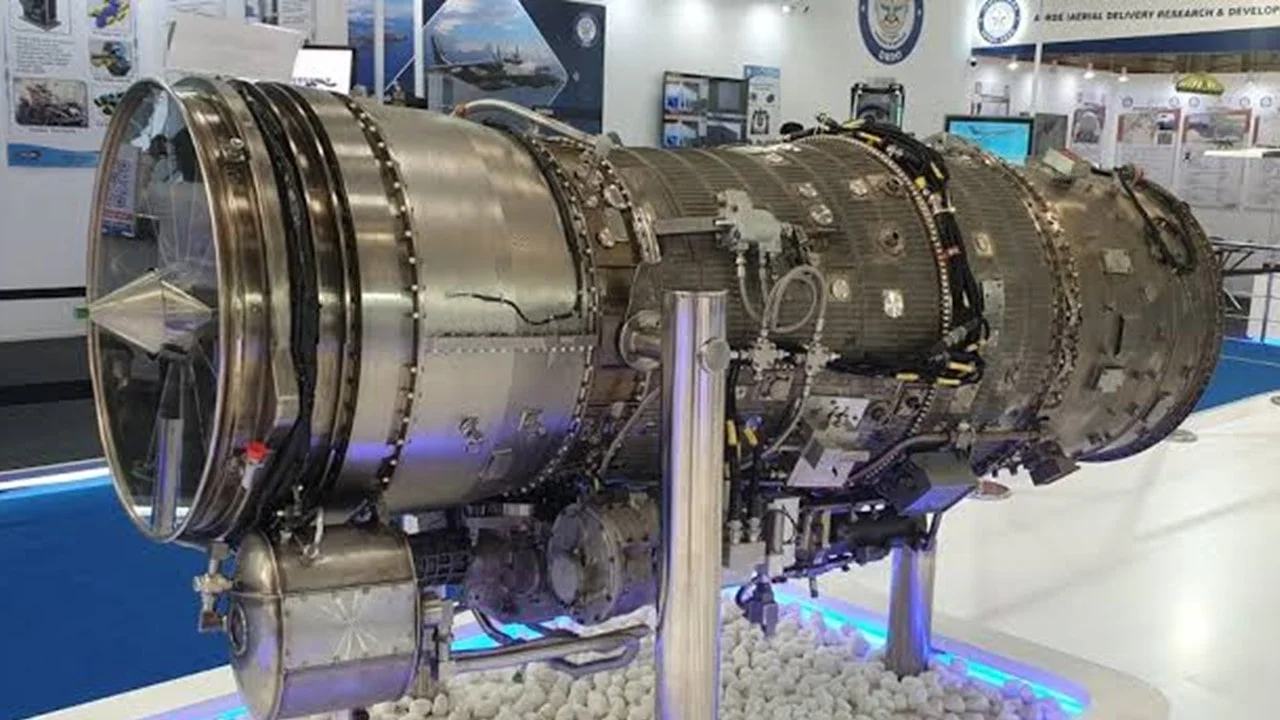
New Delhi: India should leverage the technological foundation developed under its Kaveri jet engine programme and partner with a foreign manufacturer to develop the engine for the Advanced Medium Combat Aircraft (AMCA) Mk2, former Defence Research and Development Organisation (DRDO) chairman Dr Samir V. Kamat has said.
Kamat highlighted the challenges of developing a modern fighter aircraft engine from scratch, noting that the process could take 10-15 years and require an investment of approximately Rs 50,000 crore.
He advocated an international co-development partnership on equal terms to reduce financial and technological risks while ensuring India retains control over critical technologies.
Kaveri programme provides technological foundation
Addressing misconceptions about the Kaveri engine programme, Kamat said it had generated valuable engineering expertise and technological knowledge despite not achieving its original objective of powering India’s fighter aircraft.
The programme has helped India reach Technology Readiness Level (TRL) 4-5 in aero-engine development, providing a foundation for future collaboration with international manufacturers.
He argued that meaningful co-development requires both partners to possess a substantial technological base. If one partner has advanced technology while the other starts from scratch, the arrangement effectively becomes technology transfer rather than genuine collaboration.
India’s experience with the Kaveri programme would allow it to participate more actively in design, development and technology integration in a future engine project.


Intellectual property key to self-reliance
Kamat stressed that domestic manufacturing of foreign-designed engines alone would not ensure technological self-reliance. Ownership and access to intellectual property (IP) would be essential for future modifications, upgrades and development of advanced propulsion systems.
Without control over critical technologies, India could remain dependent on foreign suppliers as imported systems become outdated and require replacement or upgrades.
A genuine co-development agreement for the AMCA Mk2 engine should therefore ensure that India acquires the necessary technological capabilities and intellectual property rights to independently develop future engine variants.
AMCA Mk2 requires advanced indigenous propulsion
The initial production variants of India’s fifth-generation AMCA fighter are expected to use imported GE F414 engines. The subsequent Mk2 version, however, is expected to require a more powerful and customised engine developed with greater indigenous technological involvement.
Kamat also called for closer coordination between academic institutions, research laboratories and private industry to accelerate aerospace development.
Combining India’s experience gained through the Kaveri programme with the manufacturing expertise and advanced technologies of a foreign partner could help reduce development risks and strengthen India’s long-term capabilities in military aviation propulsion.










 https://www.youtube.com/watch?si=RtToJsBhYBatUrym&v=mOuYNSdhjHA&feature=youtu.be