New Delhi: India is exploring possible engagement with international sixth-generation fighter programmes while continuing to develop its indigenous Advanced Medium Combat Aircraft (AMCA), reflecting a broader effort to prepare the armed forces for increasingly technology-driven warfare.
Defence Minister Rajnath Singh, speaking at the NDTV Defence Summit 2026, outlined a vision for a “future-focused” military, noting the growing importance of advanced technologies and multi-domain operations in future conflicts.

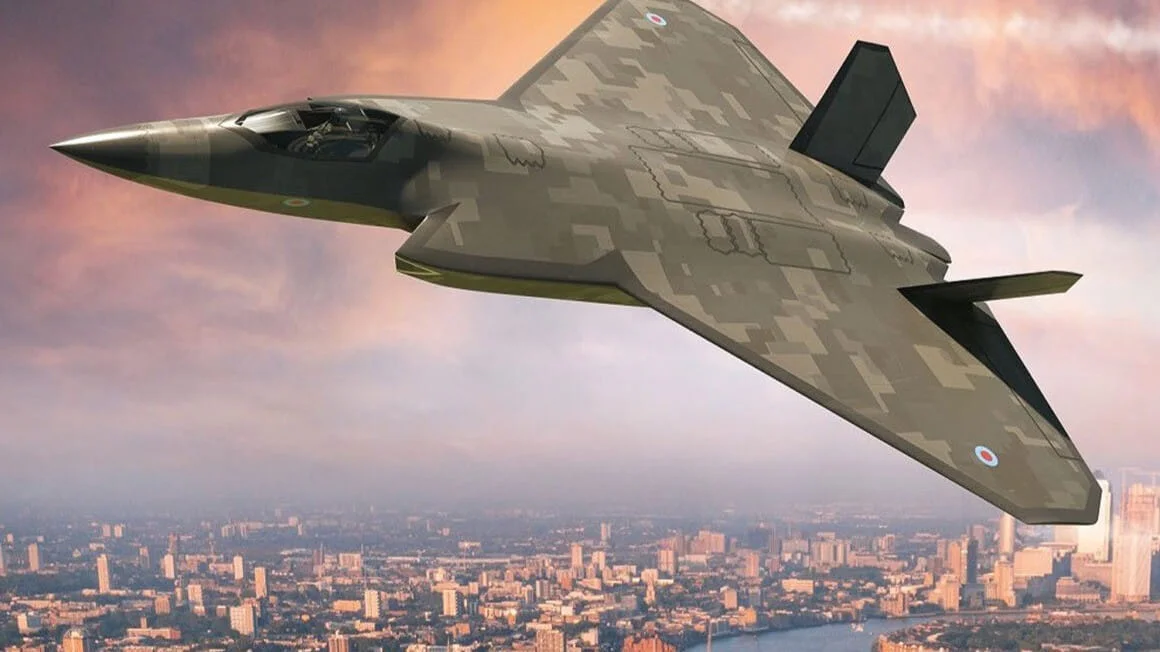
As part of this approach, India is examining opportunities associated with the UK-led Global Combat Air Programme (GCAP), involving the United Kingdom, Italy and Japan, as well as the European Future Combat Air System (FCAS), being developed by France, Germany and Spain.
India became a dialogue partner in GCAP in September 2026, allowing it to participate in consultations and follow technological developments without, at present, taking on direct development or manufacturing commitments. Separately, the Ministry of Defence has informed Parliament that discussions have begun on India potentially “co-joining” the FCAS programme.
FCAS is conceived as a broader combat-air ecosystem incorporating a next-generation fighter, unmanned remote carriers and an AI-enabled combat cloud. GCAP is similarly focused on integrating crewed aircraft with autonomous systems and advanced digital technologies.


The government has maintained that exploring international sixth-generation programmes will not affect the AMCA project. The indigenous fifth-generation fighter is expected to make its first flight around 2028–29, with induction targeted for the mid-2030s.
The parallel approach could allow India to continue building domestic aerospace capabilities while gaining exposure to emerging technologies in areas such as stealth, autonomous systems, manned-unmanned teaming and networked combat operations.
The extent of India’s eventual participation in either GCAP or FCAS will depend on future government-to-government discussions, technological requirements and the terms of any partnership agreement.











 https://www.youtube.com/watch?si=RtToJsBhYBatUrym&v=mOuYNSdhjHA&feature=youtu.be