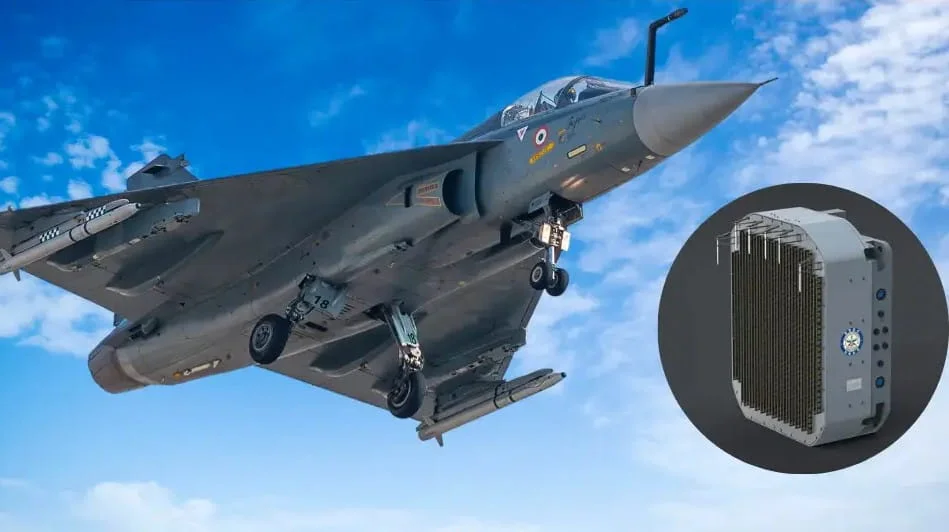
New Delhi: Former Indian Air Force (IAF) Chief Air Chief Marshal (Retd) RKS Bhadauria has criticised Hindustan Aeronautics Limited (HAL) for deciding to retain the Israeli EL/M-2052 radar across the first batch of 83 Tejas Mk1A fighter aircraft instead of introducing India’s indigenous Uttam Active Electronically Scanned Array (AESA) radar.
Speaking on NDTV’s Ctrl + Alt + Defence podcast, Bhadauria described the decision as a mistake and questioned HAL’s project management and execution capabilities. He maintained that the indigenous radar had reached a level of maturity that justified its adoption.
The controversy has renewed debate over India’s defence manufacturing strategy and the pace of indigenisation in military aviation.
Uttam Radar Shows Promising Performance in Trials
Developed by the Defence Research and Development Organisation (DRDO) through its Electronics and Radar Development Establishment (LRDE), the Uttam AESA radar has undergone flight testing on Tejas Limited Series Production aircraft.
According to performance figures cited in the report, Uttam features approximately 980 transmit-receive modules (TRMs), compared with around 900 in the Israeli EL/M-2052 system.
The indigenous radar is also reported to have demonstrated the ability to track more than 100 targets simultaneously, compared with approximately 64 for the Israeli system. Its reported detection range extends up to 140 kilometres, against around 100 kilometres for fighter-sized targets with the EL/M-2052.
Its antenna design, featuring ultra-low sidelobes, is also intended to improve resistance to electronic interference and jamming.
HAL Changes Original Radar Integration Plan
Under the original procurement plan for the 83 Tejas Mk1A aircraft, the first 40 jets were to be equipped with the Israeli EL/M-2052 radar and associated electronic warfare systems. From the 41st aircraft onwards, the indigenous Uttam radar was scheduled to be introduced.
However, HAL subsequently decided to retain the Israeli configuration throughout the first batch, citing concerns over certification timelines and the integration of the indigenous radar with the aircraft’s electronic warfare systems.
The decision was aimed at avoiding further delays in aircraft production and delivery. Integration of Uttam has consequently been deferred to the second batch of 97 Tejas Mk1A fighters.


Bhadauria Questions HAL’s Project Management
Bhadauria rejected the suggestion that the Uttam radar was not sufficiently mature for integration.
“I am aware of Uttam. I think Uttam has already come of age,” he said during the podcast.
He also indicated that the Indian Air Force was satisfied with the radar’s capabilities and argued that the decision should not be attributed to operational concerns raised by the service.
Directing his criticism towards HAL’s project execution, the former IAF chief described its project management as disastrous. He argued that major defence manufacturing programmes required greater urgency, tighter coordination and extended production shifts.
He also questioned the pace of work at manufacturing facilities, remarking that the absence of round-the-clock operations reflected a lack of the urgency needed for projects of national importance.
Implications for India’s Defence Self-Reliance
The decision to postpone Uttam’s induction raises questions about balancing production schedules with the long-term objective of reducing dependence on imported defence technology.
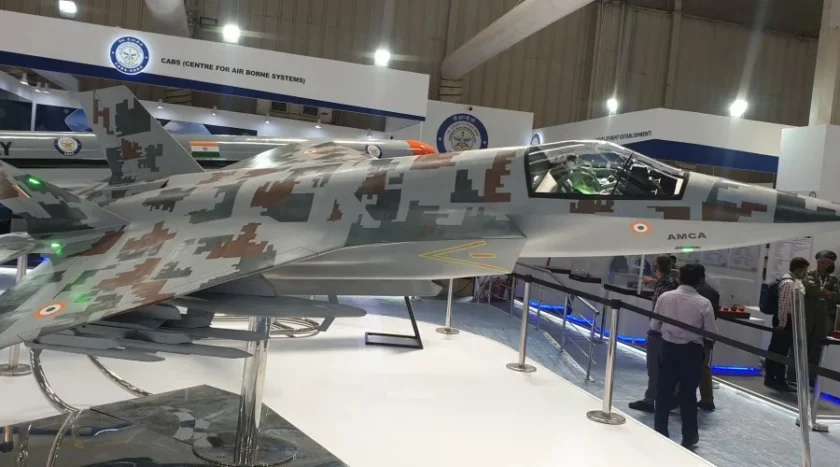
The radar is expected to have applications beyond the Tejas Mk1A programme. Its development is relevant to future platforms, including the Tejas Mk2 and the Advanced Medium Combat Aircraft (AMCA), as well as proposed upgrades to the Su-30MKI fleet.
Bhadauria’s criticism highlights the need for closer coordination between aircraft manufacturers, research agencies and the armed forces to ensure that indigenous technologies move from successful testing to operational deployment without unnecessary delays.
The debate also puts the spotlight on HAL’s ability to accelerate production while supporting the government’s broader defence indigenisation objectives.








 https://www.youtube.com/watch?si=RtToJsBhYBatUrym&v=mOuYNSdhjHA&feature=youtu.be