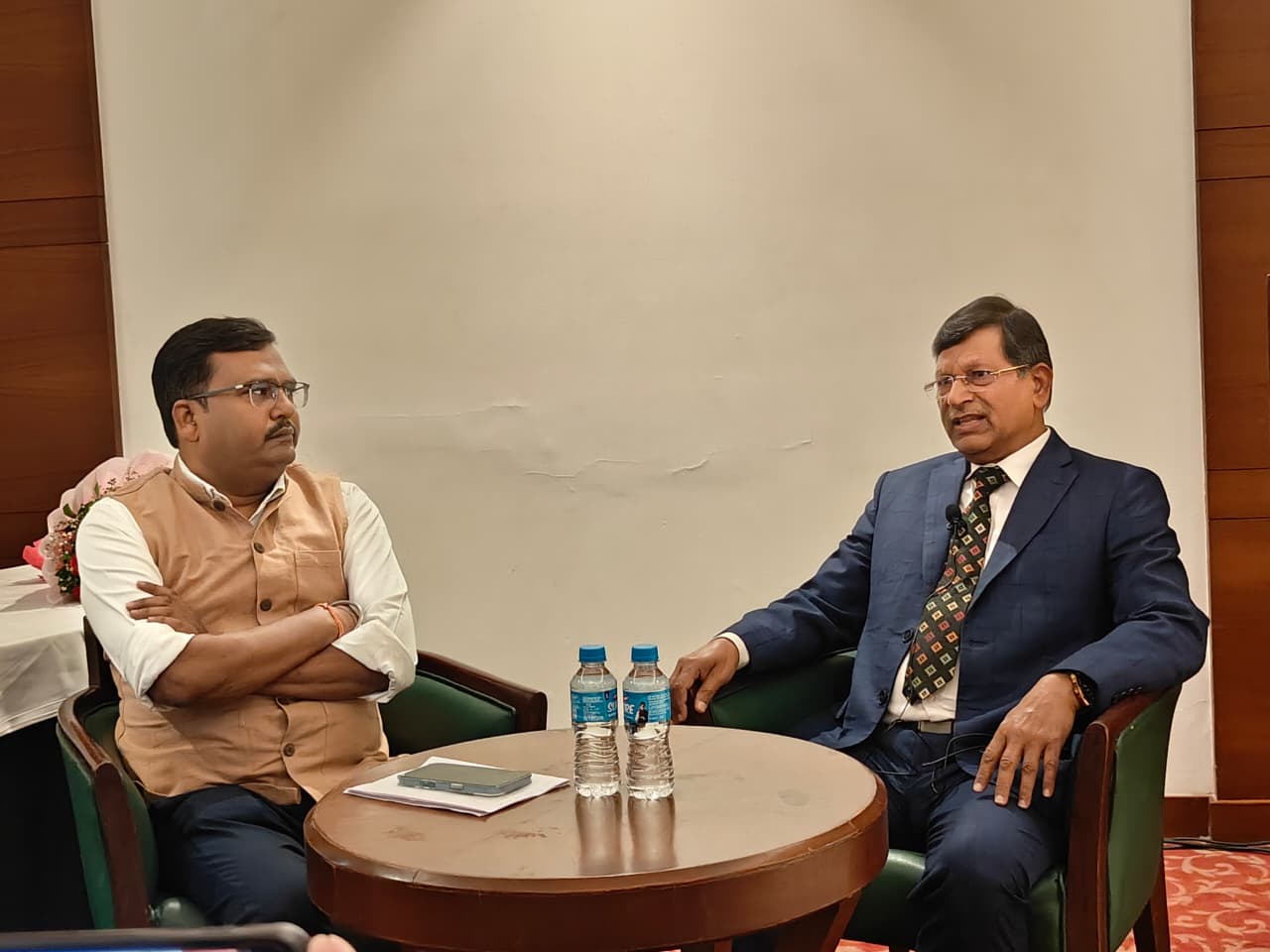
Lucknow: India is undergoing a rapid epidemiological transition, with lifestyle-related and non-communicable diseases (NCDs) replacing infectious diseases as the country’s most pressing public health challenge, according to leading physician and regenerative medicine specialist Dr B.S. Rajput.
Speaking at the SPARK Health Dialogue, jointly organised by the Social and Economic Sustainability Research Foundation and Anusandhan Evam Gyan Manch at Hotel Fortune BBD in Lucknow, Dr Rajput stressed the need for preventive healthcare, early diagnosis, multidisciplinary treatment approaches, and evidence-based regenerative medicine to tackle the growing burden of chronic illnesses.

A senior physician and expert in stem cell therapy, cellular therapy and regenerative medicine, Dr Rajput said rapid urbanisation, sedentary lifestyles, rising obesity, unhealthy dietary habits and increasing life expectancy have significantly contributed to the surge in chronic and degenerative diseases across the country.
“India is moving swiftly through an epidemiological transition. Today, chronic, degenerative and lifestyle-related diseases pose a much greater challenge to the healthcare system than infectious diseases,” he said.
Highlighting the prevalence of musculoskeletal disorders, Dr Rajput noted that nearly 180 million Indians are affected by various forms of arthritis. He added that around 15 per cent of adults aged between 30 and 50 years exhibit symptoms of knee osteoarthritis, while its prevalence rises to nearly 50 per cent among people over the age of 50.
Discussing neurological rehabilitation, Dr Rajput said India records an estimated 150,000 to 200,000 new spinal cord injury cases annually, with nearly half resulting from road accidents. He pointed out that states such as Uttar Pradesh and Bihar face increasing demand for long-term rehabilitation due to road traffic accidents, agricultural injuries and limited access to timely trauma care.

He also referred to rare neurological disorders such as Duchenne Muscular Dystrophy and Amyotrophic Lateral Sclerosis (ALS), underscoring the need for continued research and specialised treatment options.
Speaking on the emerging role of stem cell and cellular therapies, Dr Rajput clarified that regenerative medicine should not be viewed as a replacement for conventional treatment but rather as an additional therapeutic option for carefully selected patients. He said these therapies are currently undergoing clinical evaluation for conditions including knee osteoarthritis, sports injuries, cartilage regeneration, tendon and ligament repair, spinal cord injuries, diabetic wound healing, and certain neurological disorders.
He emphasised that while stem cell and cellular therapies represent one of the fastest-evolving areas of biomedical science with significant therapeutic potential, their application must always be guided by robust scientific evidence, ethical standards, regulatory oversight and careful patient selection.
Concluding the programme, Rakesh Mishra, Programme Director of the Social and Economic Sustainability Research Foundation, said the SPARK Health Dialogue aims to create a credible platform for interaction among physicians, biomedical researchers, policymakers, health communication experts and the wider community to promote informed discussions on emerging healthcare challenges and innovations.