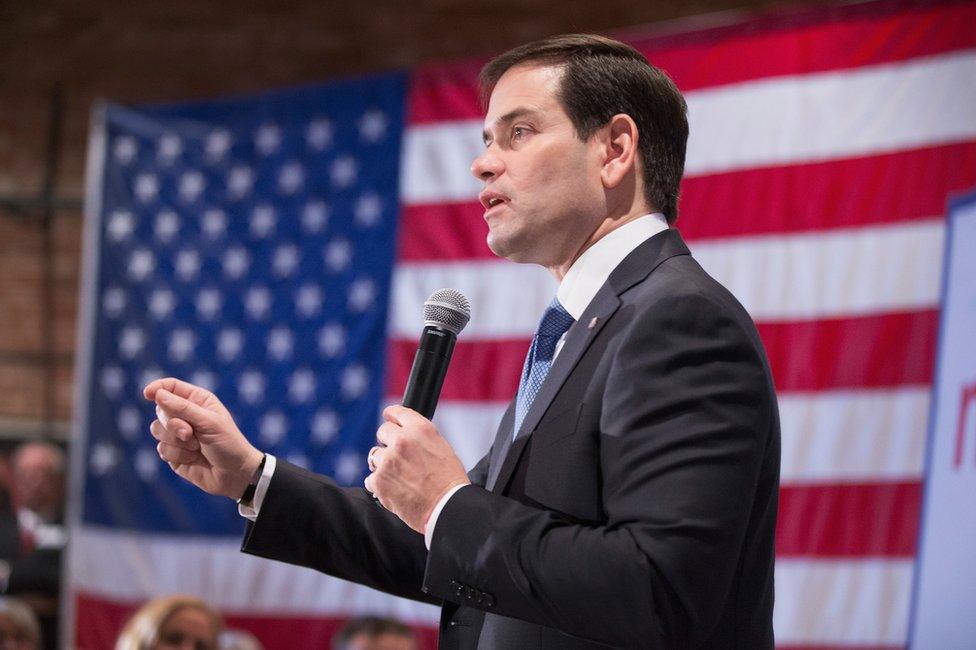
Washington, D.C.: U.S. Secretary of State Marco Rubio is set to face detailed questioning from lawmakers this week as he appears before Congress for hearings primarily focused on the State Department’s budget request. However, the proceedings are expected to go far beyond fiscal matters, with the spotlight firmly on Washington’s evolving strategy toward Iran and the broader direction of American foreign policy.
Budget Hearings Overshadowed by Foreign Policy Debate
Rubio’s testimony before House and Senate committees comes at a sensitive moment, as diplomatic efforts aimed at containing tensions with Tehran remain uncertain. Although a temporary ceasefire framework is in place, recent incidents and continued regional instability have raised doubts about its durability.

Lawmakers from both parties are expected to press Rubio for clarity on the administration’s long-term objectives, including how it plans to prevent further escalation and what conditions would define success in the ongoing standoff.
This appearance marks Rubio’s first public congressional testimony since the conflict intensified earlier this year, making it one of the most closely watched hearings of the season.
Divisions Over Military Strategy
Since the outbreak of hostilities, administration officials, including Rubio, have defended President Donald Trump’s decision to authorize targeted military action, arguing it was necessary to address security threats linked to Iran.
Critics, however, continue to question both the legal basis and strategic consistency of the campaign, pointing to earlier pledges to avoid prolonged military engagements in the Middle East. Some lawmakers have also raised concerns that the administration’s objectives appear to have shifted over time without clear public explanation.
Growing Bipartisan Concerns in Congress
In classified briefings held after the initial strikes, members of Congress expressed sharply divided views. While many Republicans initially supported the administration’s position, Democrats strongly objected to the absence of formal congressional authorization.
More recently, concerns have broadened beyond constitutional issues to include the financial burden of sustained military involvement. With elections approaching, several lawmakers from both parties have begun focusing on rising costs and public fatigue over overseas conflicts.

Political Pressure Mounting on Capitol Hill
Tensions have become increasingly visible in recent legislative efforts. The Senate recently advanced a resolution aimed at limiting U.S. involvement in the conflict, reflecting growing unease even among some traditionally supportive lawmakers.
In the House, a separate war powers measure was debated but ultimately blocked from a floor vote amid uncertainty over whether it could be defeated. The developments underscore the fragile political consensus surrounding the administration’s foreign policy approach.
Cuba Policy Adds Another Layer of Questions
Beyond Iran, Rubio is also expected to face questions about the administration’s tougher posture toward Cuba. Recent remarks from President Trump have signaled that Cuba could become a more prominent focus of U.S. foreign policy once the Iran situation stabilizes.
Although limited diplomatic engagement between the two countries continues, Washington has maintained a firm stance, including new warnings and legal actions targeting Cuban leadership figures.
Rubio’s Longstanding Position
Rubio has long argued that Cuba poses national security concerns due to its alliances with U.S. adversaries, a position he has maintained throughout his tenure in both Congress and as Secretary of State.
With multiple hearings scheduled over the coming days, lawmakers are expected to use the opportunity to press for greater clarity on America’s global strategy at a time of heightened geopolitical uncertainty. The sessions may ultimately reveal how the administration intends to balance military action, diplomacy, and domestic political pressure in the months ahead







 ---------------------------------------------------------------------------------------------------