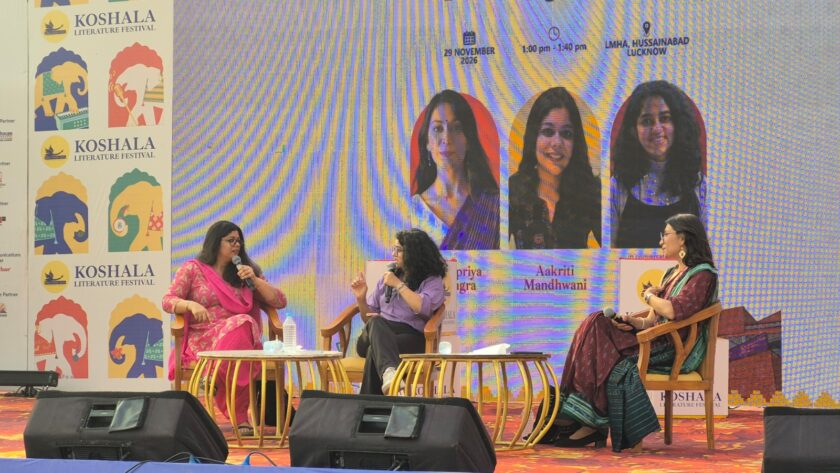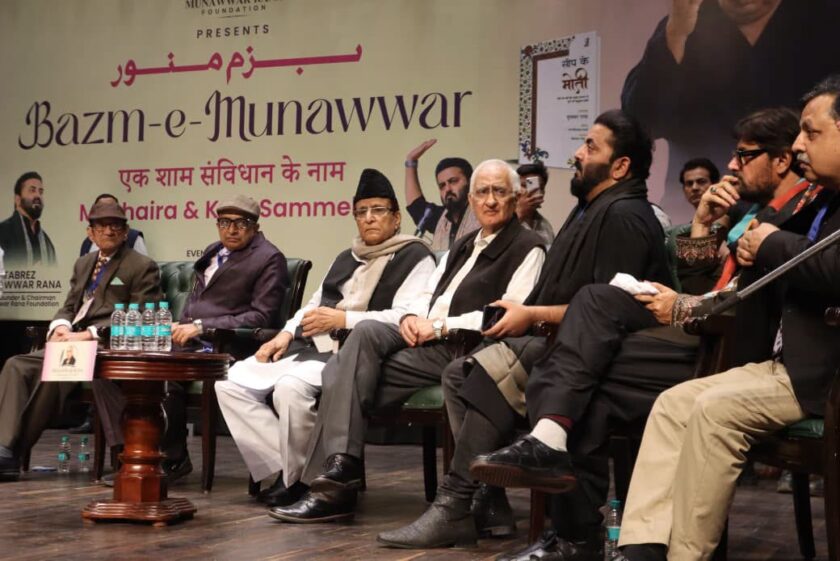

Lucknow: How does a city carry its history into everyday life? That was the question behind the session The Past Lives in the Present, where Ravi Bhatt and Vandana Sehgal spoke with Tahira Hassan about Lucknow’s heritage, culture and the ways it can be kept alive for the next generation.
Tahira Hassan opened the conversation with a tribute to the city itself, celebrating its heritage, culture, cuisine and long contribution to literature.
Old and new, side by side
Vandana Sehgal said every city is a blend of old and new traditions, and that modern monuments often carry traces of much older styles. Awadhi culture and the wider cultural heritage around it, she said, can be conserved through both government action and public participation.
She pointed to Chattar Manzil, which is being developed commercially while its heritage is preserved. Reflecting on why such efforts matter, she said: “Any heritage is relevant if it is still the past of the present.”
A shared, secular tehzeeb
Ravi Bhatt turned to the Ganga-Jamuni tehzeeb, the blended culture Lucknow is known for. He said Aadab is not tied to any one religion, and described Lucknow as a secular city shaped by the Nawabs and by ordinary people alike. Awadh, he added, was a cradle of Sanatan Dharma, Jainism and Buddhism.
He also shared a fun fact: India has four rivers named Gomti, not just the one that flows through Lucknow.
Connecting young people to culture
Sehgal said literature festivals and museums can play a big role in helping young people connect with their culture. Bhatt added a literary note, saying the Hanuman Chalisa was first translated in 1922 by Munshi Ramsahaya Tamanna. Language, he said, is culture’s biggest carrier, and Lucknow’s youth speak it exceptionally well.
The session left the audience with a simple takeaway: Lucknow’s heritage is not locked away in the past. It lives on in the city’s monuments, cuisine, language, literature and shared culture.


 https://www.youtube.com/watch?si=RtToJsBhYBatUrym&v=mOuYNSdhjHA&feature=youtu.be