Kolkata: Political turbulence appears to be mounting within the Trinamool Congress (TMC), with growing reports of internal dissatisfaction, leadership disputes and organizational challenges following the party’s recent electoral setback in West Bengal. While the party leadership has sought to project unity, a series of developments has sparked speculation about possible divisions within the ruling outfit.
Since the election defeat, the TMC has reportedly held multiple review meetings to assess the outcome and chart a future course. However, the attendance at these meetings has drawn attention. Political observers note that the absence of a significant number of legislators from successive party meetings has fueled discussions about dissatisfaction within sections of the organization.

The situation has been further intensified by a number of resignations from party positions at different levels. Several leaders and office-bearers have stepped down from organizational responsibilities in recent weeks, while reports of resignations by councillors in various municipalities have added to perceptions of unrest within the party ranks.
Another flashpoint emerged over the appointment of the Leader of the Opposition in the Assembly. Allegations regarding procedural irregularities and questions raised by some legislators over signatures linked to the appointment process led to a fresh controversy. Two legislators who publicly questioned aspects of the process were subsequently expelled from the party on charges of anti-party activities, a move that has triggered further political debate.
The developments have encouraged speculation about the possibility of a dissident group taking shape within the TMC. Reports in sections of the media suggest that informal discussions among dissatisfied leaders have taken place regarding the party’s future direction, organizational reforms and potential political alternatives. However, no formal breakaway faction has yet emerged.
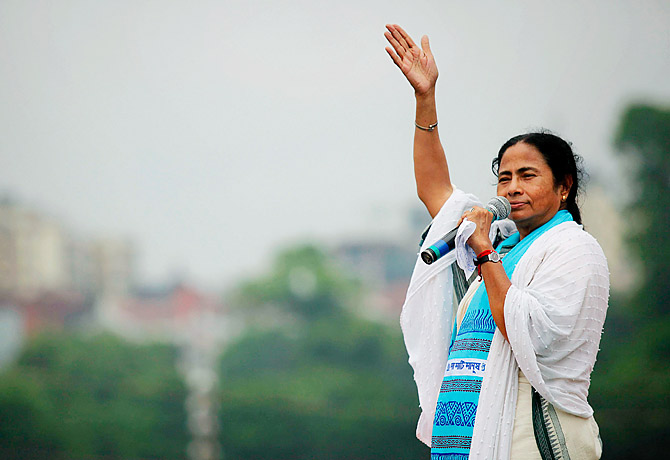
The spotlight has also turned toward the leadership dynamic within the party. While Chief Minister Mamata Banerjee remains the undisputed face of the TMC, some leaders have reportedly expressed concerns over organizational decision-making and the growing influence of younger leaders within the party structure. Political analysts see this as part of a broader debate between experienced party veterans and a newer generation of leadership.
Sensing the political challenge, Mamata Banerjee has returned to a strategy that has defined much of her political career—mass mobilization. The veteran leader has announced protests over alleged attacks on party workers and has indicated her willingness to take the agitation beyond West Bengal if necessary. Supporters believe her reputation as a grassroots campaigner and street fighter could once again help rally the party cadre.

Many analysts draw parallels with the movements in Singur and Nandigram that helped propel Mamata Banerjee to power after decades of Left Front rule. However, they caution that the current political environment is markedly different. The challenges now stem not only from political rivals but also from managing internal expectations and maintaining organizational cohesion.
The controversy surrounding the opposition leadership issue has also attracted legal and administrative attention, with investigations reportedly underway into allegations linked to documentation and signatures. The matter has become a focal point of political confrontation, with rival parties using it to question the TMC’s internal functioning.
Political observers believe the coming months will be crucial for the party. If the leadership succeeds in addressing grievances and restoring confidence among legislators and grassroots workers, the TMC could emerge stronger from the crisis. On the other hand, any significant split or prolonged internal conflict could alter the political landscape of West Bengal.
The developments are being closely watched by rival parties, particularly the BJP, which stands to gain from any weakening of its principal political opponent in the state. At the same time, opposition parties such as the Congress and the Left are also monitoring the situation for potential opportunities to expand their influence.
Despite the speculation, the TMC continues to remain a major political force in West Bengal, backed by a strong organizational network and the enduring popularity of Mamata Banerjee among large sections of voters. Whether the current signs of discontent evolve into a larger challenge or are successfully contained by the party leadership will likely shape the future of West Bengal politics in the years ahead.




 ---------------------------------------------------------------------------------------------------