New Delhi: Air Chief Marshal Ashutosh Dixit has outlined an ambitious roadmap for the Indian Air Force (IAF), placing operational preparedness, indigenous defence capabilities, technological innovation and joint military operations at the centre of his priorities as he assumed charge as the country’s 29th Chief of the Air Staff on Sunday.
Dixit said the IAF would remain vigilant, continuously modernise its capabilities and maintain the readiness required to respond to any national security challenge. He identified restoring the force’s combat strength towards its authorised level as one of his immediate priorities.
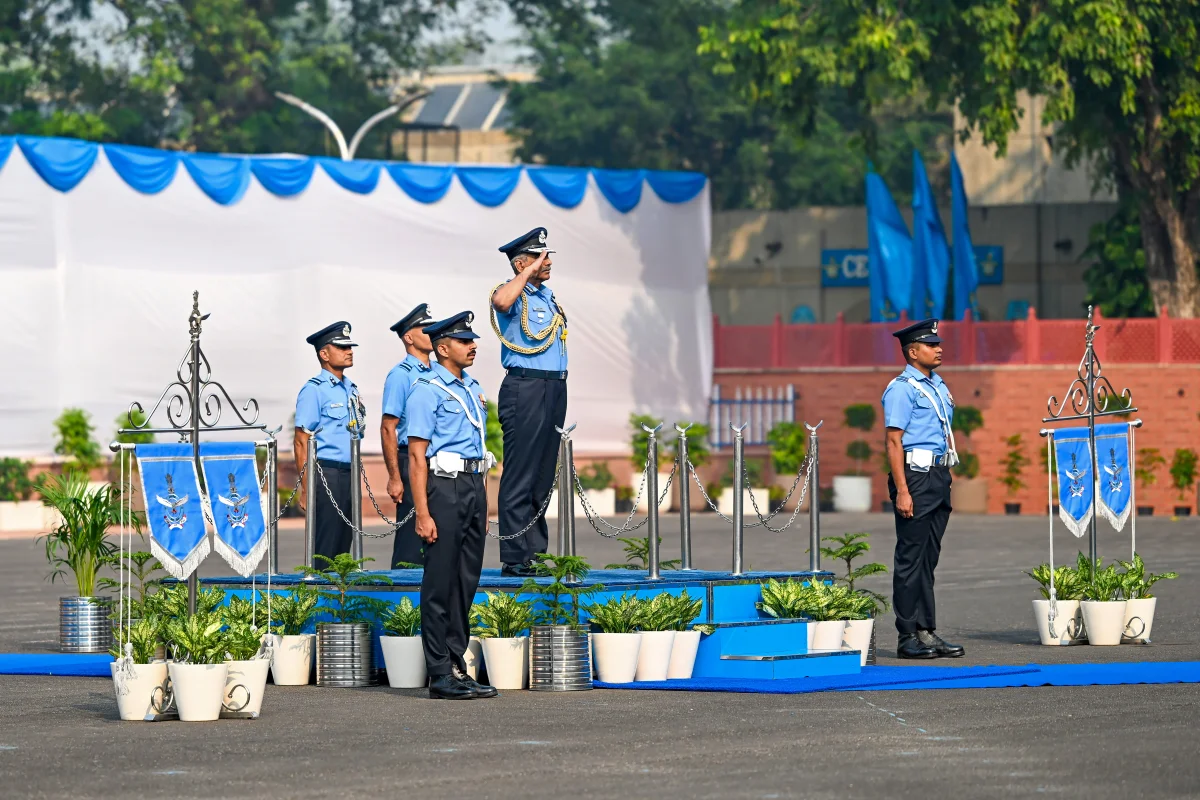
The new Air Chief was accorded a ceremonial Guard of Honour at the Parade Ground of an Air Force Station. Earlier, he paid tribute at the National War Memorial to soldiers who laid down their lives in service to the nation.
Expressing gratitude for his appointment, Dixit thanked the President, the Prime Minister and the Defence Minister for entrusting him with the responsibility. He succeeded Air Chief Marshal A.P. Singh, who retired on Saturday after 42 years of service.
Acknowledging his predecessor’s contribution, Dixit referred to the Indian Air Force’s performance during Operation Sindoor, saying the operation demonstrated the effectiveness of precise and decisive air power. He also credited Singh with handing over an operationally prepared force.
‘VAYU’ Framework to Guide IAF’s Transformation
Explaining his vision, Dixit introduced the acronym ‘VAYU’, representing four interconnected priorities that will guide the Air Force’s operational and organisational development.
The first component, ‘V’, stands for Vigilance, Victory and Readiness. He stressed that every squadron, radar installation, air defence unit and Air Warrior must be prepared to respond at short notice. Strengthening the IAF’s combat fleet towards its sanctioned strength will receive particular attention.
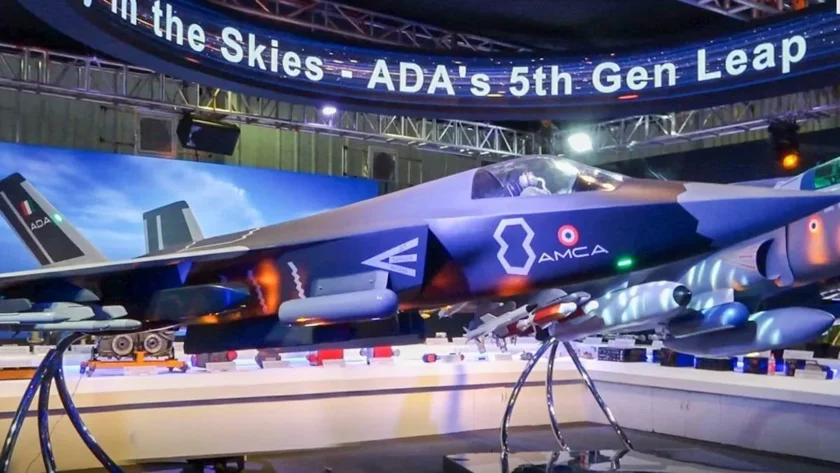
The second component, ‘A’, represents Aatmanirbharta (Self-Reliance). The Air Chief emphasised reducing dependence on foreign defence systems by expanding domestic manufacturing and technological capabilities. Indigenous programmes, including the Tejas Mk1A and Mk II fighter aircraft, Advanced Medium Combat Aircraft (AMCA), Indian-made sensors and weapons systems, will remain key priorities.
He said the objective was to equip the Air Force with indigenous solutions in sufficient numbers to meet operational and maintenance requirements. He added that credible air power was essential not only to win conflicts but also to deter potential adversaries.
The third priority, ‘Y’, stands for Yukti (Innovation and Ingenuity). Dixit highlighted the growing importance of artificial intelligence, advanced command-and-control systems and emerging technologies in modern warfare.


Network-enabled operations, AI-assisted decision-making, layered counter-drone defence, faster maintenance systems, force protection and resilience will be among the areas receiving sustained attention. He also identified space and near-space capabilities as important emerging operational domains.
The final component, ‘U’, represents Unity of Effort. Emphasising closer coordination among the Army, Navy and national security agencies, Dixit said integrated planning and joint operations would be essential to maximising the effectiveness of India’s military capabilities.
He linked this approach to the broader vision of JAI — Jointness, Aatmanirbharta and Innovation — and stressed that air power must be integrated into military planning from the outset.
Emerging Technologies Reshaping Modern Warfare
Highlighting the changing nature of security challenges, the Air Chief said warfare was increasingly being influenced by drones, long-range precision weapons, artificial intelligence, cyber operations, space-based systems and electromagnetic capabilities.
He noted that the IAF must adapt to these developments while building the capabilities India would require over the coming decade. Maintaining operational superiority and ensuring the ability to respond effectively to emerging threats would remain central to its transformation.
Welfare of Air Warriors a Key Priority
Dixit also underlined that the welfare and professional development of personnel would receive personal attention. Training, professional excellence, workplace safety and dignity will remain priorities for serving Air Warriors, Agniveervayu personnel, civilian employees, veterans, Veer Naris and their families.
Concluding his address, the new Air Chief assured citizens that the Indian Air Force would remain prepared, determined and committed to safeguarding the country’s security.
He said the force would continue strengthening its capabilities and transforming itself to meet future challenges while remaining ready to serve the nation whenever called upon.








 https://www.youtube.com/watch?si=RtToJsBhYBatUrym&v=mOuYNSdhjHA&feature=youtu.be