Mumbai: Long before Halloween became a mainstream celebration in India, the Ramsay Brothers had introduced audiences to a fascinating world of ghosts, witches, vampires and terrifying supernatural creatures. From Saamri in Purana Mandir to the haunting witch of Veerana, their films created a distinct horror universe that continues to enjoy a cult following even decades later.
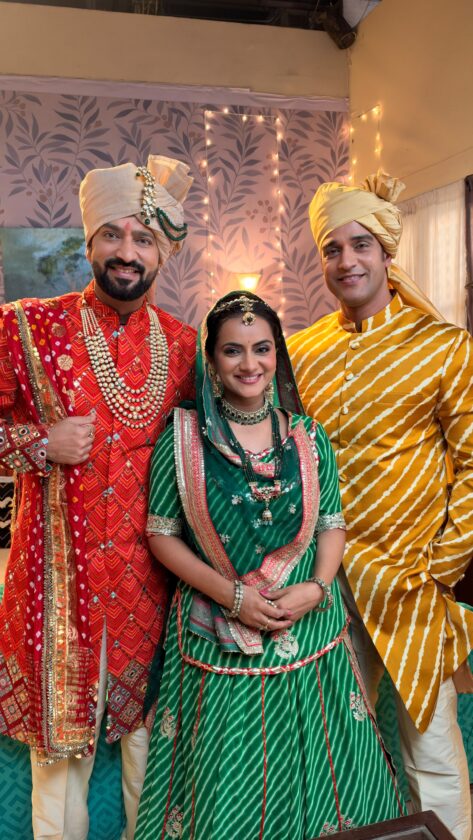
As the daughter of filmmaker Shyam Ramsay, Namrata Ramsay has witnessed the legacy of this iconic horror filmmaking family from close quarters. Reflecting on what makes their films timeless, she believes their appeal went far beyond frightening audiences. “What makes the Ramsay films timeless is that they were never just about horror; they were about creating an experience, a beautiful blend of horror and drama. The nostalgia that these films create even today is unprecedented. They had something that cannot be manufactured with technology — a certain innocence, imagination and conviction in storytelling,” she says.
Talking about the Ramsay Brothers’ contribution to India’s spooky culture, Namrata points out that their films gave audiences their own version of Halloween on the big screen. “They introduced Indian audiences to a whole world of spooky characters. From Saamri in Purana Mandir to the witch of Veerana, vampires, ghosts and terrifying creatures in films like Purani Haveli and Bandh Darwaza. They made the supernatural exciting, entertaining and, of course, terrifying.”
According to her, one of the biggest strengths of the Ramsay Brothers was their distinctive cinematic identity. “You could recognise a Ramsay horror film within minutes, and that kind of identity is very rare. They never needed stars or celebrities. In their movies, their demons and ghosts were their heroes.”
Among their memorable films, Namrata has a particular fondness for Purana Mandir. “It had everything that audiences associate with Ramsay horror — a fascinating supernatural storyline, an iconic creature like Saamri, an eerie setting, suspense, romance and drama. What I love about the film is that it wasn’t just about frightening people. It created an entire world around its horror, with its own mythology and characters. Even today, decades later, people remember Saamri and the film’s imagery,” she says.
She also recalls how her father always believed that audiences wanted more than just scares. This explains why Ramsay films seamlessly blended horror with suspense, romance, family drama, revenge and humour. “The humour gave audiences a breather between frightening sequences, making the horror more effective when it returned. There was something for everyone.”
Comparing filmmaking then and now, Namrata feels that limited technology often pushed filmmakers to rely more on creativity and imagination. “There was no CGI or sophisticated technology available to create monsters or supernatural sequences. Everything had to be physically created, from prosthetics and make-up to creatures, sets, lighting and special effects. Today, technology allows filmmakers to create almost anything on screen, which is fantastic. But sometimes, when you have limited resources, you are forced to be more imaginative.”

She firmly believes that the Ramsay Brothers were ahead of their time and were instrumental in making horror a commercially viable genre in Hindi cinema. At a time when mainstream films were largely dominated by romance, family dramas and action, they took the risk of building stories around ghosts and supernatural elements. More importantly, they created an Indian horror genre rather than simply borrowing from Western horror.”
Would the Ramsay Brothers explore contemporary fears if they were making films today? Namrata believes they certainly would. “With the world becoming increasingly dependent on technology, AI, surveillance and the digital space, there is a whole new universe of horror to explore. But I also think they would continue to draw from Indian folklore, ancient curses, black magic and unexplained supernatural phenomena. I believe the Ramsays will always stay true to their essence.”
While she acknowledges that the family has received recognition for its contribution to Indian horror cinema, Namrata has one special wish: for younger audiences to discover their films. “As Shyam Ramsay’s daughter, it gives me immense joy that wherever I go, people still remember my father and his work. What I would really love is for the younger Gen Z audience to discover their films and understand their contribution. That, for me, is the true way of carrying their legacy forward.”
For Namrata, the Ramsay legacy is not merely about nostalgia or cult horror characters. It is about a filmmaking spirit driven by passion, imagination and the courage to experiment. And perhaps that is why, even in an age of advanced visual effects, the fear created by a Ramsay film continues to linger.
Namrata has acted in shows like Thodi Si Zameen Thoda Sa Aasman (with Smriti Irani), Bani – Ishq Da Kalma , Parvarrish ,Jugni Chali Jalandhar and Jersey Number 10 and as a writer she has written Diya Aur Baati Hum, Ae Mere Humsafar and Mitegi Lakshman Rekha (Shashi-Sumeet Productions). Also part of the scripting and development team at BBC Studios India. Currently her horror series Hostel Hadsa is on air for ZEE5.








 https://www.youtube.com/watch?si=RtToJsBhYBatUrym&v=mOuYNSdhjHA&feature=youtu.be