Authors discuss blast fishing, shared histories, vanishing wildlife and why people must see themselves as part of nature
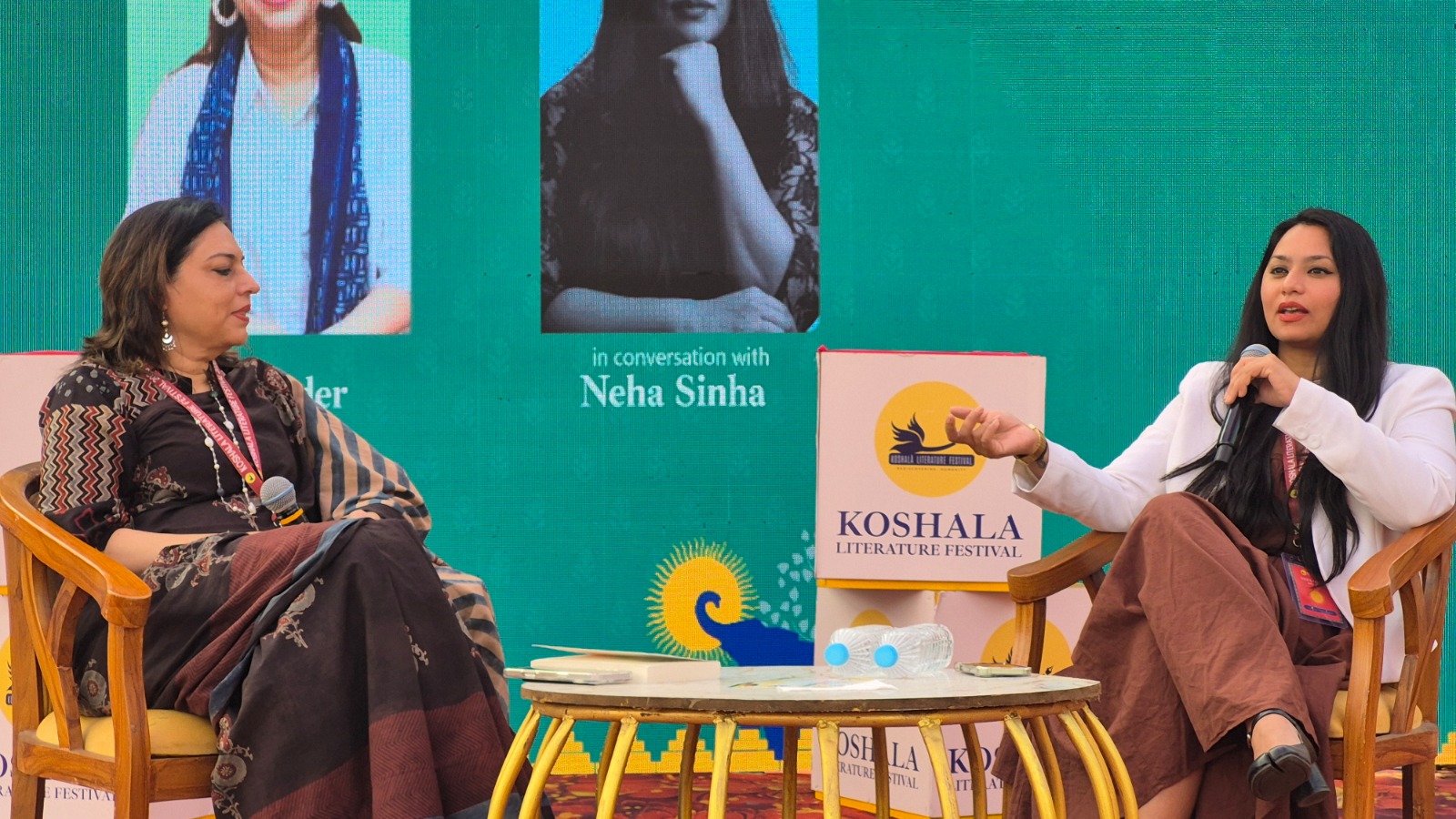
Lucknow: A session titled “The Web of Life” brought together author Rupinder Brar and Neha Sinha for a wide-ranging conversation that moved from the coast of Tanzania to the rooftops of Delhi.
Brar began by recalling her childhood in Dar es Salaam, memories that stayed with her for decades and shaped her wish to connect her first book with Tanzania. The idea for her novel Missing took form when she read a news report about fishermen injured in a blast-fishing incident. Curious, she started researching the practice and felt it deserved far wider attention.
Blast fishing, she explained, uses explosives to catch fish. The blasts kill not just the targeted fish but also juveniles and other marine organisms, and they destroy coral reefs, which take years to form and shelter many species. The problem, she stressed, is not confined to one region, and she believes fiction can carry serious environmental issues to readers who might never pick up a technical report.
The conversation also turned to what India and Tanzania share. Brar pointed to their colonial past, long-standing cultural links and the Indian communities, especially Gujarati families, settled in East Africa. She spoke of traditional trade and merchant scripts such as Lunda or Mahajani, used by Indian traders and later taken up in parts of East Africa, along with shared food traditions and community ties.
On conservation closer to home, Sinha recalled that Delhi once had many more fireflies, vultures and house sparrows. Fireflies were a familiar sight in the monsoon and vultures could often be seen resting on rooftops, but both have become far less visible. She also voiced concern that people are losing touch with seasonal food and local fruit. With almost every fruit now available all year round, she said, the link with the seasons and traditional food practices has weakened.
The speakers urged adults to take children to parks, forests and national parks. Learning to recognise native plants, flowers and medicinal herbs, they said, is a simple way to build awareness of India’s biodiversity. They also encouraged people to grow native plants at home, since these support butterflies, birds and other wildlife. A growing taste for imported and ornamental plants, shaped partly by marketing and social perception, is slowly crowding out native vegetation, they noted.
Women’s place in society was another thread. Brar said women have contributed enormously throughout history, yet their efforts are often underrepresented in the record. Her novel features women from different social and economic backgrounds, showing their resilience, their struggles and their willingness to stand up for what is right. Drawing on her years in government service, she spoke of the patronising attitudes women often meet at work and stressed equality, dignity and shared responsibility.
Closing the session, both speakers called on people to speak up against practices that harm nature and society. Brar said humans must recognise that they are part of nature, not apart from it. Sinha described paying attention to the world around us as both affection and responsibility, and encouraged people to look up from their screens, notice the trees and birds around them, and act to protect wildlife and heritage.











 https://www.youtube.com/watch?si=RtToJsBhYBatUrym&v=mOuYNSdhjHA&feature=youtu.be