Simran Tulsi
drswalia@gmail.com
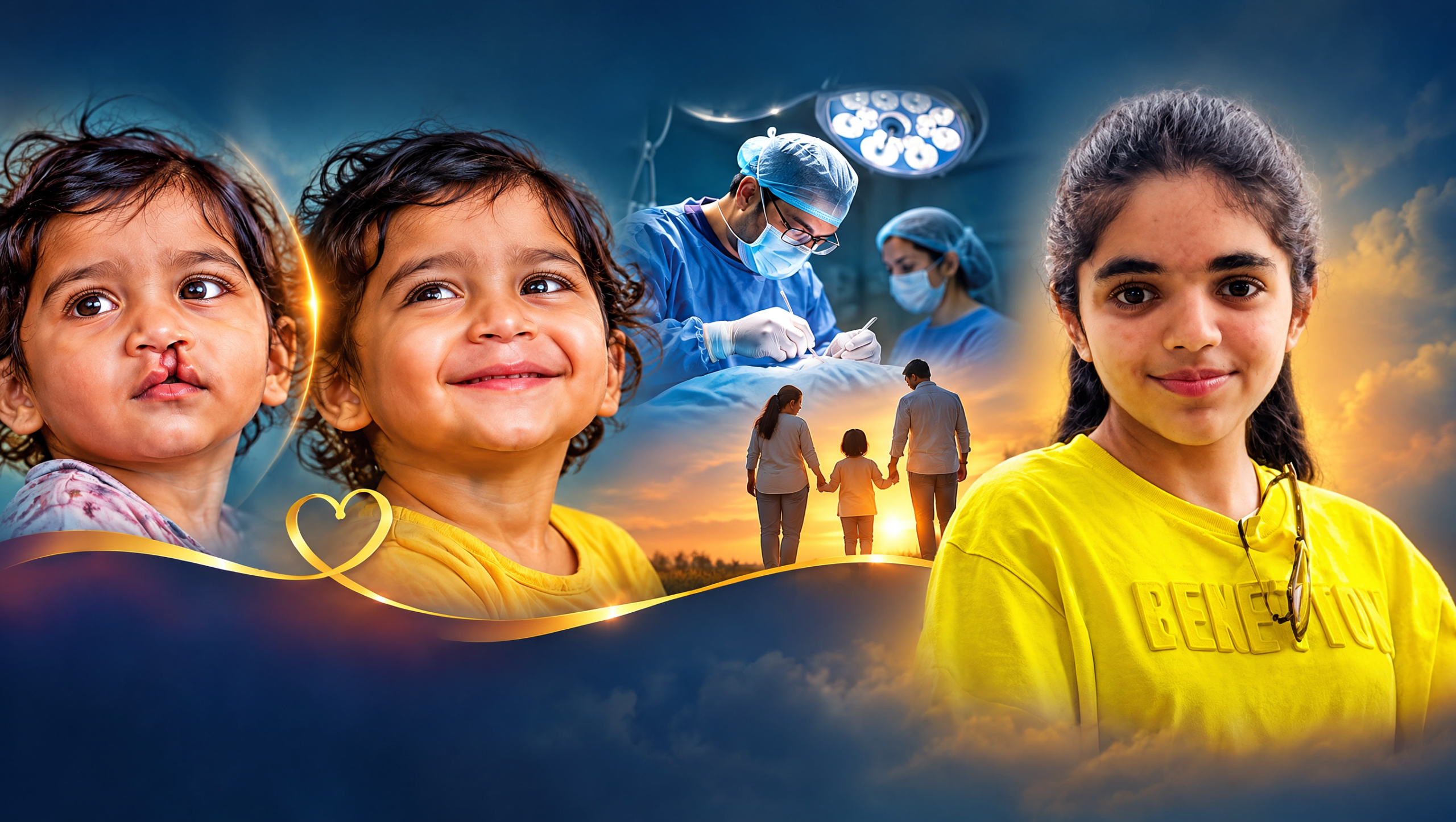
Lucknow: When most people hear about cleft lip and palate, they think of the visible condition and the surgeries that repair it. What they rarely see is what these children and their families go through emotionally.
A child born with a cleft may need several procedures while growing up. Along with the treatment, many also deal with teasing, shaky self-confidence, difficulty speaking clearly, and worry about what others think of them. Parents carry their own burden of fear, guilt, and uncertainty about what the future holds for their child.
Medicine has come a long way. Reconstructive surgery, speech therapy, and team-based care have changed many lives. But a successful operation is not the same as healing. Children also need encouragement, emotional support, and acceptance from the people around them to grow into confident, resilient individuals.
Schools and communities have a big part to play here. Teachers can encourage kindness and help students understand that people look different. Classmates can choose friendship over judgment. Even small acts of empathy can make a real difference to how a child feels about themselves.
Mental health professionals matter just as much, for the children and for their parents. Counselling can help families handle stress, build strength, and find healthy ways to deal with the social and emotional challenges that come up during treatment.


As young people, each of us can help build a kinder society. Instead of judging by appearance, we can notice what each child is good at and who they are. Every child deserves to feel accepted, respected, and sure of themselves.
Healing may begin in the operating room, but it continues through understanding, kindness, and human connection. If we spread awareness and break down stigma, every child with a cleft can grow up knowing they are valued, not for how they look, but for who they are.
My Personal Connection
My father is an oral and maxillofacial surgeon, and while growing up I sometimes went with him to hospitals where children with cleft lip and palate were treated. At first, I was simply fascinated by the surgery. Over time, though, I started noticing something else: how much the children and their families were going through emotionally.
Many parents seemed anxious about their child’s future, appearance, speech, and place in society. Some children hesitated to talk or play with others. Others had lost confidence because of repeated procedures and the way people treated them. Seeing this taught me that healing goes beyond surgery. It also needs emotional support, resilience, and care.
That realisation made me want to learn more, so I got involved in community work and volunteered with cleft care initiatives. These experiences deepened my interest in child development, emotional well-being, and the psychological needs of children living with long-term medical conditions. They are the reason I want to study psychology: to support children and families through the emotional side of healthcare.












 https://www.youtube.com/watch?si=RtToJsBhYBatUrym&v=mOuYNSdhjHA&feature=youtu.be