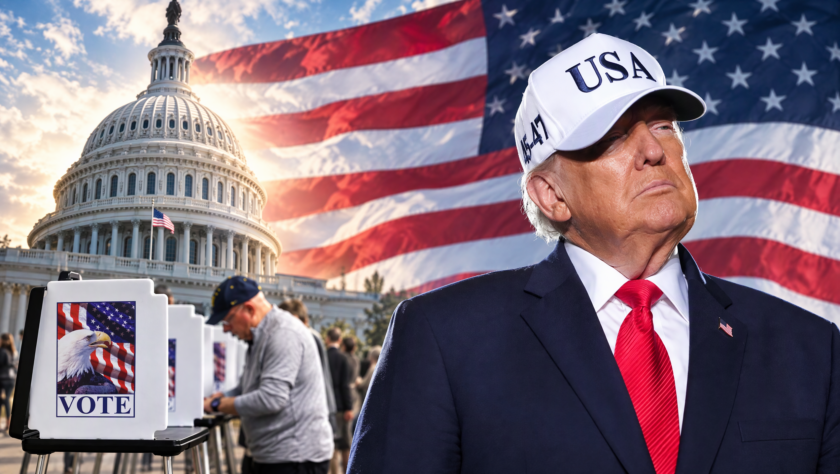
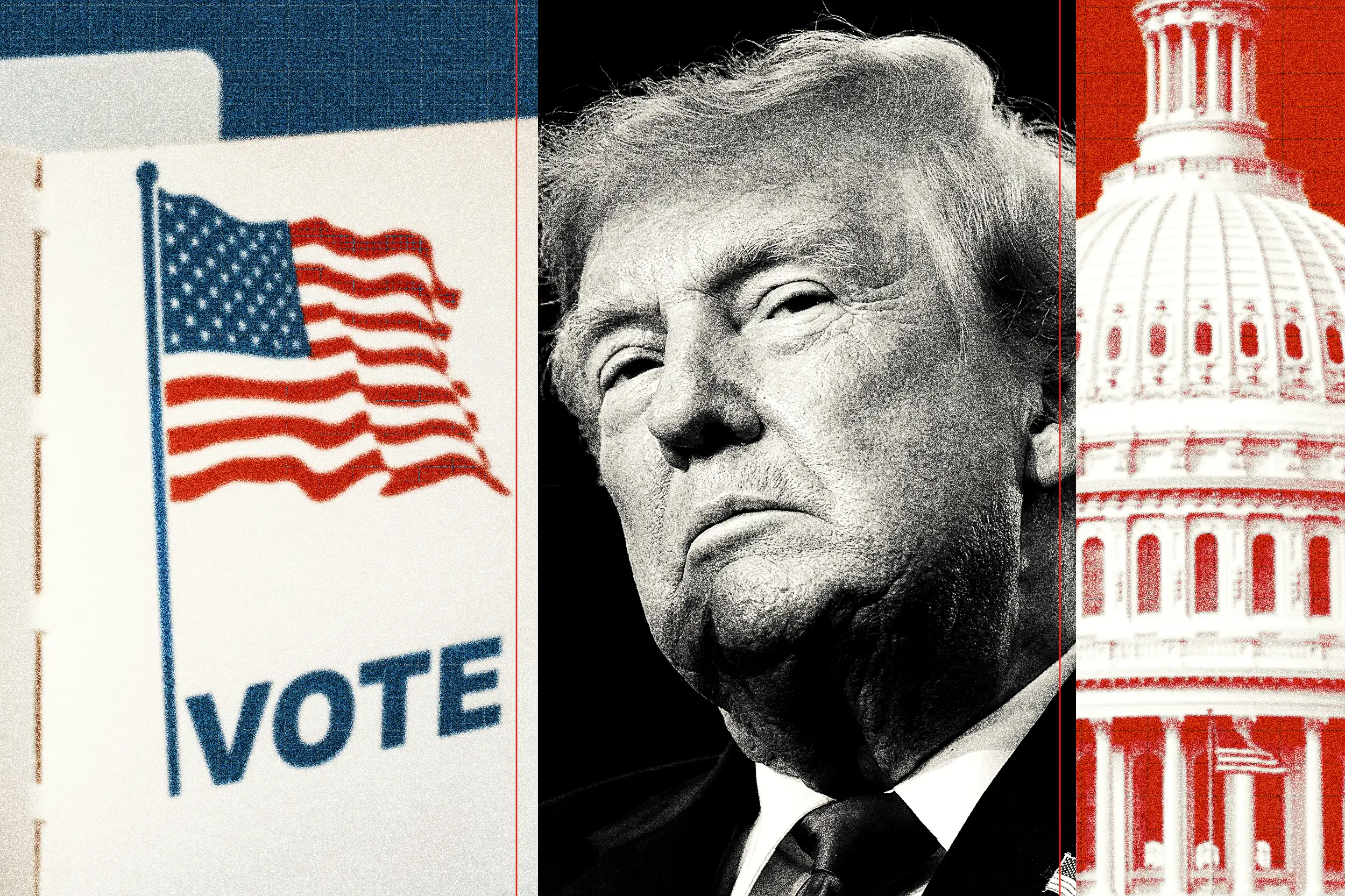
New Delhi: The reported defeat of US President Donald Trump and the Republican Party in the November 3 midterm elections marks a significant political setback, with potential consequences for American democracy, international diplomacy and the global economic order. For India, the development could bring fresh opportunities as well as diplomatic challenges.
According to the analysis, the Democratic Party has secured control of both the House of Representatives and the Senate, reflecting growing voter dissatisfaction with inflation, economic uncertainty, the conflict with Iran and the Trump administration’s controversial policies.
Although the electoral setback does not threaten Trump’s presidency, which continues until January 2029, a Democratic-controlled Congress could place substantial restrictions on his legislative agenda. Budget approvals, government appointments and major policy decisions are likely to face increased scrutiny.
Domestic and Global Political Consequences
The results underline the importance American voters attach to employment, rising living costs and economic stability rather than nationalist political messaging alone. Trump’s tariff policies have also raised concerns over their impact on American consumers and industries, while the conflict with Iran has added to energy market uncertainties.
The Democratic majority could initiate investigations into the administration’s functioning and seek greater oversight of government expenditure, potentially increasing friction between Congress and the White House. The political groundwork for the 2028 presidential election is also likely to intensify.
Internationally, the outcome could influence America’s relationships with NATO allies, European countries, Russia, China and nations in West Asia. A politically weakened president may face greater congressional scrutiny over foreign policy, although presidential executive powers will remain intact. There is also concern that domestic political difficulties could encourage a more aggressive international posture.
India Faces Opportunities and Diplomatic Challenges

For India, the electoral outcome is particularly significant given recent differences over Trump’s protectionist trade policies, higher tariffs on Indian goods, pressure concerning Russian oil purchases and tighter H-1B visa regulations.
A stronger Democratic presence in Congress could create opportunities for India to seek greater flexibility in trade negotiations. Increased legislative scrutiny of immigration policies may also benefit Indian technology professionals and companies. However, immediate changes to these policies cannot be guaranteed.
Strategic cooperation between India and the US in defence, space, nuclear energy and advanced technologies is expected to remain important. Both countries also share concerns over China’s growing strategic influence.
At the same time, Democratic lawmakers may adopt a more critical approach towards issues concerning human rights, religious freedom and democratic institutions in India, requiring New Delhi to carefully manage these diplomatic differences.
The analysis concludes that Trump’s electoral setback does not necessarily signal an immediate transformation in American foreign policy. Rather, it represents a democratic check on the administration’s political direction.
For India, the larger lesson is to avoid building its foreign policy around any single American president. While strengthening its strategic partnership with Washington, New Delhi must maintain balanced relations with Russia, Europe, Japan and other major global powers.
Ultimately, national interests remain more enduring than political personalities or temporary diplomatic alignments.








 https://www.youtube.com/watch?si=RtToJsBhYBatUrym&v=mOuYNSdhjHA&feature=youtu.be