
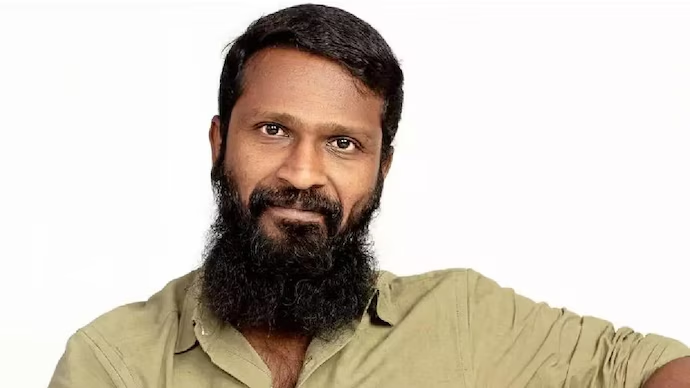
Mumbai: Bringing together filmmakers, storytellers, and creative voices for conversations on the ideas and processes shaping their work, IFP Season 16’s Day 1 featured National Award-winning Tamil filmmaker Vetrimaaran in a scintillating session titled ‘Making of a Modern Auteur’, hosted by Raunaq Mangottil. From revealing how Arasan and Rajan Vagaiyara are expanding the Vada Chennai universe to reflecting on the creative choices behind films like Polladhavan and the questions raised by Bad Girl, Vetrimaaran offered insights into his approach to storytelling and the choices filmmakers make to stay true to their vision.
On shooting Arasan and Rajan Vagaiyara simultaneously, both featuring characters from Vada Chennai, Vetrimaaran shared, “It feels like I’m shooting parts of the same film, same narrative, same story.” He added, “Both these films have characters from Vada Chennai in them, and we have a setup, or we are setting space for the second part in this also.”
Calling Vada Chennai his “biggest investment”, he explained why the story continues to hold the audience’s interest, highlighting, “I started writing Vada Chennai in 2003. And every film which is not Vada Chennai has been inspired by or taken from what I wrote in 2003 for Vada Chennai. So that’s my biggest investment, I should say.” He further noted, “Even after 8 years, people want to see something about it mainly because I feel that the film is not complete yet. The story is not complete yet. That’s why people want to see it, and I’m very happy that people still want to know something about the story. I’m sure the investment is going to pay off big time, because, for me, this is like our answer to Avengers. Our own cinematic universe.”
The conversation also turned to Bad Girl, which Vetrimaaran produced, and the fine line filmmakers must navigate between creative expression and mainstream acceptability. Reflecting on the wider climate around filmmaking, he said, “Today, more than anything else, you need to make something censor-friendly and censor-acceptable. That’s the biggest challenge for people like us.” He recalled that the film was initially not approved by the censors before going to a revising committee, which felt there was no reason to stop its release. “Today, everybody is apprehensive. Everybody is unsure of what the other person is going to feel. And because of that, everybody is always cautious.”
Reflecting on Polladhavan, Vetrimaaran explained how the story evolved around Dhanush’s screen persona, rather than following a fixed blueprint. “When I wanted Dhanush to do that role, it was originally about a gangster and a common man’s fight. But when Dhanush came into the picture, I thought, ‘Okay, he’s a youngster, a young actor, his screen persona would not allow him to fight a gangster and win. It doesn’t feel plausible even for me. And then I said, ‘Okay, let the gangster not fight, let the younger brother of the gangster fight.”


On comparisons with Vittorio De Sica’s Bicycle Thieves, Vetrimaaran had a cheeky response. He laughingly quipped, “Comparing Polladhavan to Bicycle Thieves is a disgrace to Bicycle Thieves. Don’t do it. I always say this to everybody, and again, I’m saying it here also.”
On the state of mainstream cinema, Vetrimaaran observed, “Like governments, films are also what people ask for.” He also expressed hope in young filmmakers seeking to make their first or second films “without the conventional compromises” that earlier generations had to make.
From a 50-hour filmmaking challenge that began in 2011 to a multidisciplinary creative platform bringing creators from across the world together, IFP brings the 16th season with the same idea at its heart: make something, put it out into the world, and see where it takes you.













 https://www.youtube.com/watch?si=RtToJsBhYBatUrym&v=mOuYNSdhjHA&feature=youtu.be