Seoul: South Korea’s aviation industry experienced a significant setback in April, recording its steepest monthly decline in more than four years as rising operating costs and weakening travel demand put pressure on airlines across the country.
Official data released by government statistics authorities showed a sharp drop in aviation activity, underscoring the challenges facing carriers amid higher fuel prices and growing uncertainty in the global travel market.

Aviation Output Falls Sharply
According to the latest figures, South Korea’s aviation production index fell to 468.5 in April, marking a 13.5 percent decline from the previous month. The drop represents the largest month-on-month contraction since late 2021 and reflects the combined impact of increased operational expenses and softer consumer demand.
Industry analysts say airlines have been struggling to absorb higher fuel costs, forcing many carriers to pass additional expenses on to passengers through increased surcharges and ticket prices.
Passenger Travel Demand Weakens
The slowdown was also evident in passenger transportation services. Output related to air passenger transport declined by 14 percent compared with March, matching the sharpest monthly decrease seen in more than four years.
Higher travel costs appear to have discouraged many consumers from booking flights, particularly for international trips. Travel industry observers noted that some passengers have delayed or reconsidered travel plans as airfare prices climbed.
Fuel Costs Drive Up Ticket Prices
A key factor behind the industry’s downturn has been the rise in global fuel prices, influenced in part by continuing geopolitical tensions in the Middle East. The increase in aviation fuel costs has led airlines to raise fuel surcharges in an effort to offset growing operational expenses.
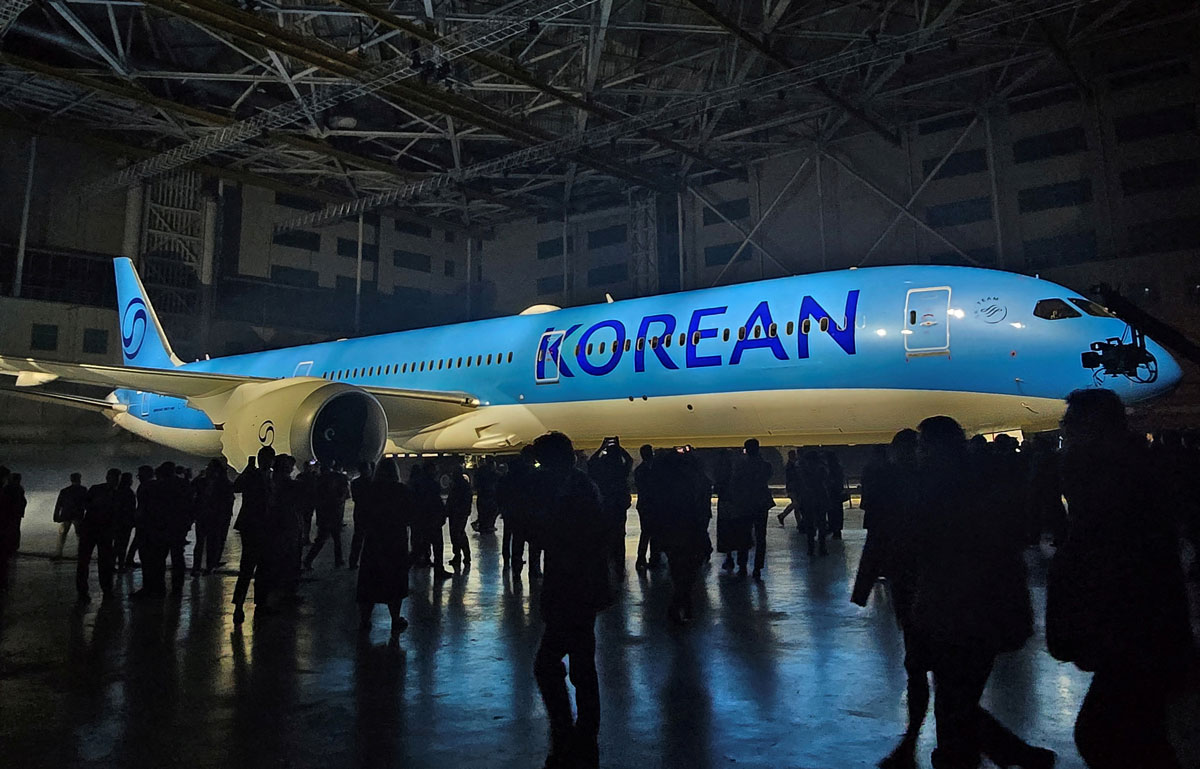
Among the carriers adjusting prices was Korean Air, the country’s largest full-service airline. The airline substantially increased fuel surcharges on international routes during April, with additional charges rising significantly compared to March levels.
The higher surcharges were linked to increases in jet fuel prices measured by the Mean of Platts Singapore (MOPS), a key benchmark for petroleum products across the Asia-Pacific region. Elevated fuel prices pushed airline surcharges into their highest pricing category during the period.

Airlines Introduce Cost-Cutting Measures
As costs continue to rise and passenger demand softens, several South Korean airlines have begun implementing measures aimed at preserving financial stability.
Low-cost carriers have reduced flight frequencies on selected international routes and introduced temporary cost-saving initiatives. Some airlines have also adopted workforce management measures, including voluntary unpaid leave programs, to navigate the challenging operating environment.
Jeju Air Scales Back International Flights
One of the most notable adjustments has come from Jeju Air, South Korea’s largest budget airline. The carrier has reduced nearly 200 round-trip international flights scheduled for May and June, accounting for approximately four percent of its total operations.
The cuts affect several popular regional routes connecting Incheon with destinations such as Bangkok, Singapore, Da Nang, and Phu Quoc. The airline has also temporarily suspended services to Vientiane for two months as part of its network adjustment strategy.
Outlook Remains Uncertain
Aviation experts believe the industry may continue facing headwinds if fuel prices remain elevated and international travel demand fails to recover in the coming months. Airlines are expected to closely monitor operating costs while adjusting schedules and capacity to match market conditions.
The performance of South Korea’s aviation sector will likely depend on future developments in global energy markets, regional geopolitical stability, and the pace at which consumer confidence in air travel returns.
For now, the latest figures highlight the growing pressure on airlines as they balance rising costs with the need to maintain passenger demand in an increasingly competitive market.