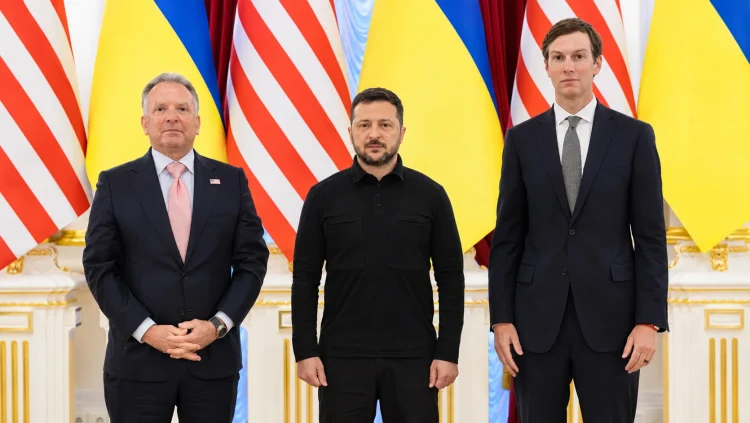
WASHINGTON – Three senior Democratic lawmakers have raised concerns about the part played by President Donald Trump’s special envoys, Jared Kushner and Steve Witkoff, in efforts to end the war between Russia and Ukraine. They warn that the reported negotiating approach could weaken Kyiv’s position, split Western allies and strain NATO’s security commitments in Europe.
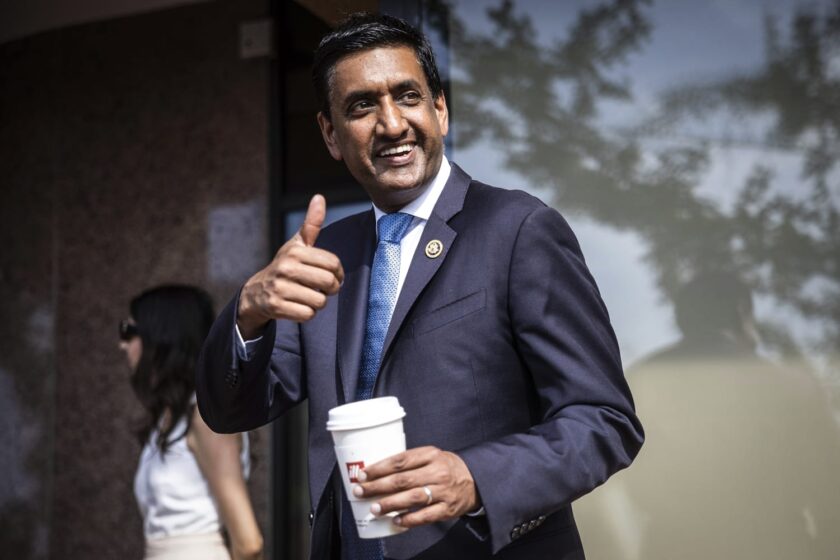
Representatives Gregory Meeks and Adam Smith, along with Senator Jack Reed, have urged Trump not to accept any deal that forces Ukraine to surrender territory or make concessions that strengthen Russia’s strategic position. Their worry is the long-term damage to European security and to the credibility of America’s commitment to its allies.
Pressure on Kyiv
The lawmakers pointed to reports that Kushner and Witkoff encouraged Ukraine to consider giving up sovereign territory, including areas vital to its defence. In their view, asking Kyiv for such concessions could leave the country more exposed to future Russian attacks.
They also flagged discussions about changing Europe’s wider security arrangements. Reports of possible cuts to Western troop deployments in Eastern Europe, they said, raise doubts about whether Washington could scale back its role in defending NATO’s eastern members. Meeks, Smith and Reed called such possibilities unacceptable, arguing that decisions on European security must not undermine NATO’s collective defence or US national interests.
Sovereignty and NATO
The criticism follows an earlier joint statement issued after consultations involving the United States, Ukraine, European countries and NATO. That statement said any settlement must respect Ukraine’s sovereignty, territorial integrity and right to decide its own future, and it reaffirmed NATO’s central place in Euro-Atlantic security. The Democrats argue those principles should guide further talks rather than be set aside in pursuit of a quick deal.
For Kyiv, territory remains an especially sensitive issue. Ukrainian officials have repeatedly said the country’s borders and political independence cannot be settled by outside powers.
Role of government agencies


The lawmakers also questioned whether the envoys are working with enough coordination with established institutions. They asked whether the intelligence community and the State Department are being properly consulted, arguing that talks involving Russia, Ukraine and NATO call for detailed security assessments and close cooperation among the agencies that run American foreign policy.
An approach that extracts concessions from Kyiv while easing pressure on Moscow, they warned, could weaken Washington’s bargaining position and fail to produce a lasting settlement if Russia faces no meaningful consequences.
Call for Trump to step in
The three have asked Trump to take personal charge of the negotiations and ensure the United States does not back an agreement that compromises Ukraine’s independence or weakens NATO. The intervention reflects wider divisions in Washington. Efforts to end the war have drawn support across party lines, but disagreement persists over the terms of a settlement and how much pressure to keep on Moscow.
Wider stakes
The debate reaches beyond the talks themselves. A deal that redraws borders or reduces Western military commitments could shape security calculations across Eastern Europe, and NATO members bordering Russia are especially concerned about credible deterrence. Any major shift in the US military presence or alliance commitments could leave the region’s future security framework uncertain.
For now, the lawmakers’ intervention adds pressure on the administration to spell out its negotiating priorities. The challenge, as they see it, is a settlement that ends the fighting while protecting Ukraine’s sovereignty and keeping America’s European allies confident.











 https://www.youtube.com/watch?si=RtToJsBhYBatUrym&v=mOuYNSdhjHA&feature=youtu.be