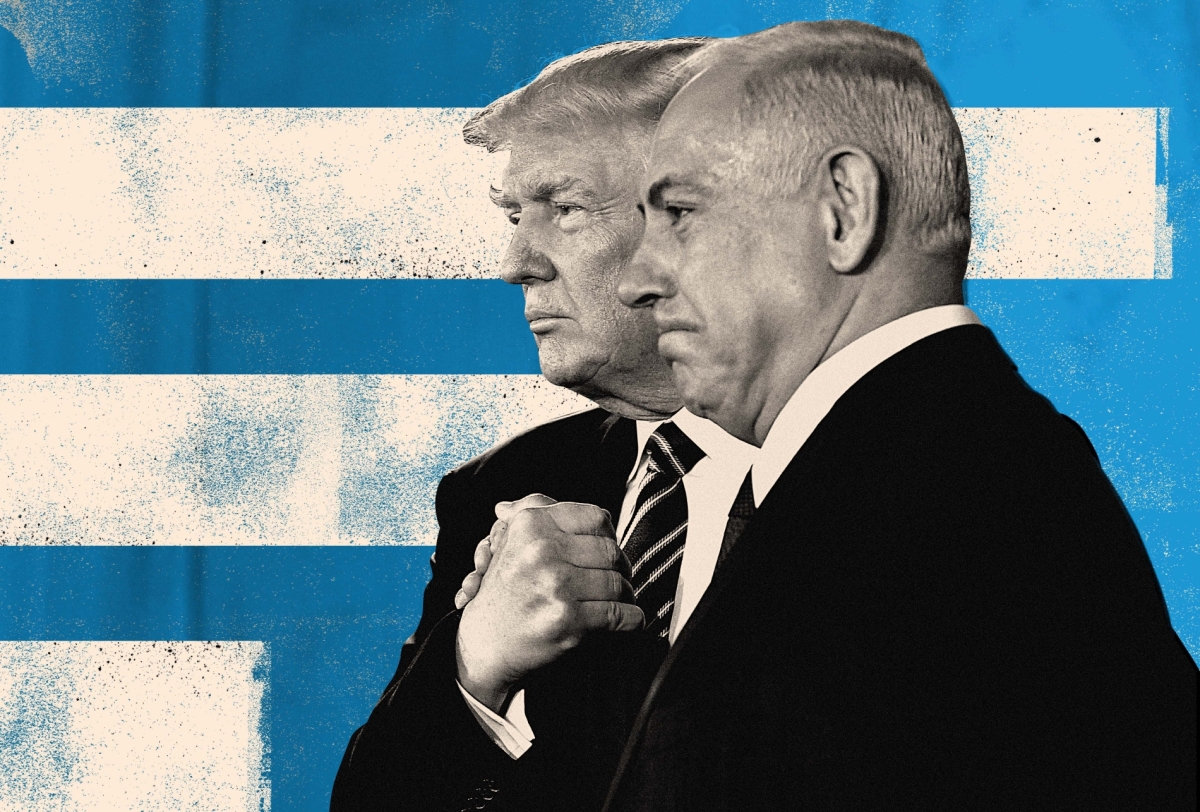
Tel Aviv: Benjamin Netanyahu has dismissed suggestions that Israel was caught off guard by recent diplomatic engagement between United States and Iran, emphasizing that communication between Washington and Tel Aviv remains continuous and closely coordinated.
Speaking on Wednesday, Netanyahu said he remains in regular contact with US President Donald Trump and noted that officials from both governments are engaged in near-daily discussions regarding developments surrounding Iran.
According to Netanyahu, Israel and the United States continue to share common strategic objectives, particularly concerning Iran’s nuclear programme. He stated that preventing Tehran from advancing its nuclear capabilities and restricting access to enriched nuclear material remain key priorities for both allies.
The Israeli prime minister also stressed that Israel is prepared for multiple possible scenarios and is closely monitoring regional developments linked to Iran.
Israeli officials have consistently voiced concerns about Iran’s missile programme and nuclear infrastructure, even as diplomatic talks continue. Analysts say some policymakers within Israel remain skeptical of any agreement that could allow Tehran to retain sensitive nuclear capabilities.
The issue has remained central to discussions between Washington and Israel for years, especially amid broader concerns over regional security and military balance in the Middle East.
Earlier in the day, President Trump delivered strong remarks on Iran during an appearance at the White House. He urged Tehran to move toward an agreement aimed at reducing tensions, warning that failure to do so could risk renewed military confrontation.
At the same time, Trump indicated that diplomatic discussions had shown signs of progress in recent days. He described recent contacts between American and Iranian representatives as constructive and suggested there remained a possibility for a negotiated breakthrough.

The US president reiterated Washington’s longstanding position that Iran must not be allowed to develop nuclear weapons under any circumstances.
When asked about reports claiming Tehran was unwilling to cooperate, Trump dismissed the suggestion and maintained that negotiations were continuing.
Trump also claimed that Iran’s military infrastructure had suffered significant damage during earlier confrontations, referring to losses involving missile systems, aircraft and naval assets. He further alleged that Iranian radar and air defense networks had been severely weakened.
According to Trump, rebuilding those military capabilities could take years if current hostilities were to subside. Despite those comments, he emphasized that diplomacy remains the preferred path forward if a workable agreement can be reached.
The latest statements from both Washington and Tel Aviv come amid heightened international attention on Iran’s nuclear activities and regional tensions. Governments across Europe and the Middle East are closely following the negotiations, aware that either a diplomatic breakthrough or a further escalation could have major consequences for regional stability and global energy markets.
Diplomatic efforts involving Iran are expected to continue in the coming days as international pressure grows for an agreement capable of reducing tensions while addressing concerns over Tehran’s nuclear ambitions.