New Delhi: A new study has raised concerns about the impact of ultra-processed foods on children’s brains, suggesting that even looking at pictures of junk food may trigger stronger brain responses in children who regularly consume such products.
The research, conducted by scientists at the University of Southern California and published in the medical journal JAMA Network Open in October 2026, suggests a possible link between high consumption of ultra-processed foods, increased brain responses to food images and changes in body weight.
The findings highlight concerns about children’s growing preference for packaged snacks, biscuits, chips and sugary drinks.
What Did the Study Find?
The study examined 46 children aged between 7 and 10 years, all of whom had a normal body weight at the beginning of the research.
Researchers used MRI scans to observe how their brains responded when they were shown images of foods such as French fries and cookies.
The findings showed that children who consumed higher amounts of ultra-processed foods had greater activity in the brain’s dorsal striatum when viewing food images.
The dorsal striatum is associated with the brain’s reward and motivation systems.
Researchers also observed that stronger responses to food images were associated with increases in body mass index (BMI) and body fat over the following year.
How Can Ultra-Processed Foods Affect Children’s Brains?
Ultra-processed foods often contain high amounts of refined sugar, salt, unhealthy fats and artificial flavourings.
Frequent consumption of these foods may influence the brain’s reward pathways and increase children’s attraction to highly palatable food.
This could make children more likely to crave packaged snacks and sugary products, even when they are not physically hungry.
However, the study examined associations and does not establish that ultra-processed foods directly cause changes in brain function or weight gain.
Possible Effects on Brain Development and Health
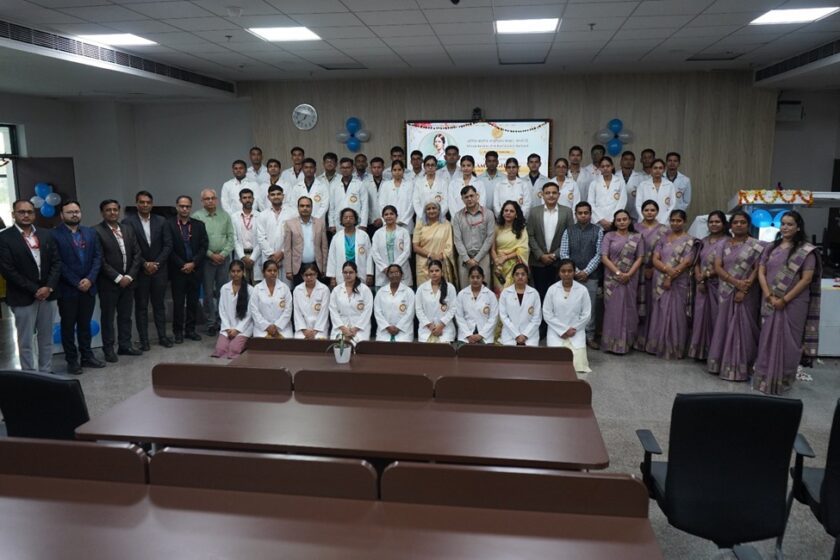
Dr DK Gupta, Chairman of Felix Hospital and a paediatrician, said excessive consumption of ultra-processed foods could affect several aspects of children’s health and cognitive development.


These include reasoning, critical thinking, problem-solving abilities, focus, attention, concentration, recognition and the brain’s reward system.
Children’s brains are still developing, making healthy eating habits particularly important during these years.
According to health experts, diets high in ultra-processed foods may also contribute to obesity and increase the risk of conditions such as type 2 diabetes, hypertension and fatty liver disease.
Long-term poor dietary habits are also associated with a higher risk of cardiovascular diseases and certain cancers.
Warning Signs Parents Should Watch For
Parents should monitor their children’s eating habits, physical activity and changes in body weight.
Some warning signs include:
- Frequent demands for chips, biscuits, cookies and packaged snacks.
- Reduced interest in home-cooked meals.
- Spending most of the day sitting or using digital devices.
- Reduced physical activity.
- Changes in weight and BMI.
- Difficulty maintaining healthy eating habits.
Parents should also be aware of possible symptoms of type 2 diabetes, including excessive thirst, frequent urination and persistent hunger. Children experiencing these symptoms should be assessed by a healthcare professional.
What Can Parents Do to Protect Their Children?
Dr Gupta recommends reducing children’s consumption of junk food and sugary beverages while encouraging healthier daily routines.
Parents can take several steps:
- Limit packaged snacks: Gradually reduce the consumption of chips, biscuits, cookies and other ultra-processed foods.
- Encourage home-cooked meals: Include fruits, vegetables, whole grains and nutritious foods in children’s daily diets.
- Reduce screen time: Limit excessive use of mobile phones, television and other digital devices.
- Promote physical activity: Encourage outdoor games, sports, walking and other age-appropriate activities.
- Monitor portion sizes: Pay attention to how much children eat and avoid excessive snacking between meals.
For children who consume junk food every day, parents can gradually reduce their intake and replace these products with healthier alternatives.
Why Healthy Eating Habits Matter
The study adds to growing research into the relationship between ultra-processed food consumption, children’s eating behaviour and brain activity.
Experts recommend that parents pay attention to children’s dietary patterns from an early age. Limiting highly processed snacks, encouraging physical activity and maintaining balanced meals can help support healthy growth and reduce the risk of obesity and related health problems.












 https://www.youtube.com/watch?si=RtToJsBhYBatUrym&v=mOuYNSdhjHA&feature=youtu.be