Experts from India and abroad to deliberate on advances in diagnosis, treatment and outcomes of pulmonary hypertension
Lucknow: The Department of Pulmonary and Critical Care Medicine at King George’s Medical University (KGMU), Lucknow, is set to organise PH Summit Lucknow 2026 – International Conference on Pulmonary Hypertension on August 8 and 9. The two-day conference will be held at the auditorium on the eighth floor of the KGMU Shatabdi Phase-II Hospital.
The summit, themed “Advancing Diagnosis, Therapeutics and Outcomes,” will bring together leading specialists from India and abroad to deliberate on recent developments in the diagnosis and management of pulmonary hypertension (PH), a condition in which blood pressure in the blood vessels of the lungs becomes abnormally high.

According to the organisers, one of the major challenges associated with pulmonary hypertension is delayed diagnosis. Symptoms such as breathlessness, fatigue, dizziness and chest discomfort can often resemble those of other heart and lung conditions, making early identification difficult. Experts at the summit will focus on improving awareness, early diagnosis, appropriate risk assessment and evidence-based treatment approaches.
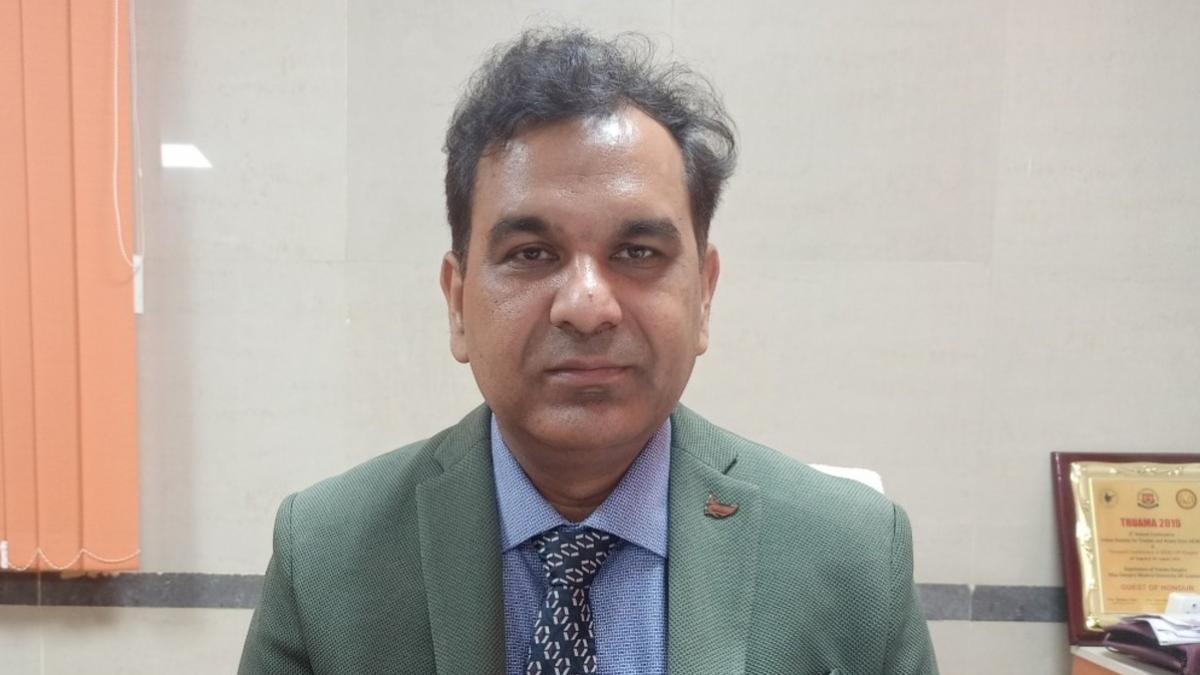
Prof. Ved Prakash, Head of the Department of Pulmonary and Critical Care Medicine at KGMU, said the objective of PH Summit 2026 is to ensure that new research and developments in the field of pulmonary hypertension reach clinical practice and ultimately benefit patients.
“Pulmonary hypertension is often diagnosed late. Breathlessness can be one of its first signs and should not be ignored, particularly when it occurs without an obvious explanation. Early identification can make timely management possible. The summit aims to bring the latest evidence and advances to clinicians so that they can provide better treatment to patients,” he said.
The organisers highlighted that around 70-80 per cent of patients with pulmonary arterial hypertension (PAH) are reportedly diagnosed only after reaching an advanced stage of the disease, corresponding to WHO functional class III or IV. The release also states that the average interval between the onset of symptoms and diagnosis can exceed two years, with breathlessness and fatigue among the symptoms frequently overlooked in the early stages.
Pulmonary hypertension can develop because of several underlying conditions. It may be associated with left-sided heart disease, chronic lung diseases and low oxygen levels, blood clots in the lungs, congenital heart disease, connective tissue disorders and certain other medical conditions. Some cases may be hereditary or idiopathic, meaning that no specific cause is identified.
The condition is broadly classified into five groups: pulmonary arterial hypertension (PAH); pulmonary hypertension associated with left-sided heart disease; pulmonary hypertension caused by lung diseases or hypoxia; chronic thromboembolic pulmonary hypertension (CTEPH); and pulmonary hypertension associated with unclear or multiple mechanisms.
The organisers said that the disease can present with symptoms including breathlessness, fatigue, chest pain, dizziness or fainting, swelling of the legs, feet or abdomen, weakness, cough and, in some cases, bluish discolouration of the lips or skin. Early medical evaluation is therefore important when such symptoms occur, particularly among people with known heart, lung or other risk factors.
Diagnosis generally involves a combination of medical history and physical examination, followed by investigations such as blood tests, electrocardiography, chest X-ray and echocardiography. Depending on the suspected cause, doctors may recommend pulmonary function tests, sleep studies, exercise testing, CT scans, cardiac MRI or ventilation/perfusion scans. Right-heart catheterisation may be required to confirm the diagnosis.

Treatment depends on the underlying cause and severity of the condition. Management can include lifestyle and dietary measures, oxygen therapy and medicines such as endothelin receptor antagonists, phosphodiesterase-5 inhibitors, prostacyclin-based therapies and soluble guanylate cyclase stimulators. Other medicines, including diuretics, anticoagulants and, in selected cases, calcium channel blockers, may also be used.
For patients with advanced disease, specialised procedures may be considered. These include pulmonary endarterectomy and balloon pulmonary angioplasty for selected cases of chronic thromboembolic pulmonary hypertension. In severe cases that do not respond adequately to medical treatment, lung transplantation or heart-lung transplantation may be considered.
The KGMU Department of Pulmonary and Critical Care Medicine is actively involved in the evaluation and management of patients with pulmonary hypertension, particularly those with chronic lung diseases, interstitial lung disease, pulmonary arterial hypertension and chronic thromboembolic pulmonary hypertension. The department undertakes systematic evaluation through pulmonary function testing, echocardiography, advanced imaging and other investigations, while collaborating with specialists in cardiology, rheumatology, radiodiagnosis and other disciplines.
The department also provides specialised care to critically ill patients experiencing pulmonary hypertension crises and right ventricular failure. The summit is expected to provide an opportunity for multidisciplinary specialists to exchange knowledge and discuss emerging approaches to improving patient outcomes.
The conference will feature international speakers including Dr Sandeep Sahay from the USA and Dr Syed Rehan Quaderi from Ireland. Several prominent Indian experts are also scheduled to participate, including Dr Digambar Behera, Dr Dhruv Chaudhary, Dr Shubhakar Kandi, Dr Julius Punnnen, Dr Prakash S, Dr Prashant Bobhate, Dr Alok Nath, Dr Satyaveer Yadav, Dr Vikas Agrawal, Dr Basha Jalal Khan, Dr Aditi Singhi, Dr Gaurav Chaudhary, Dr Zafar Niaz and Dr Apar Jindal, among others.
Uttar Pradesh Deputy Chief Minister Brajesh Pathak is scheduled to attend the inaugural ceremony as the chief guest.
The summit is expected to place particular emphasis on translating scientific developments into practical clinical care. With pulmonary hypertension often requiring coordinated management across multiple specialties, the conference will also provide a platform for pulmonologists, cardiologists, cardiothoracic surgeons, rheumatologists and other specialists to discuss integrated approaches to diagnosis and treatment.
The organisers said that the overarching objective of PH Summit Lucknow 2026 is to strengthen awareness of pulmonary hypertension, encourage earlier diagnosis, promote appropriate treatment strategies and ultimately improve outcomes for patients living with the condition.