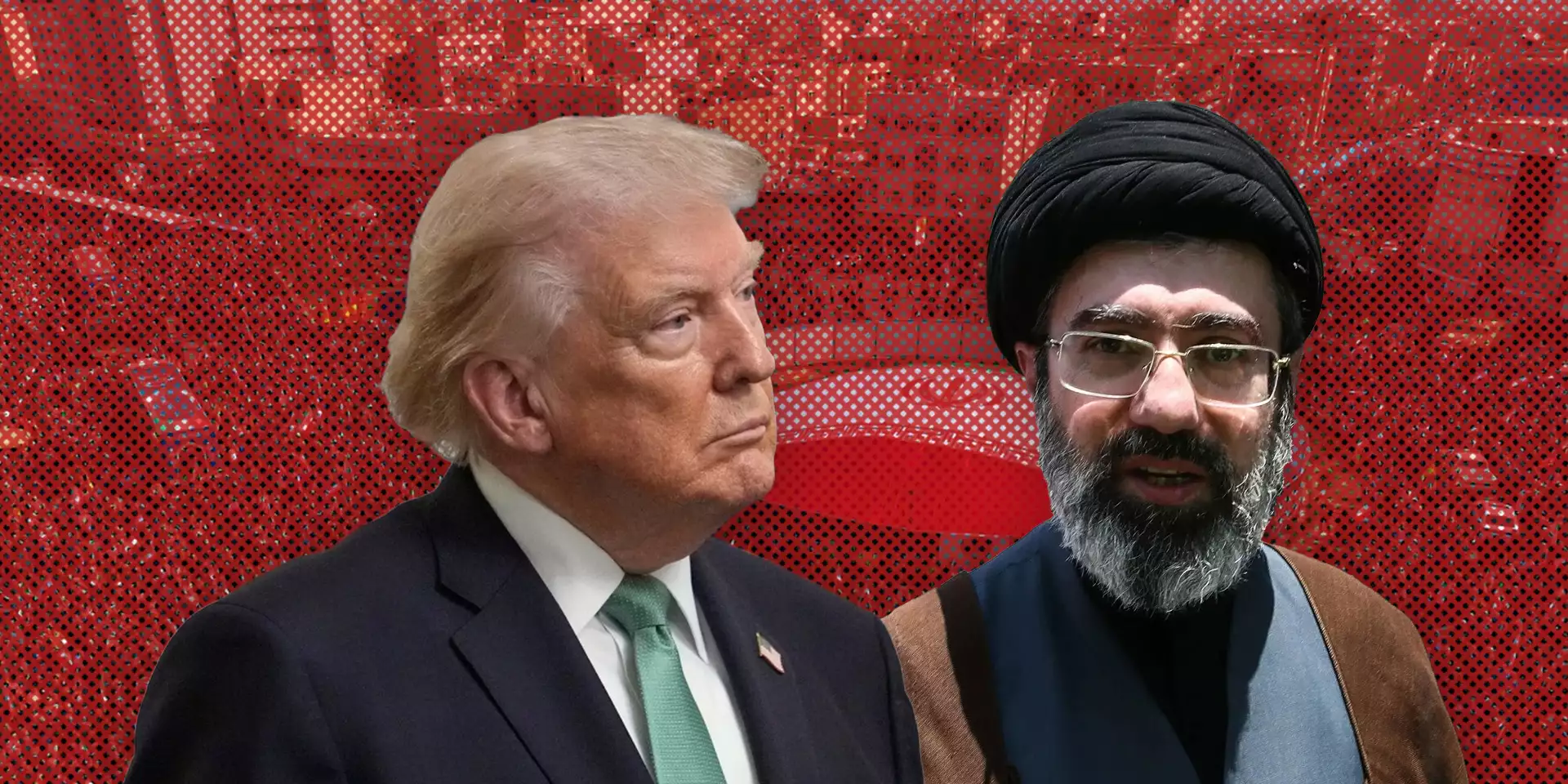
New Delhi: Renewed military exchanges between the United States and Iran have reignited concerns over regional stability, global energy security and the broader prospects for world peace. Fresh attacks targeting US military installations, followed by retaliatory American airstrikes, have heightened fears that a fragile period of calm could give way to a wider conflict with far-reaching international consequences.
The escalating tensions extend well beyond the two nations. The strategic Strait of Hormuz, through which nearly one-fifth of the world’s crude oil supply passes, remains at the centre of the crisis. Any prolonged disruption to this vital shipping route could trigger a surge in global oil prices, increase inflation, strain supply chains and place additional pressure on developing economies already grappling with economic uncertainty.
The humanitarian impact of the conflict is equally alarming. Civilians, merchant sailors and commercial shipping are among the most vulnerable, while strategic infrastructure linked to international trade also faces heightened risks. The situation underscores how regional conflicts can rapidly evolve into challenges affecting the global economy and international security.
Analysts argue that lasting solutions cannot be achieved through military force alone. While the United States has traditionally relied on sanctions and strategic pressure to advance its foreign policy objectives, critics contend that diplomacy, restraint and multilateral engagement are essential for sustainable peace. At the same time, Iran faces calls to ensure that international maritime routes remain secure and open in accordance with international law.

The crisis has also renewed debate over the role of global leadership and international institutions. Observers note that inconsistent diplomatic messaging and escalating military responses risk undermining confidence in global markets and international relations. Historical experience, from the World Wars to more recent conflicts in Iraq, Afghanistan, Libya and Syria, suggests that military confrontations rarely deliver enduring political solutions, with negotiations ultimately becoming the path to conflict resolution.
India, which maintains balanced relations with the United States, Iran and Gulf nations, is viewed by many as a country capable of supporting diplomatic efforts aimed at reducing tensions. With its longstanding emphasis on dialogue, peaceful coexistence and strategic neutrality, India could contribute constructively through multilateral forums while safeguarding its own energy security, maritime trade and the interests of Indian citizens overseas.
As global tensions persist, policymakers and international observers continue to stress that dialogue, cooperation and diplomacy remain the most effective tools for preventing further escalation and preserving long-term peace and stability.