Myanmar Political Shift Sparks Speculation Over Aung San Suu Kyi’s Future After Win Myint Release
Naypyidaw: The recent release of former Myanmar president Win Myint by the country’s military-backed administration has triggered renewed speculation about the fate of detained leader Aung San Suu Kyi, although analysts and citizens alike remain doubtful that the move signals any meaningful political transformation.

Cautious public response
In Yangon and other parts of Myanmar, reactions to the development have been largely restrained. Many residents view the pardon as symbolic rather than a genuine step toward reform. A local resident, speaking anonymously due to security concerns, said there was little cause for celebration, noting that Win Myint’s detention was widely seen as politically motivated from the beginning.
The cautious response reflects ongoing public fatigue following years of instability since the military takeover in 2021.
Background of political upheaval
Myanmar’s current crisis began with the 2021 military coup, which ousted the elected government led by Aung San Suu Kyi and her administration. Following the takeover, senior political figures, including Win Myint, were detained, triggering widespread protests and an extended period of internal conflict.
Although the recent pardon marks one of the more visible gestures by the current administration led by Min Aung Hlaing, analysts say it does not indicate a shift toward broader political reconciliation.
Growing speculation over Suu Kyi’s status
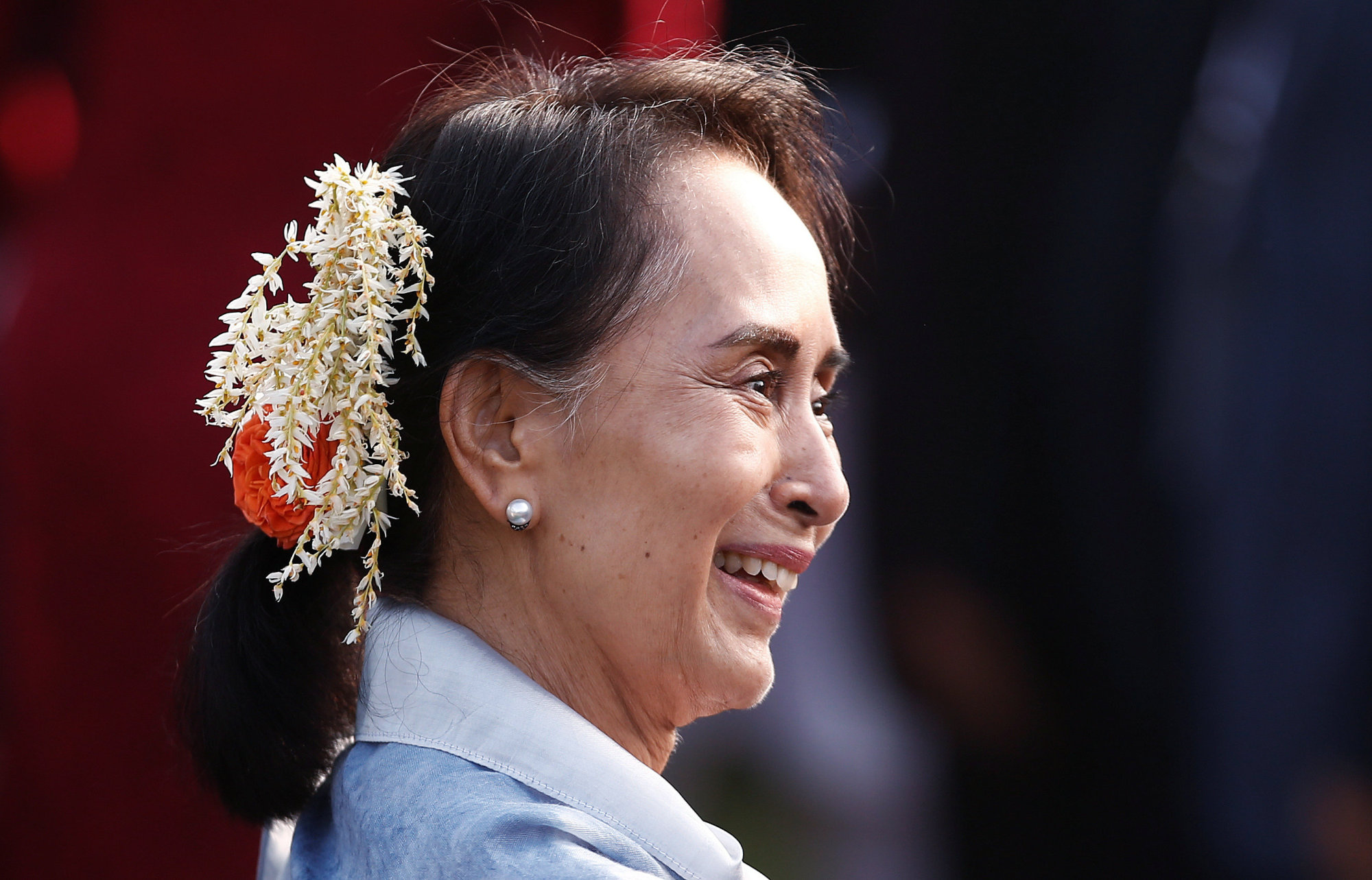
The release of Win Myint has inevitably renewed questions about whether Aung San Suu Kyi, now in her eighties, could also be moved to house arrest or granted limited freedom. However, there is currently no evidence of any change in her status.
Reports from Yangon suggest no visible adjustments around her detention conditions, with indications that she remains held in Naypyidaw. Sources associated with her former political party also say there are no confirmed plans for relocation or release.
Analysts see strategic calculations
Political observers argue that the pardon may be driven more by strategic considerations than by any intention to ease political tensions. Some suggest it could be aimed at managing domestic dissent or responding to international scrutiny while maintaining tight control over the political landscape.

The use of selective pardons, analysts note, has been a recurring feature of Myanmar’s political approach in recent years.
Elections and legitimacy concerns
The broader political environment remains highly contested. Recent elections, held under military oversight, excluded key opposition forces, including Suu Kyi’s party, raising concerns about fairness and legitimacy.
Critics argue that the process lacked transparency and failed to reflect genuine democratic competition, reinforcing perceptions that recent political gestures are largely controlled rather than transformative.
Limited impact expected
Although Win Myint is reportedly staying with family in Naypyidaw and is in stable health, observers believe his ability to influence political developments remains extremely limited. He has not issued any public statements since his release.
Young activists and residents similarly express skepticism, noting that structural restrictions on political activity remain firmly in place.
Continued uncertainty
Myanmar’s political future remains uncertain, with individual releases offering little clarity on broader reforms. While the pardon has drawn attention, analysts say the overall system remains unchanged.
For now, attention remains focused on whether future decisions by the military-backed leadership will signal genuine political opening or simply reinforce the existing status quo.




 ---------------------------------------------------------------------------------------------------