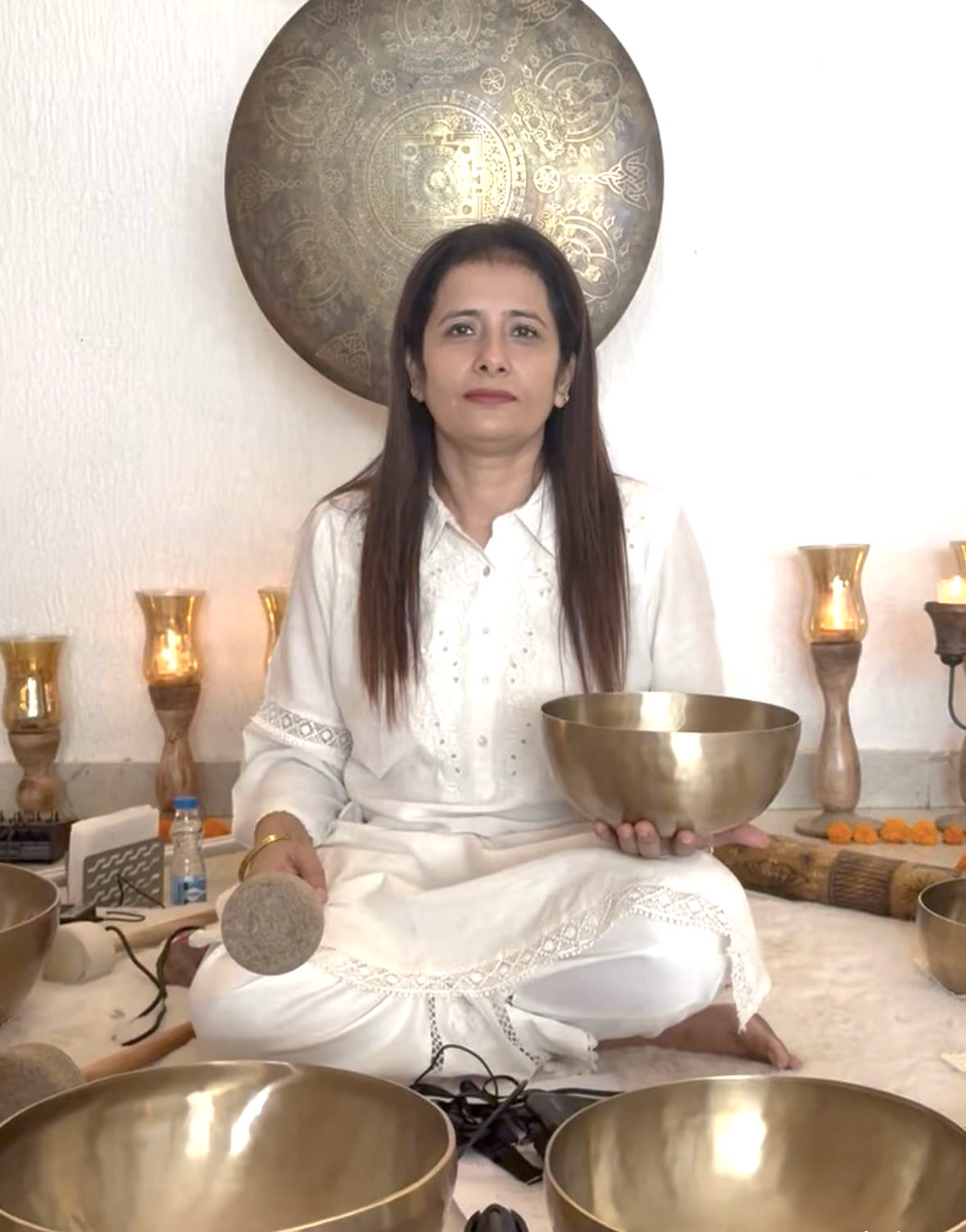
Mumbai: In today’s fast-paced world where stress and digital overload have become the norm, sleep deprivation is emerging as a silent epidemic. Addressing this growing concern is spiritual healer Pooja Seth, whose holistic approach to wellness is helping people rediscover the power of deep, restorative sleep.
Born in Mumbai and raised in Amritsar, Pooja Seth’s journey from personal struggles to spiritual awakening has shaped her mission to spread positivity and healing. Today, she is a certified Pranic Healer with expertise in diverse modalities such as Angel Card Reading, Switchwords, Vastu, Crystal Healing, Chakra Healing, Manifestation Coaching, Inner Child Healing, Past Life Regression, Sound Healing, and Soul Constellation. Through her work, she has touched countless lives by guiding individuals toward emotional balance and inner peace.
Speaking about the importance of rest, Pooja emphasizes that sleep is not a luxury but a necessity. “Sound sleep is essential for good health for everyone, whether it is a child, an adult, or an elderly person. Sleep is the foundation of our physical, mental, and emotional well-being,” she says. According to her, quality sleep allows the body to repair, the mind to relax, and emotions to stabilize. A lack of proper rest, she explains, often leads to irritability, reduced productivity, weakened focus, and long-term effects on immunity and digestion.
Highlighting the current scenario, Pooja points out that sleep deprivation has become alarmingly common across all age groups. “I regularly meet people struggling with issues like insomnia, overthinking at bedtime, anxiety, migraines, and disturbed sleep cycles. What is concerning is that even teenagers and children are now facing sleep-related problems,” she shares. She attributes this trend largely to excessive screen time, irregular routines, and mental overstimulation.
According to her, the root cause of most sleep disorders lies not in physical illness but in emotional stress and subconscious imbalances. “People stay connected to digital devices late into the night, which disrupts the body’s natural rhythm and affects the pineal gland responsible for regulating sleep,” she explains. She also notes that while many individuals rely on sleeping pills, these often provide only temporary relief without addressing deeper issues.
Through therapies such as sound healing, breathwork, hypnotherapy, and pranic healing, Pooja focuses on calming the nervous system and releasing emotional blockages. “When the mind feels safe and relaxed, the body automatically follows, and sleep becomes natural rather than forced,” she says. Over time, her clients report improved sleep quality, reduced anxiety, and enhanced emotional clarity.

For those struggling with sleep, Pooja suggests simple yet effective practices that can be easily incorporated into daily life. Maintaining a consistent sleep schedule, avoiding gadgets before bedtime, and practicing breathwork or meditation are among her top recommendations. She also stresses the importance of creating a peaceful sleep environment and following a balanced diet with light meals at night.
Journaling and gratitude practices, she adds, can significantly help in releasing mental stress. “Writing down your worries and maintaining a gratitude journal before bed brings emotional calm,” she advises. She also recommends affirmation writing as a powerful tool to reprogram the subconscious mind. Statements like “I feel safe, peaceful, and supported” or “Every cell of my body is healing as I sleep” can create a deep sense of relaxation when repeated regularly.
Pooja also highlights the role of guided breathing techniques in inducing sleep. Slow inhalation, gentle breath retention, and longer exhalation help calm the nervous system. Combined with affirmations such as “I release all stress as I exhale” and “My mind is becoming quiet and peaceful,” these practices encourage the body to surrender to rest naturally.
“During deep sleep, hormones balance naturally and stress is released from the body. Without proper sleep, digestion weakens, energy levels drop, and even therapies become less effective,” she explains.