Kabul: Tensions between Pakistan and Afghanistan have escalated sharply after Taliban forces reportedly seized two additional Pakistani military posts along the disputed Durand Line, marking a significant expansion of cross-border hostilities.
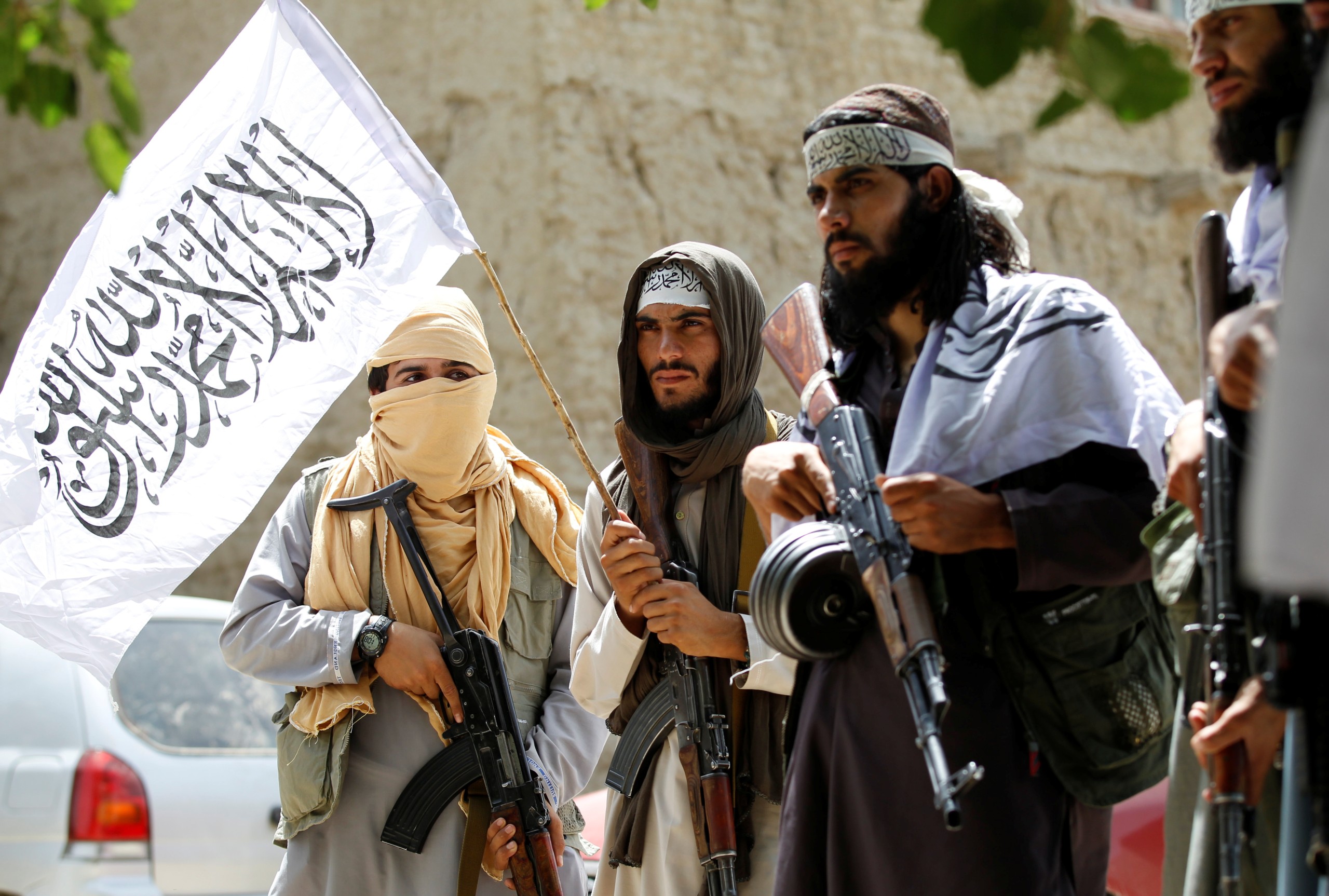
According to reports by Afghan broadcaster Tolo News, forces of the Islamic Emirate of Afghanistan captured Pakistani military positions near the so-called Durand Line in Spin Boldak and Shorabak districts of Kandahar province. The Taliban has long rejected the Durand Line as a legitimate international border, describing it as an imposed demarcation dividing Pashtun communities.

The latest developments come amid rapidly intensifying military exchanges between the two countries, transforming what had been sporadic border skirmishes into broader cross-border confrontation.
Drone Strikes on Nur Khan Air Base
The situation escalated further after Afghan Taliban forces reportedly launched armed drone attacks targeting Pakistan’s command and control facilities at Nur Khan Air Base in Rawalpindi. The air base is considered one of Pakistan’s most sensitive military installations.
The strike carries symbolic weight as well. Nur Khan Air Base had previously been targeted during heightened regional tensions, including the 2025 India-Pakistan confrontation referred to as “Operation Sindoor.” Reconstruction work had reportedly been ongoing at the facility in the months following that episode. The new attack is said to have caused additional damage, potentially disrupting ongoing repair operations.
Expanded Taliban Air Operations
In a statement posted on the official X account of Afghanistan’s National Defense Ministry, Taliban authorities claimed responsibility for coordinated drone and aerial strikes on multiple Pakistani military installations.
The statement asserted that Taliban air force units conducted “precise and coordinated air operations” against key Pakistani targets, including the Nur Khan Air Base in Rawalpindi, the 12th Division Headquarters in Quetta, Balochistan, and military sites in Pakistan’s Khyber Pakhtunkhwa province, including facilities in the Mohmand region.
While independent verification of all claims remains limited, the scale and scope of the alleged operations suggest a deliberate escalation strategy by Kabul.
Fighter Jet Downed, Pilot Captured
Earlier, Taliban officials claimed that a Pakistani fighter jet was shot down over eastern Afghanistan near Jalalabad. According to reports carried by AFP, the pilot ejected and was subsequently captured alive by Taliban forces after landing by parachute. Local sources told AFP that the pilot was detained shortly after touchdown.
If confirmed, the downing of a Pakistani military aircraft would represent one of the most serious incidents in the current standoff, signaling a transition from localized clashes to more structured military confrontation.

Pakistan’s Retaliatory Strikes
The confrontation intensified further on Friday when Pakistan reportedly carried out airstrikes in Kabul and Kandahar. Kandahar is particularly significant as it is widely regarded as the stronghold of Taliban leadership, including Supreme Leader Hibatullah Akhundzada.
A spokesperson for the Pakistani government stated that the strikes killed 133 Taliban fighters, injured more than 200, and destroyed or captured several Taliban checkpoints. Islamabad has framed its operations as defensive responses to cross-border aggression and attacks on strategic military infrastructure.
A Long-Simmering Dispute Turns Volatile
The Durand Line dispute has been a persistent source of tension between Kabul and Islamabad for decades. While Pakistan recognizes it as the official international boundary, successive Afghan governments—including the current Taliban administration—have refused to formally accept it.
Recent months have seen rising cross-border shelling, accusations of militant infiltration, and tit-for-tat drone strikes. However, the latest developments mark a dramatic escalation in both intensity and geography of the conflict.
Analysts warn that sustained military exchanges could destabilize the broader region, particularly given existing internal security challenges in Pakistan’s border provinces and Afghanistan’s fragile economic conditions.
Regional Implications
The expanding conflict risks drawing in regional actors concerned about border security, militant spillover, and humanitarian fallout. Increased drone warfare and aerial operations also raise the risk of civilian casualties in densely populated border areas.
Diplomatic efforts to de-escalate tensions have so far shown limited progress. Both sides appear to be hardening their positions, with rhetoric intensifying alongside military activity.
As Taliban forces claim territorial gains along the Durand Line and Pakistan escalates air operations deep into Afghan territory, the situation appears to be shifting from a border dispute to a broader military confrontation. Observers caution that unless urgent diplomatic channels are activated, the conflict could spiral into a prolonged and destabilizing war between the two neighboring states.