Washington/New Delhi: The United States’ aggressive tariff policy has triggered a fresh storm in global trade, raising questions about its long-term impact on international economic and strategic relations. Former President Donald Trump’s push for high tariffs was seen as a move to strengthen America’s economy, but critics argue it has disrupted global trade order, isolating the US while driving countries like India, China, and Russia closer together.
In a major setback, a US federal court struck down Trump’s tariff policy, terming it legally unsustainable. The ruling, which gives the administration until October 14 to appeal, has set the stage for a possible showdown between the government and judiciary. Analysts believe the verdict will embolden Trump’s critics and weaken his stance globally.

For India, the stakes are high. Trump’s tariff measures imposed duties of up to 50 percent on Indian goods—the steepest globally—impacting sectors such as textiles, agriculture, jewelry, leather, chemicals, and pharmaceuticals. India exports nearly 28 percent of its textiles and carpets to the US, which accounts for 20 percent of India’s total exports and about 2 percent of its GDP. Economic experts warn of potential losses running into billions of dollars, along with the threat of large-scale job cuts in labor-intensive industries.
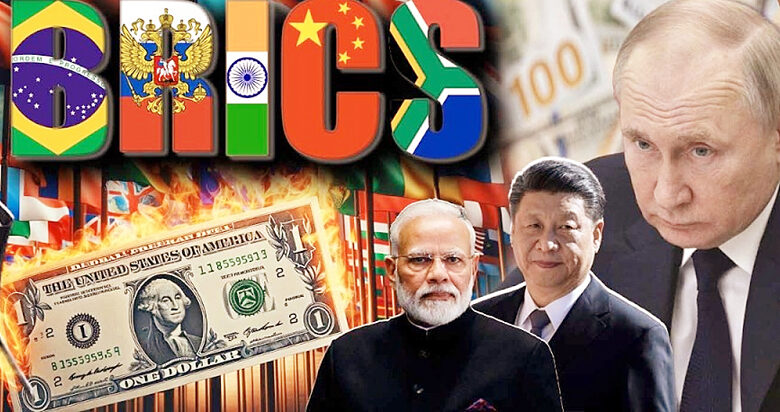
Despite the pressure, India has refused to yield. Prime Minister Narendra Modi’s visits to Japan, China, and Russia signal a strategy to counter US trade aggression. With Russian President Vladimir Putin and Chinese President Xi Jinping, India is exploring alternative trade frameworks and reducing reliance on the dollar.
Global analysts note that while the US aimed to weaken rivals through tariffs, the move has backfired by forging new economic alignments in Asia and within BRICS nations. India, backed by its vast population and agricultural base, has resisted US pressure to lower tariffs on farm and dairy products, further straining ties.

The Trump administration’s tariff escalation against China (30 percent) and India (50 percent) is being criticized as politically motivated rather than economically sound. Many see it as a reflection of frustration with India’s independent stance on issues like oil imports from Russia and its refusal to align fully with US interests.
While India is expected to bear significant short-term economic pain, experts say the broader impact of America’s tariff war will not be one-sided. Global trade, strategic relations, and even military alignments could face new turbulence, raising fears of an extended era of economic warfare and geopolitical instability.
The unfolding situation highlights a larger reality: America’s tariff gamble has not only unsettled its allies but also accelerated calls for global trade realignment, with the world preparing for the fallout of Washington’s aggressive policies.