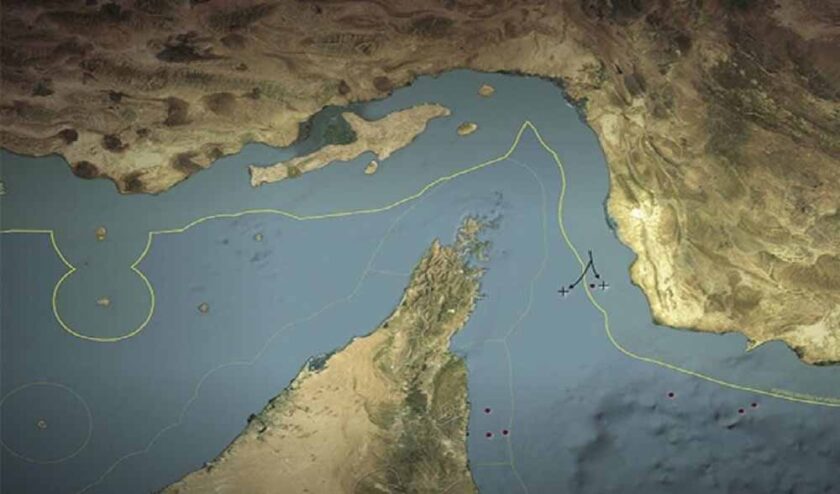
Singapore: The global aviation sector could face prolonged pressure on fuel supplies even if the Strait of Hormuz reopens, according to Willie Walsh, head of the International Air Transport Association.
Speaking on Wednesday, Walsh said disruptions to refining capacity in the Middle East would delay a full recovery in jet fuel availability. While crude oil shipments could resume quickly if the route reopens, restoring refined fuel supply chains is expected to take several months.
The remarks follow a temporary easing of geopolitical tensions after Donald Trump announced a proposed ceasefire arrangement with Iran, contingent on the safe reopening of the vital maritime corridor. The Strait typically handles about one-fifth of global oil trade.
Although crude oil prices have begun to ease, falling below $100 per barrel, Walsh cautioned that jet fuel costs are likely to remain elevated in the near term due to refinery disruptions. He emphasized that Middle Eastern refineries play a crucial role in producing not only jet fuel but a wide range of refined petroleum products.
Airlines, particularly across Asia, have already adjusted operations by cutting flights, carrying additional fuel, and introducing refuelling stops to manage shortages. The situation has placed added strain on an industry already grappling with high fuel costs.

The impact has been most severe in import-dependent economies such as Vietnam, Myanmar, and Pakistan, especially after major suppliers like China and South Korea restricted jet fuel exports.
Walsh noted that once crude flows normalize, countries with refining capacity may resume exports, helping to stabilize supply. However, he added that higher refining margins—known as crack spreads—could incentivize refineries to boost jet fuel production, though recovery will still take time.
The developments underscore ongoing vulnerabilities in global energy and aviation supply chains amid geopolitical uncertainties.