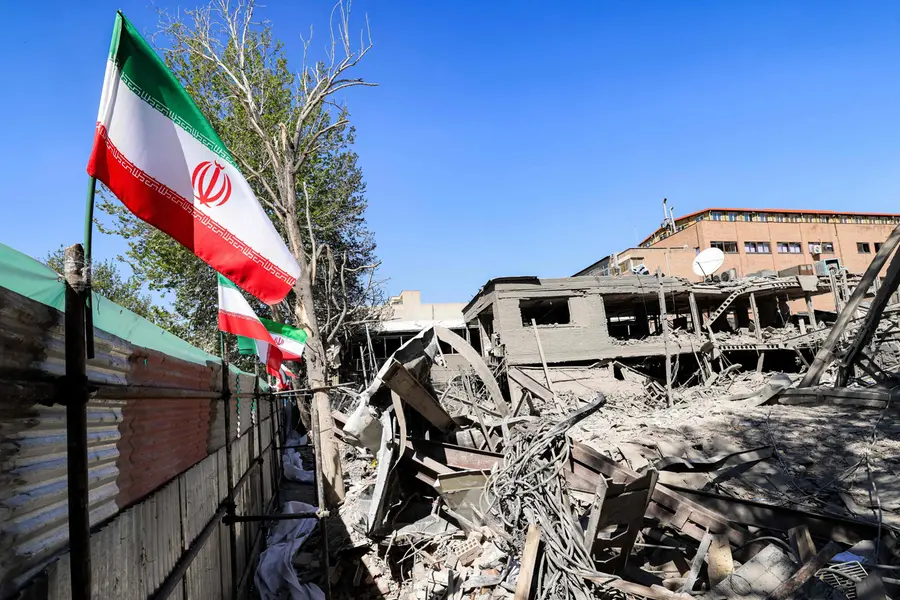
Paradox of War and Anti-War

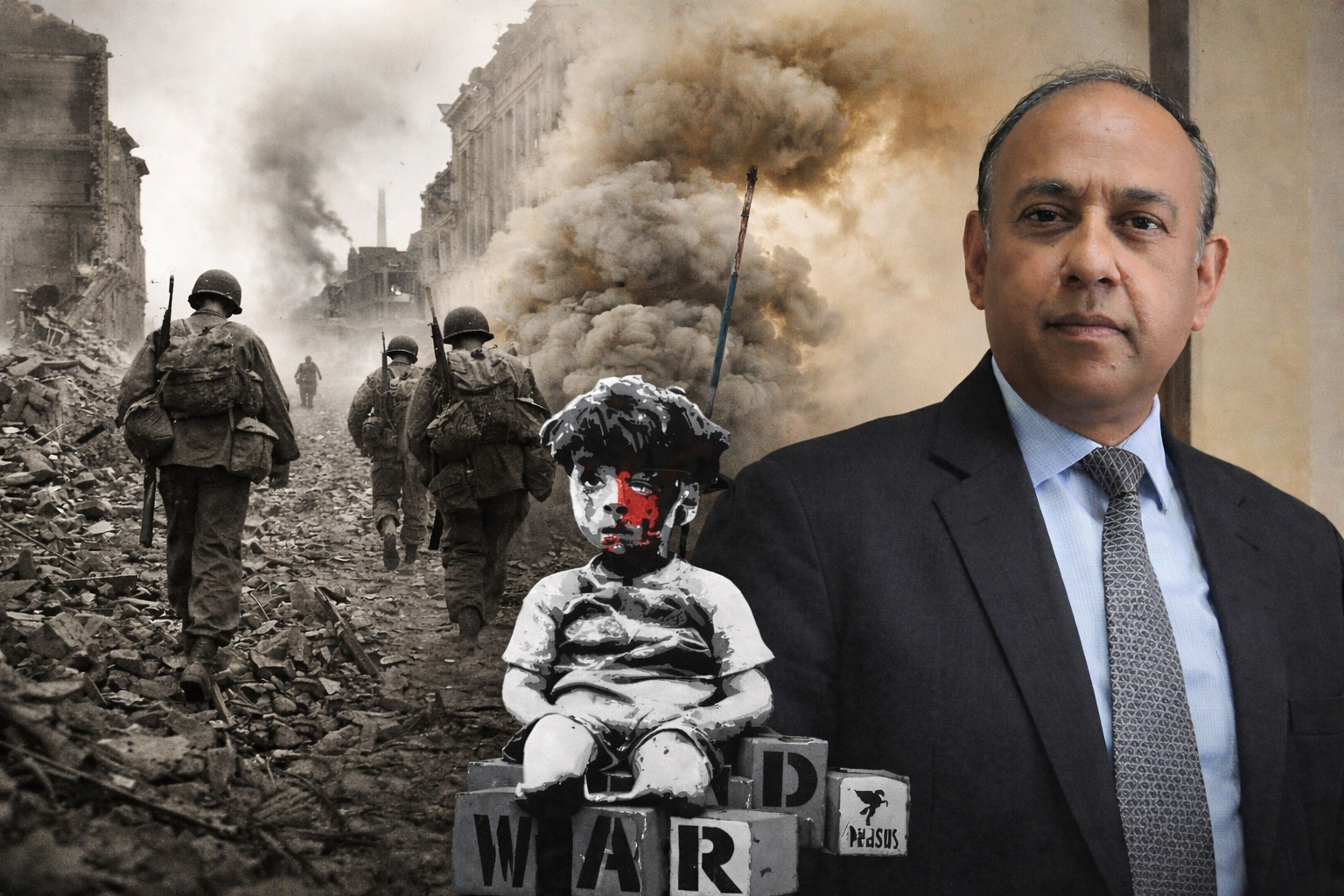
Commander Sumit Ghosh In the Bhagavad Gita, the initial perspective on war is not heroic but tragic. Through Arjuna’s reflections, one sees that war results in, destruction of families and traditions, moral and social collapse, loss of cultural and spiritual values, everlasting societal damages and a deep psychological anguish. The verses on these form one of the earliest and most profound “anti-war reflections” in world literature, showing that the cost of war extends far beyond the battlefield. Today, the world is spiralling towards such a situation, a deep vortex of…

Read More

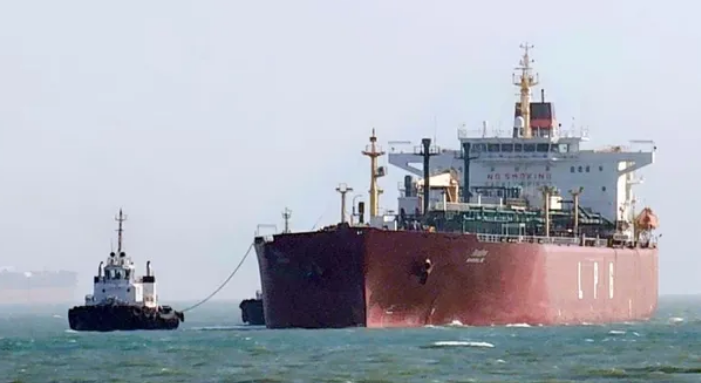
Hormuz Crisis Could Threaten India’s Development Trajectory, Warn Experts

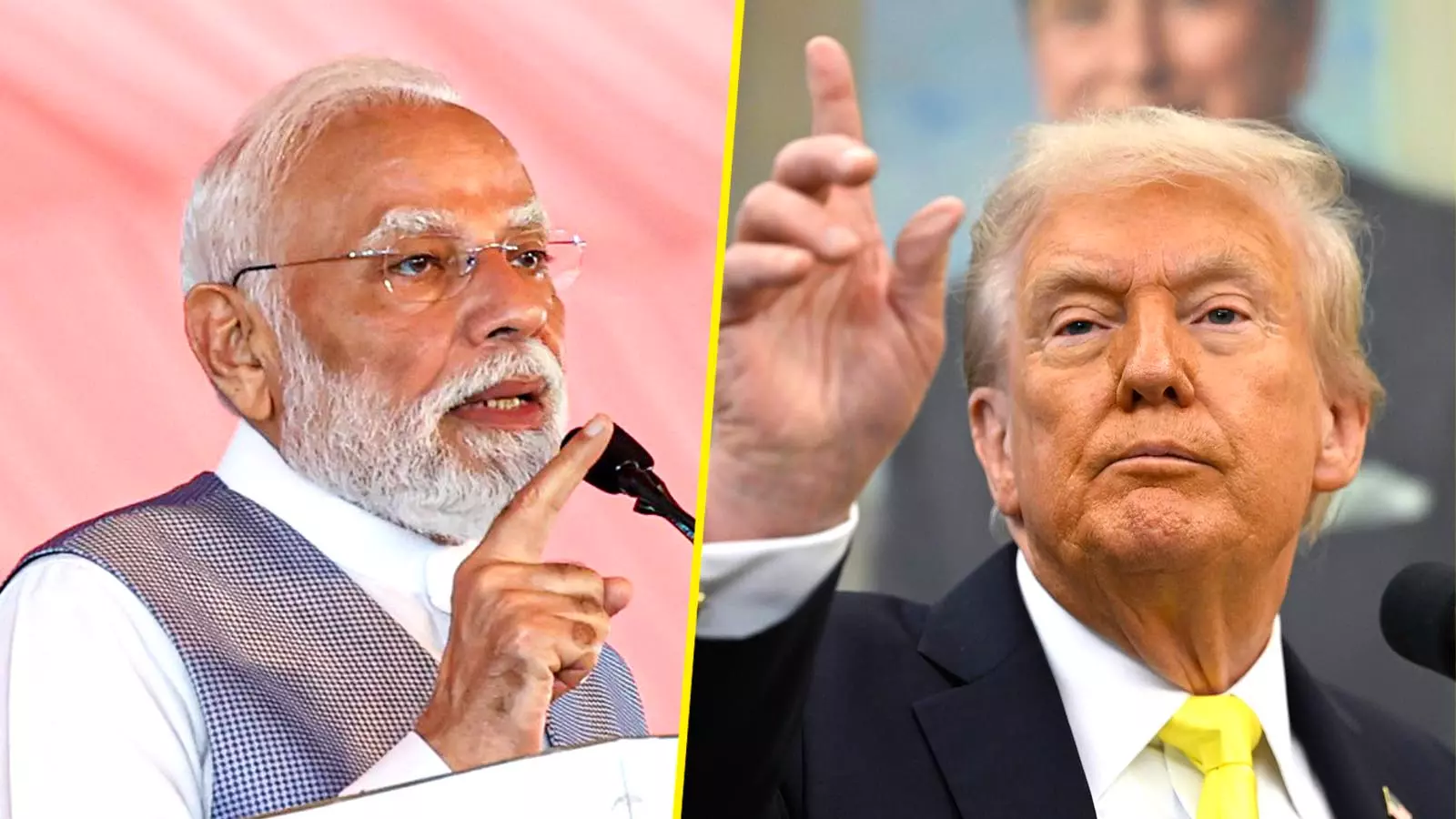
New Delhi: Rising geopolitical tensions around the strategically vital Strait of Hormuz have sparked serious concerns over global energy security, with experts warning that any prolonged disruption could severely impact India’s economic growth and stability. The narrow 40-kilometer-wide waterway handles nearly one-fifth of the world’s oil shipments, making it one of the most critical energy corridors globally. Recent escalations between the United States and Iran have heightened fears of a potential blockade, triggering alarm across energy-dependent economies like India. Escalating Tensions Raise Global Stakes According to reports, U.S. President Donald…

Read More

Human Return to the Moon: NASA’s Artemis II Mission Marks a Historic Leap

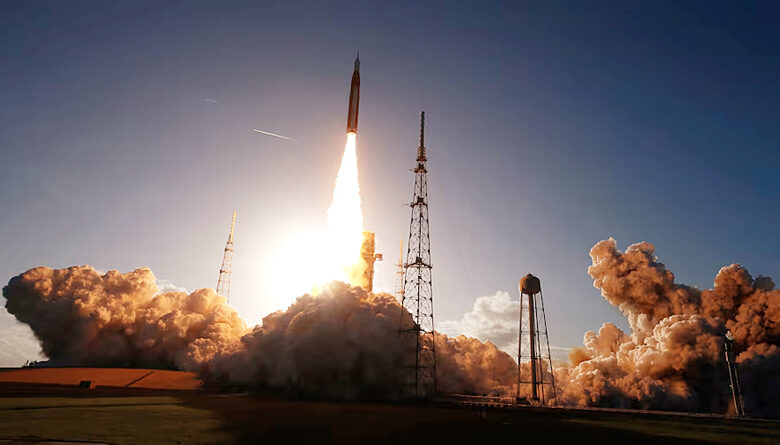
New Delhi: In a landmark moment for space exploration, NASA has successfully launched its ambitious Artemis II mission, marking humanity’s return to deep space travel toward the Moon after more than five decades. The mission lifted off on April 1, 2026 (April 2, 3:54 AM IST) from the Kennedy Space Center aboard the powerful Space Launch System, carrying the Orion spacecraft with four astronauts on board. This is the first human mission to travel such a distance since the Apollo Program ended in 1972. Crew and Mission Timeline The Artemis…

Read More

Former UN Nuclear Watchdog Chief Urges Gulf Nations to De-escalate Middle East Tensions

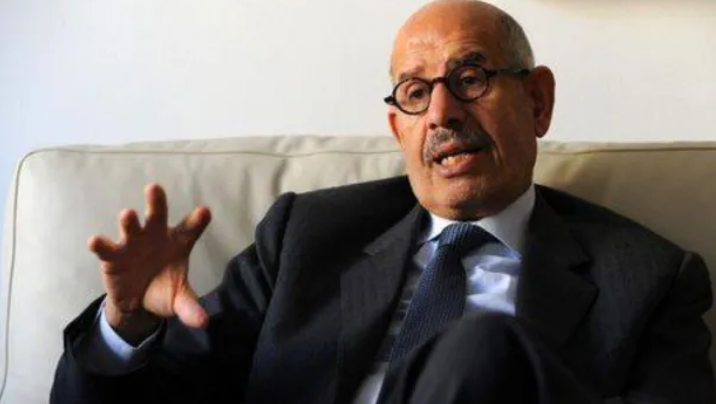
Tel Aviv: Amid rising geopolitical tensions in the Middle East, former head of the International Atomic Energy Agency, Mohamed ElBaradei, has called on Gulf nations to take urgent diplomatic steps to prevent further escalation in the region. ElBaradei’s appeal comes in response to recent remarks by former U.S. President Donald Trump, who reportedly issued a stern warning to Iran regarding its nuclear stance and regional actions. Expressing concern over the potential consequences, ElBaradei urged Gulf governments to use their influence to avoid what he described as a dangerous slide toward…

Read More

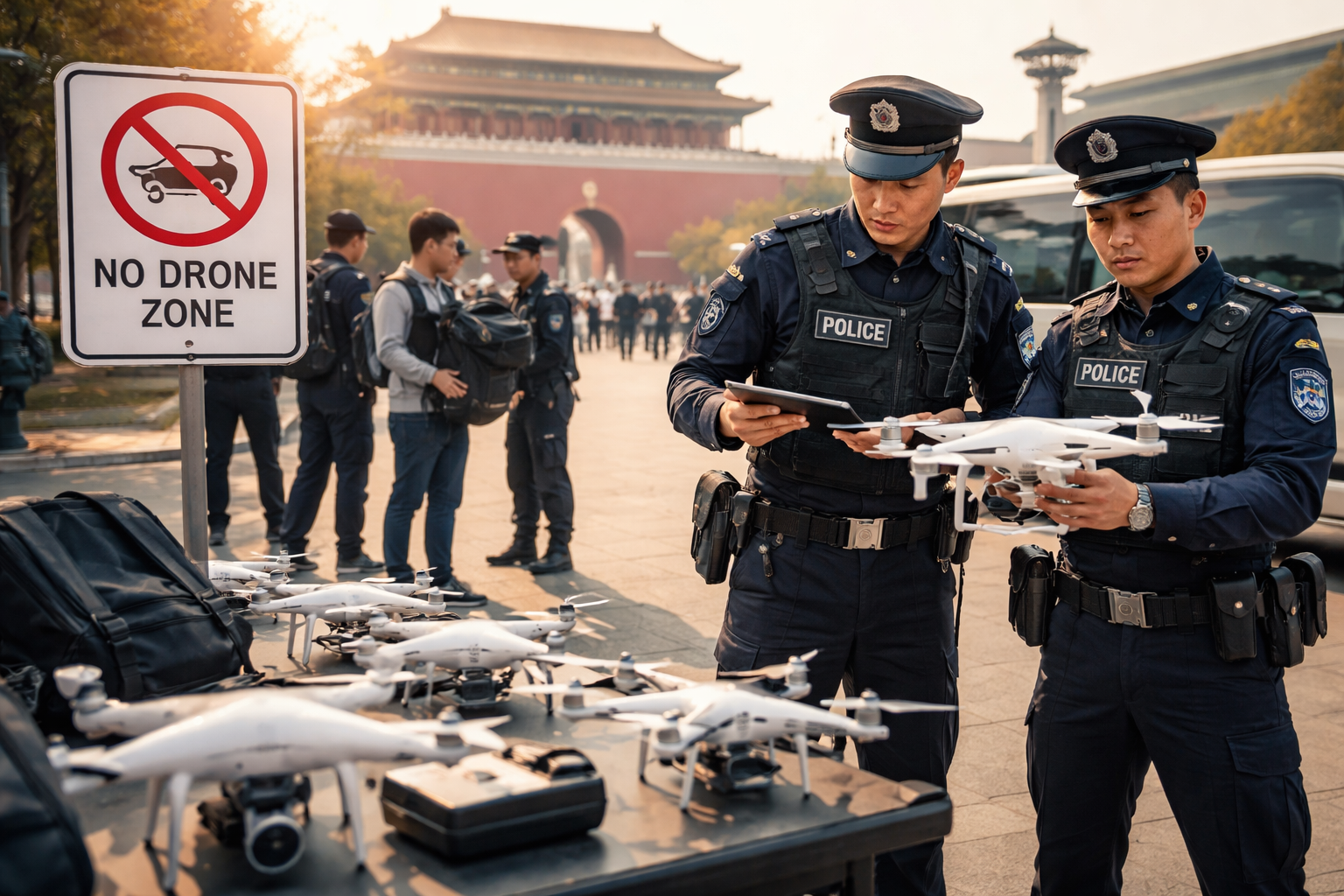
China Tightens Drone Regulations Despite Global Industry Dominance

Beijing:  Despite its commanding position in the global drone market, China is rapidly emerging as one of the most restrictive environments for drone operations, particularly for recreational users and civilians. Authorities have significantly tightened regulations in recent months, introducing stricter penalties and enhanced monitoring mechanisms aimed at controlling drone usage across the country. Stricter Penalties and Mandatory Registration Since January, flying drones without prior authorization can attract severe punishment, including possible imprisonment. From May onwards, all drones must be registered under the owner’s real identity, linked to official identification documents…

Read More

Iran May Seek Crypto-Based Toll from Ships in Strait of Hormuz

Tehran: Amid rising tensions in the Middle East, Iran is reportedly considering a significant shift in how it collects transit fees from global shipping companies passing through the strategically vital Strait of Hormuz. According to emerging reports, Tehran may require vessels to pay toll charges in cryptocurrency instead of traditional currencies. The move is believed to be aimed at bypassing financial restrictions imposed by Western nations, particularly the United States. Sanctions Driving Alternative Payment Mechanisms Iran has faced mounting challenges in accessing the global banking system due to stringent sanctions.…

Read More

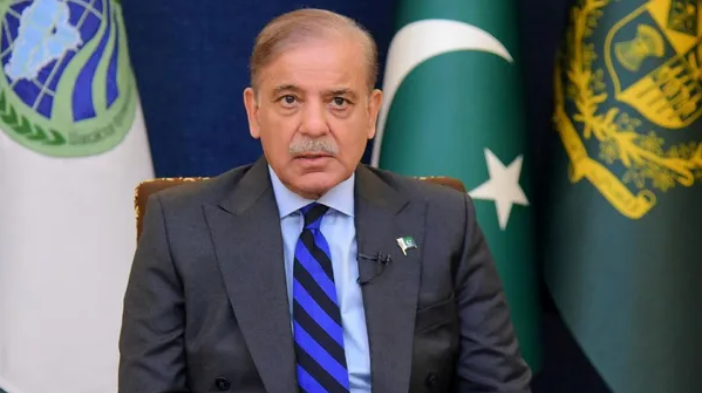
Pakistan’s Role in Ceasefire Faces Scrutiny Amid US-Iran Truce

Islamabad: The recently agreed two-week ceasefire between the United States and Iran has raised cautious hopes for long-term peace in the region. However, Pakistan’s claimed role as a mediator in facilitating the truce has come under increasing scrutiny. While Islamabad is reportedly seeking credit for helping broker the temporary ceasefire, analysts have questioned the extent and intent of its involvement. Experts Question Pakistan’s Mediation Claims Jonathan Schanzer, a former U.S. Treasury terrorism analyst associated with the Foundation for Defense of Democracies, has raised concerns over Pakistan’s geopolitical positioning. He pointed out…

Read More

Iran Signals Possible Strait Mining as Fragile Ceasefire Faces Fresh Strain

Tehran: Amid rising geopolitical tensions, Iran has signaled a potential escalation in the strategically critical Strait of Hormuz, even as a fragile ceasefire hangs in the balance. According to reports from semi-official Iranian media outlets, including ISNA and Tasnim News Agency, charts were released indicating that Iran’s Revolutionary Guard may have deployed sea mines in the key global shipping corridor during the recent conflict. The graphics highlighted a “danger zone” along the Traffic Separation Scheme, a vital route used by commercial vessels. Handling nearly one-fifth of the world’s oil and…

Read More

US–Iran Truce Triggers Political Divide in Washington

Washington, D.C.: A newly announced two-week ceasefire between the United States and Iran has sparked sharp political reactions across Washington, highlighting deep divisions over the path forward in a volatile geopolitical moment. The truce, unveiled by President Donald Trump, calls for a temporary halt in hostilities and opens the door for further diplomatic engagement. A key component of the agreement includes efforts to ensure the safe reopening of the Strait of Hormuz, a vital artery for global energy supplies. Supporters See Strategic De-escalation Some lawmakers have welcomed the move as…

Read More

Pakistan’s Mediation Role Triggers Debate on India’s Foreign Policy

New Delhi: A temporary pause in tensions between the United States and Iran has sparked a political debate in India, with opposition leaders questioning the country’s diplomatic positioning amid shifting global dynamics. The two-week ceasefire, agreed after weeks of escalating hostilities in West Asia, includes a halt to military actions and assurances regarding safe passage through the Strait of Hormuz. The development has been widely seen as a step toward easing regional tensions, even if only in the short term. What has drawn particular attention, however, is the reported role…

Read More