
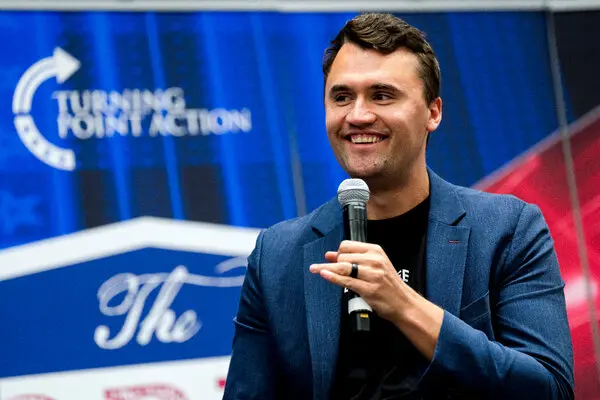
Washington/ New Delhi: Indian politics faces a conspicuous absence of independent, young voices akin to the late Charlie Kirk of the United States. Kirk, who passed away at 32, became widely recognized as a conservative activist, commentator, and author—not through elections or traditional party affiliations, but by founding the nonprofit Turning Point USA (TPUSA). His platform mobilized young Americans, giving them a sense of ideological purpose and national engagement. His untimely death shook U.S. politics and highlighted the rarity of such fearless young leaders globally.
Party Lines and Political Constraints
India is a country of youth—over 65% of its population is under 35. While the political arena is home to youthful figures like Tejashwi Yadav, Hardik Patel, Kanhaiya Kumar, Aditya Thackeray, and Jignesh Mevani, they remain largely bound by party affiliations. Unlike Kirk, these leaders operate within ideological and organizational frameworks that limit their freedom to unite young voices across political divides. Consequently, their public influence often remains confined to their party’s narrative, rather than rising as independent national symbols.
Challenges to Free Expression and Independent Movements
Independent youth activists in India—students, social workers, or policy thinkers—face systemic hurdles:
-
Institutional pressure: Young leaders who gain traction are either absorbed into political parties or silenced through legal, economic, or political means.
-
Funding and structural challenges: Strict FCRA regulations, limited donation culture for political causes, and societal suspicion of politically active NGOs make sustaining independent youth initiatives difficult.
As a result, India produces leaders who are vocal within party lines but struggle to champion a unified, independent youth-first agenda at the national level.
Caste, Community, and Electoral Politics
India’s electoral system often prioritizes caste, community, and identity over policy or youth-focused vision. Parties rely on ethnic arithmetic to win elections rather than mobilizing youth around bold ideas of development and equality. This dynamic suppresses the emergence of leaders capable of breaking free from entrenched social and political divisions.

The Dilemma for Young Leaders
The question remains: should young talent join established parties or build their own platforms to champion marginalized communities? Joining parties offers resources and visibility at the cost of autonomy, while independent initiatives ensure freedom but face financial and structural obstacles. A potential solution lies in party-independent youth organizations, think tanks, and advocacy platforms that influence policy without succumbing to political control.
India’s Training Gap
Unlike TPUSA in the U.S., India lacks national, non-partisan youth leadership academies that train emerging leaders in public speaking, organizational strategy, policy analysis, fundraising, and digital campaigning. Existing programs are mostly party-run, such as BJP’s Deendayal Upadhyaya Institute or Congress-affiliated Young India Fellowship, leaving a void for independent youth development.
A Call for India’s Turning Point
To leverage its demographic dividend, India must create space for fearless, independent young voices. This does not mean importing American conservatism but building Indian platforms where leaders, irrespective of ideology, can rise above caste and dynastic politics and boldly declare:
India First. Youth First. Future First.
Charlie Kirk’s life and untimely death leave a lesson: building movements is as crucial as winning elections. For India’s democracy to mature, its youth must create their own turning points, rather than simply following established party lines.






