Behind Rome’s Beauty, a Papal Puzzle: Cardinals Engage in Cloistered Conclaves.
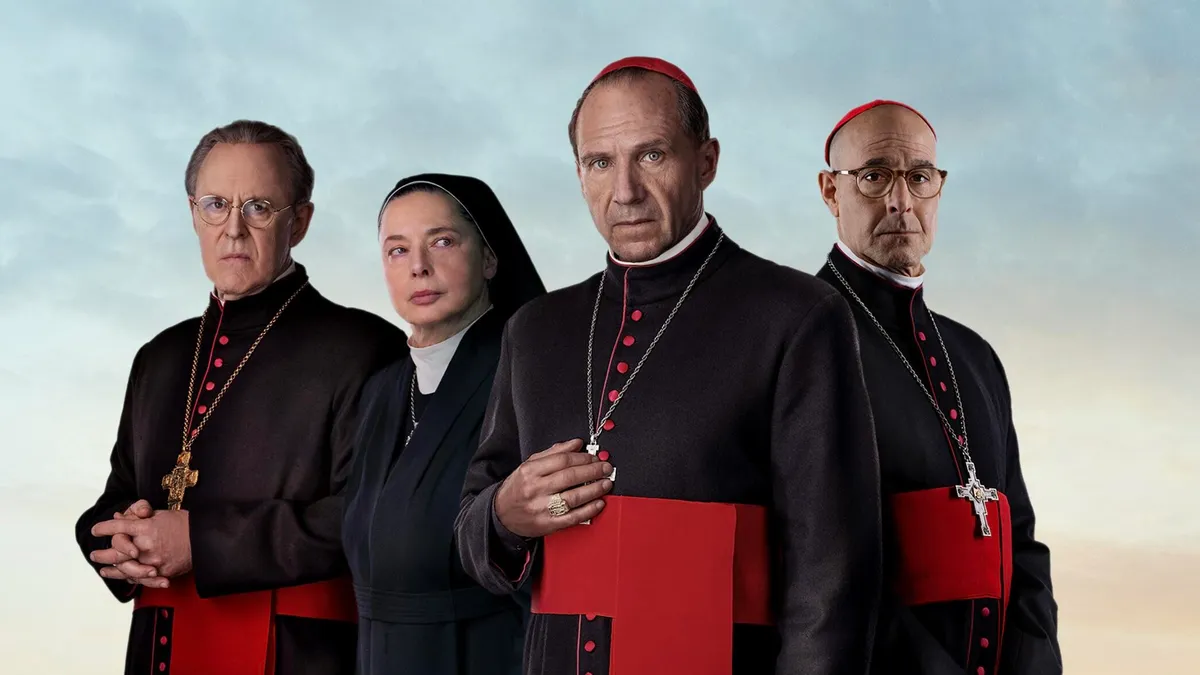
Rome: Rome, a city awash in the intoxicating fragrance of jasmine and teeming with pilgrims, holds a secret within its ancient walls. While tourists admire iconic landmarks, a more profound drama unfolds behind closed doors: the intricate and prayerful process of selecting Pope Francis’ successor. Cardinals from around the globe have descended upon the Vatican, engaging in hushed talks, intimate dinner parties, and discreet coffee klatches, all in a quest to discern who possesses the spiritual and leadership qualities to guide the Catholic Church into the future.
Echoes of the Past: How a Dinner Table Propelled Pope Francis.
The election of Pope Francis in 2013 offers a fascinating glimpse into this process. As Cardinal Vincent Nichols recounts, a pre-conclave huddle saw retired Archbishop of Westminster Cardinal Cormac Murphy-O’Connor and other reform-minded European cardinals championing the candidacy of Argentine Jesuit Jorge Mario Bergoglio. Their persuasive efforts, culminating in strategic dinner conversations, proved pivotal, leading to Bergoglio’s triumph on the fifth ballot.
A New Era of Lobbying: Nichols Steps into the Shadows.
While Cardinal Vincent Nichols now holds the Archbishopric of Westminster, he isn’t replicating his predecessor’s role as a vocal papal lobbyist. “We’re of quite different styles,” Nichols chuckled in an interview at the Venerable English College, his former seminary in Rome. “Cardinal Cormac would like being the life of the celebration. Compared to that, I’m a little more introverted and restrained.”
Carbonara and Conclaves: A Glimpse Inside the Cardinal’s World.
Yet, Nichols, a seasoned cardinal-elector, offered a rare peek into the activities of his fellow “princes of the church” in the days following their farewell to Pope Francis. Between indulging in Rome’s famed carbonara, the cardinals gather daily in a Vatican auditorium, delving into the pressing issues facing the Catholic Church and the qualities needed in its next leader. While all cardinals are welcome to these discussions, only those under 80 will enter the hallowed Sistine Chapel for the conclave itself.
A Brigade United in Faith, Not Lockstep Opinion.

As the cardinals reflect on Francis’ 12-year papacy and contemplate their choices, a vision for the next pontiff is beginning to emerge, at least in Nichols’ mind. “I suppose we’re looking for somebody who even in their manner not only expresses the depth of the faith, but also its openness as well,” he mused. Nichols, appointed Archbishop by Benedict XVI and elevated to Cardinal by Francis, emphasizes the “attentive listening” that characterizes these pre-conclave days. Minds can change, he notes, even in the final hours before voting commences.
Honoring the Past, Embracing the Future: The Emerging Papal Profile.
According to Nichols, the evolving picture is one that respects the Catholic Church’s diverse global landscape, viewing Francis’ papacy as a continuation of the more doctrinally focused pontificates of Benedict XVI and St. John Paul II. Francis notably broadened the College of Cardinals, welcoming leaders from traditionally underrepresented regions. While acknowledging the inevitable disagreements within the Church – “We’re not a boys’ brigade that marches in step” – Nichols senses a shared understanding among cardinals that Francis’ groundbreaking initiatives, particularly his call to care for the world, need to be solidified and made a lasting part of the Church’s identity.
“Team Bergoglio”: Lessons from a Papal Election.
Drawing on Austen Ivereigh’s biography of Pope Francis, “The Great Reformer,” the dynamics of the 2013 election highlight the strategic maneuvering that can occur. Murphy-O’Connor and his “Team Bergoglio” capitalized on divisions among Italian cardinals to propel Bergoglio’s candidacy. Their efforts, including persuasive dinners in the lead-up to the conclave, aimed to establish Bergoglio as a viable contender from the outset.
No Predictions, Just Prayerful Discernment.
Unlike the orchestrated efforts of the past, Nichols refrains from offering any predictions or endorsing specific candidates. “Going into a conclave believing that it’s a political election and that I want my side to win is pointless, in my opinion. I will not do that,” he asserts. Instead, he approaches the momentous task with an open mind and a willingness to be persuaded, ready to listen and perhaps even sway the opinions of his fellow electors. As the world watches and Rome breathes in the scent of jasmine, the cardinals embark on their sacred duty, seeking the next shepherd for the global Catholic community.