Panaji: Along India’s western coastline lies a destination where golden beaches meet colonial history, vibrant culture, and an unmistakable spirit of celebration. Goa, the country’s smallest state by area, has evolved into one of its most sought-after travel destinations. Known for its sun-drenched shores, Portuguese heritage, lush greenery, and lively nightlife, Goa offers an experience that blends relaxation with adventure. For decades, it has attracted travelers from across the world who arrive seeking the charm of the Arabian Sea, the warmth of coastal hospitality, and the unique lifestyle locals proudly call susegad—a relaxed and unhurried way of living.
Goa’s tourism landscape is broadly divided into two regions—North Goa and South Goa—each offering a distinct personality. North Goa is widely associated with energy and excitement. Its beaches are bustling hubs where water sports, music, and nightlife create a lively atmosphere that lasts well into the night. In contrast, South Goa is known for its calm and scenic environment, where tranquil beaches, swaying palms, and quiet resorts create an ideal escape for those seeking solitude.
Among North Goa’s most famous coastal stretches is Baga Beach, a vibrant shoreline known for its lively beach shacks, seafood restaurants, and thrilling water sports. Jet skiing, parasailing, banana boat rides, and speedboat adventures attract tourists eager to experience the Arabian Sea from a more adventurous perspective. Nearby lies Calangute Beach, often referred to as the “Queen of Beaches.” With its wide sweep of golden sand and lively beachfront lined with vendors and cafés, Calangute remains one of Goa’s most visited beaches.
For travelers drawn to alternative culture and a bohemian atmosphere, Anjuna Beach offers a unique charm. Once a gathering point for the hippie movement of the 1960s and 1970s, Anjuna continues to host vibrant flea markets, music events, and beachside cafés. Just a short distance away, Vagator Beach presents a more dramatic landscape, where red laterite cliffs overlook the sea and sunsets paint the horizon in spectacular shades of orange and gold.
While North Goa thrives on energy, South Goa offers a quieter and more laid-back experience. One of its most picturesque destinations is Palolem Beach, known for its crescent-shaped shoreline framed by coconut palms. The beach is ideal for kayaking, dolphin-watching boat rides, and peaceful evenings in rustic beach huts. Not far away, Agonda Beach remains one of the region’s most serene coastal stretches. With minimal development and fewer crowds, Agonda appeals to travelers who prefer long walks along the sand and quiet moments by the sea.
Other beaches such as Colva Beach and Benaulim Beach offer expansive shorelines that are popular with families and visitors seeking a peaceful seaside retreat. These beaches combine gentle waves, local seafood shacks, and relaxed atmospheres that embody Goa’s easygoing charm.
Beyond the coastline, Goa’s historical heritage reveals a fascinating story shaped by centuries of Portuguese rule. The historic town of Old Goa stands as a testament to this legacy and has been designated a UNESCO World Heritage site. Among its most revered landmarks is the Basilica of Bom Jesus, a magnificent Baroque church that houses the preserved remains of St. Francis Xavier, one of Christianity’s most important missionaries in Asia. Pilgrims and tourists alike visit the basilica to admire its ornate interiors and historical significance.
Another architectural marvel nearby is the Se Cathedral, one of the largest churches in Asia. Known for its grand altars, impressive Portuguese-Gothic design, and the famous Golden Bell, the cathedral reflects the grandeur of Goa’s colonial past.
The capital city, Panaji, also known as Panjim, offers a glimpse into Goa’s colorful urban heritage. Its Latin Quarter, known as Fontainhas, features narrow winding streets lined with brightly painted Portuguese-style houses, charming balconies, and old chapels. Walking through this neighborhood feels like stepping into a different era, where European architectural influences blend seamlessly with Indian culture.

Nature lovers will find another spectacular attraction inland at Dudhsagar Falls, one of India’s tallest waterfalls. Located amid the dense forests of the Western Ghats, the waterfall cascades dramatically down several tiers, creating a powerful milky-white torrent—hence the name “Dudhsagar,” meaning “Sea of Milk.” Jeep safaris and train journeys passing nearby offer breathtaking views of this natural wonder, especially during the monsoon and post-monsoon seasons.
Goa’s countryside also reveals a thriving agricultural tradition through its spice plantations around the town of Ponda. Visitors can explore plantations growing cardamom, cinnamon, black pepper, and nutmeg while learning about traditional cultivation techniques. These tours often include authentic Goan meals and cultural demonstrations that showcase rural life in the region.
Adventure seekers will discover numerous water-based activities along Goa’s coastline. Scuba diving and snorkeling near Grande Island reveal colorful coral reefs, marine life, and even historic shipwrecks beneath the Arabian Sea. Dolphin-watching tours, parasailing, and kayaking further enhance the range of outdoor experiences available to visitors.
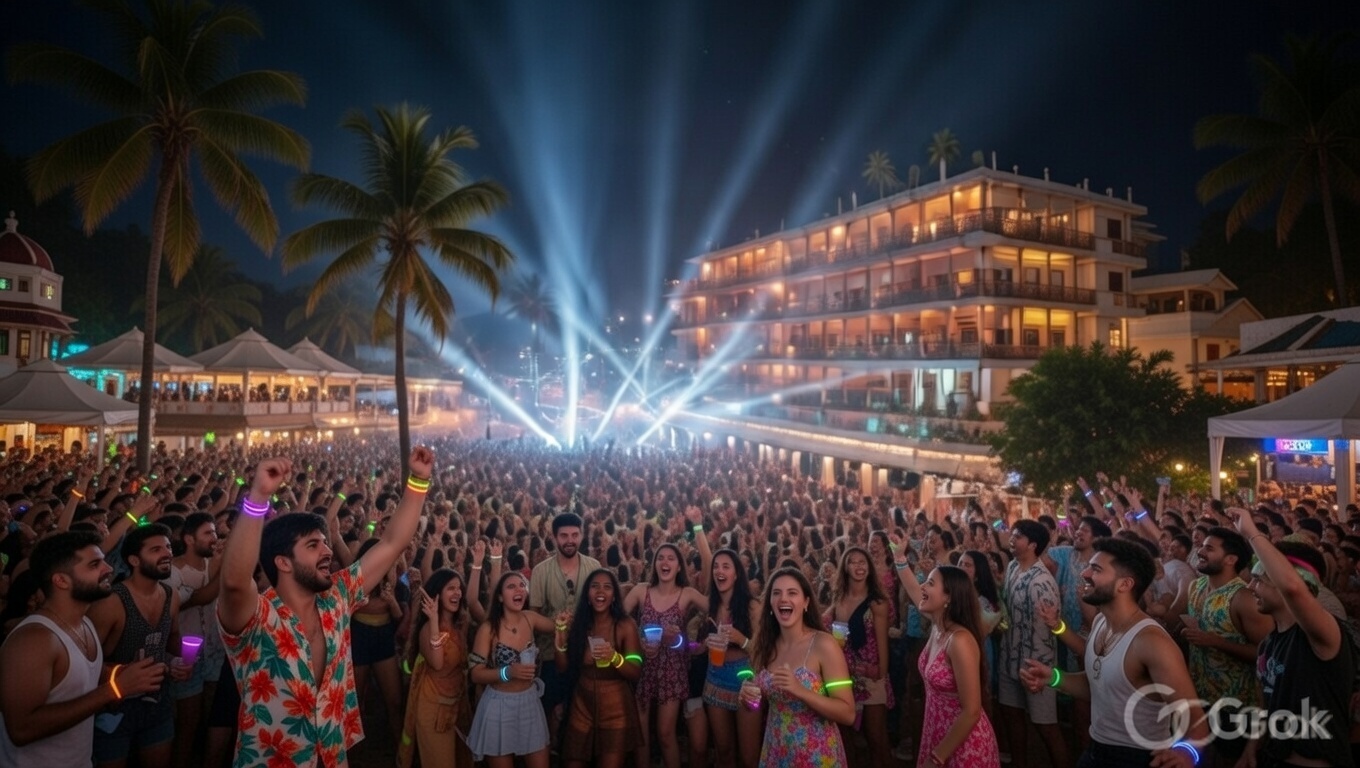
Equally renowned is Goa’s legendary nightlife. Areas around Baga, Calangute, and Anjuna come alive after sunset with beach clubs, live music venues, and international DJs performing at open-air parties. In contrast, South Goa offers a more relaxed evening scene, where visitors can enjoy cocktails at beachside lounges while watching the sun disappear into the sea.
Food plays an essential role in Goa’s identity. The cuisine reflects a unique Indo-Portuguese fusion, rich with spices and coastal ingredients. Signature dishes include fish curry rice, prawn balchão, and the tangy shark-based ambot tik. Traditional recipes such as vindaloo and sorpotel showcase Portuguese influences, while desserts like bebinca—a layered coconut milk delicacy—offer a sweet taste of Goan heritage. Local liquor such as cashew-based feni remains a distinctive regional specialty.
Colorful markets further enrich the travel experience. The lively flea market at Anjuna draws visitors with stalls selling clothing, jewelry, handicrafts, and souvenirs from across India and beyond. Meanwhile, the bustling Mapusa market offers fresh produce, spices, and traditional Goan ingredients that capture the flavor of the region.
The best time to visit Goa is between November and February, when the weather remains pleasant and ideal for beach activities. Monsoon months from June to September transform the state into a lush green paradise, attracting visitors who appreciate nature’s quieter side.
With its unique combination of beaches, culture, history, cuisine, and adventure, Goa continues to stand out as one of India’s most versatile travel destinations. Whether seeking thrilling water sports, vibrant nightlife, tranquil seaside retreats, or a journey through centuries of colonial heritage, travelers discover that Goa offers something for every kind of explorer—wrapped in the relaxed rhythm of its coastal spirit.