
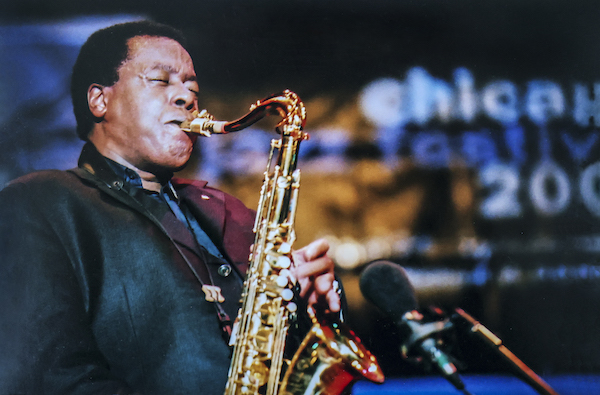
Los Angeles: Wayne Shorter, one of the most influential and innovative figures in modern jazz, passed away peacefully on March 2, 2023, in Los Angeles, California. He was 89. His publicist confirmed that he died at a hospital; no specific cause was publicly disclosed.
Born on August 25, 1933, in Newark, New Jersey, Shorter emerged as a visionary saxophonist, composer, and bandleader whose career spanned more than six decades. His artistry traversed hard bop, modal jazz, and fusion, reshaping the language of jazz at every turn. He began studying clarinet as a teenager before switching to tenor saxophone and later mastering the soprano sax, whose ethereal tone would become one of his signatures. After earning a degree in music education from New York University in 1956 and serving briefly in the U.S. Army, he performed with ensembles led by Horace Silver and Maynard Ferguson.
Shorter’s breakthrough came as a key member and musical director of Art Blakey’s Jazz Messengers from 1959 to 1964. During that fertile period, he composed enduring pieces such as “Lester Left Town,” “Children of the Night,” and “Free for All,” works that would become cornerstones of the modern jazz repertoire.
In 1964, Shorter joined Miles Davis’s legendary second great quintet, remaining until 1970. His contributions were pivotal to the group’s groundbreaking sound, and his compositions — including “Footprints,” “Infant Eyes,” “Nefertiti,” “Fall,” and “Pinocchio” — helped define a transformative era in jazz history. These works featured prominently on landmark albums such as Miles Smiles, Nefertiti, and Bitches Brew.
In 1971, Shorter co-founded the pioneering fusion ensemble Weather Report with keyboardist Joe Zawinul. Over more than 15 years, the group achieved both critical acclaim and commercial success. Shorter’s soprano saxophone lines and compositions, including “Palladium,” “Punk Jazz,” and “Elegant People,” were central to the band’s adventurous sound.

As a leader, Shorter built a formidable discography beginning in the 1960s with Blue Note Records. Albums such as Speak No Evil, JuJu, Etcetera, and Adam’s Apple are widely regarded as masterpieces. In later decades, he continued to evolve with ambitious projects like Atlantis, High Life, and the Grammy-winning Without a Net. Over the course of his career, he earned 12 Grammy Awards, including a Lifetime Achievement Award in 2015.
A deeply philosophical artist and longtime practitioner of Nichiren Buddhism, Shorter approached music as a spiritual journey — an ever-unfolding exploration rather than a fixed destination. He endured profound personal losses, including the death of his daughter Iska in 1985 and his wife, Ana Maria Patricio, in the 1996 crash of TWA Flight 800. Through grief, he remained steadfastly creative, channeling resilience into music that sought light, possibility, and transcendence.
Wayne Shorter’s enigmatic tone, harmonic daring, and melodic imagination transformed the course of jazz. His compositions remain staples of the global repertoire, and his fearless spirit continues to inspire musicians and listeners alike.
He is survived by family, friends, collaborators, and a worldwide community of admirers who will forever hear his voice in the music he created. His legacy endures — echoing through every note, every risk taken, and every boundary crossed in the name of discovery.