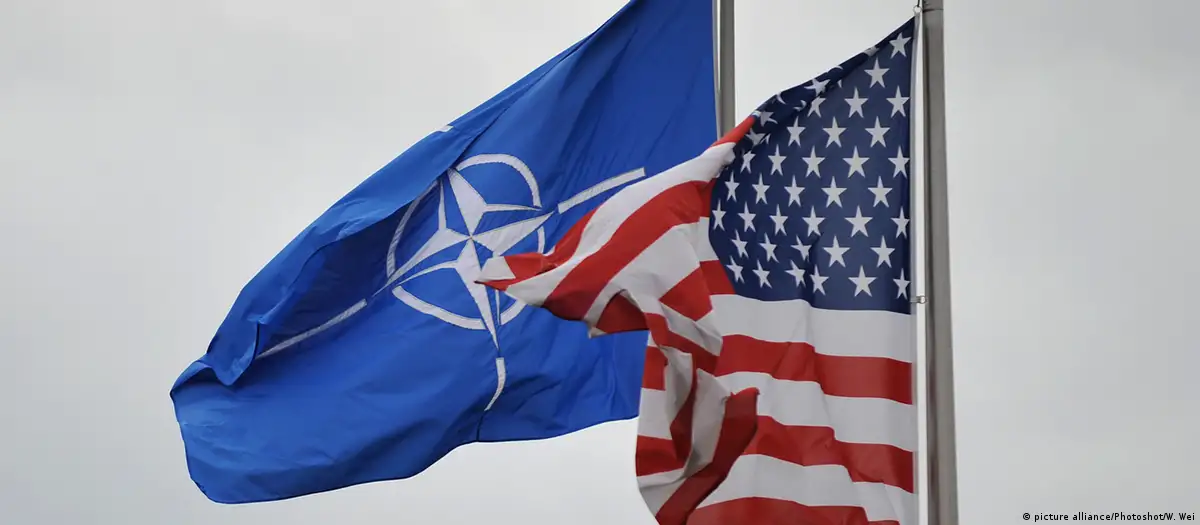
Washington, D.C. | A widening political divide in the United States over its commitment to the North Atlantic Treaty Organization is fueling intense debate in Washington, as lawmakers clash over the future of one of the world’s most significant military alliances.
Rising Friction in Washington
Concerns about burden-sharing and allied reliability have brought NATO back into the spotlight, triggering sharp disagreements among senior political leaders. Senate Minority Leader Chuck Schumer has firmly defended the alliance, warning against any move to withdraw.
Schumer underscored that exiting NATO would undermine decades of strategic cooperation and weaken global security. He also pointed to legislation introduced in 2023 requiring a two-thirds majority in the Senate for any withdrawal decision—effectively preventing unilateral action by any administration.
Rubio Signals a Shift
Senator Marco Rubio, once a staunch supporter of NATO, has recently adopted a more critical tone. While acknowledging that the alliance historically helped the United States project power and counter global threats, Rubio now argues that the partnership is becoming increasingly uneven.
He has raised concerns about what he sees as insufficient reciprocal support from some member states, particularly amid rising tensions involving Iran. According to Rubio, hesitation among allies to back U.S. military initiatives calls into question NATO’s effectiveness in its current form.
European Hesitation Adds Strain
Frustration in Washington has grown following reports that several European nations have limited cooperation with U.S. military operations. Countries such as Italy and Spain have reportedly declined requests related to base access and airspace use, while France has also imposed operational restrictions.
These developments have intensified scrutiny of America’s military footprint in Europe. Critics argue that maintaining extensive deployments may no longer be justified if allied support is uncertain during critical moments.

Strategic Concerns in Key Regions
Another flashpoint has been the reported reluctance of some NATO members to contribute naval forces to secure the Strait of Hormuz—a vital corridor for global energy supplies. Any disruption in the region could have far-reaching economic consequences, further raising the stakes of alliance coordination.
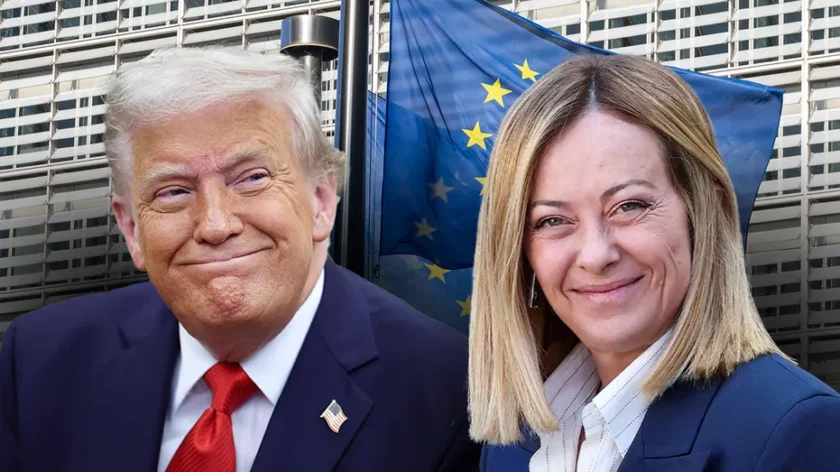
Former U.S. President Donald Trump has been particularly vocal, criticizing NATO members for what he describes as inadequate responses and questioning the alliance’s overall strength.
Debate Over NATO’s Future
Despite the growing tensions, there remains no clear consensus in Washington on the future of NATO. Earlier statements from Rubio suggest that rather than withdrawing, the United States may seek to pressure allies into increasing their financial and military contributions.
The ongoing debate reflects a broader reassessment of global partnerships as geopolitical realities evolve. While some leaders advocate preserving long-standing alliances, others are pushing for a more transactional approach centered on measurable commitments and shared responsibility.
A Defining Moment for Transatlantic Ties
As divisions deepen, the future of NATO has emerged as a central issue in U.S. foreign policy. The outcome of this debate will not only shape transatlantic relations but also influence the global security architecture in an increasingly uncertain world.
With rising geopolitical tensions and shifting alliances, Washington’s next steps could redefine the role of NATO for years to come.