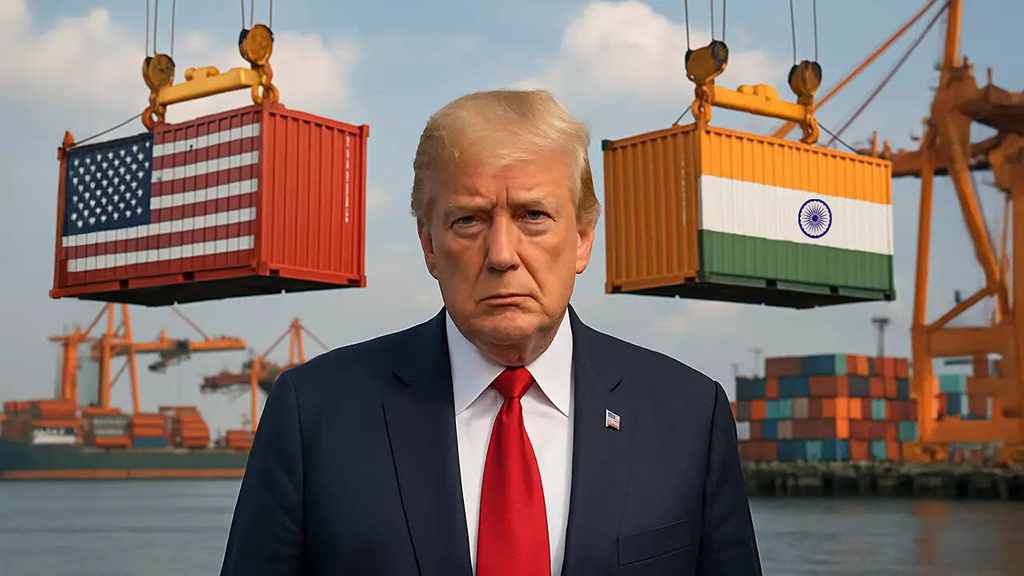
Washington: US President Donald Trump emphasized that tariffs would remain a cornerstone of his economic policy, signaling a firm commitment to reshaping global trade. Speaking in a year-end address on Wednesday, Trump framed import levies as a long-term strategy rather than a short-term negotiation tactic, attributing the growth of jobs, factories, and domestic investment to these measures.
“Tariffs,” Trump said, calling it his “favourite word,” have driven significant economic gains, with businesses returning to the United States in “record numbers” as locally produced goods are exempt from import taxes. He claimed that these tariffs have already fueled a “record-breaking $18 trillion of investment” into the country, linking trade restrictions to increased local production.
Trump warned that decades of trade policies favoring foreign exporters at the expense of US industry were over, stating, “If they build in America, there are no tariffs.” The remarks suggest that import inspections and tariffs could rise, particularly affecting key trade partners such as India, which exports pharmaceuticals, steel, aluminum, auto parts, chemicals, textiles, and IT products to the US.

The message is clear for Indian businesses: either increase manufacturing in the US or face higher trade costs. Beyond economic benefits, Trump positioned tariffs as a tool to fund tax cuts and domestic programs, including the “Warrior Dividend” for US military personnel. He also linked reshoring to national security, arguing that private-sector job creation strengthens American power.
While the US seeks to encourage domestic production, India views itself as a potential alternative manufacturing hub amid global supply chain shifts. Trade remains a sensitive aspect of US-India relations, despite growing collaboration in defense, technology, and supply chain diversification. Trump’s reaffirmation that tariffs will remain central underscores ongoing negotiations and discussions around trade policy and market access.