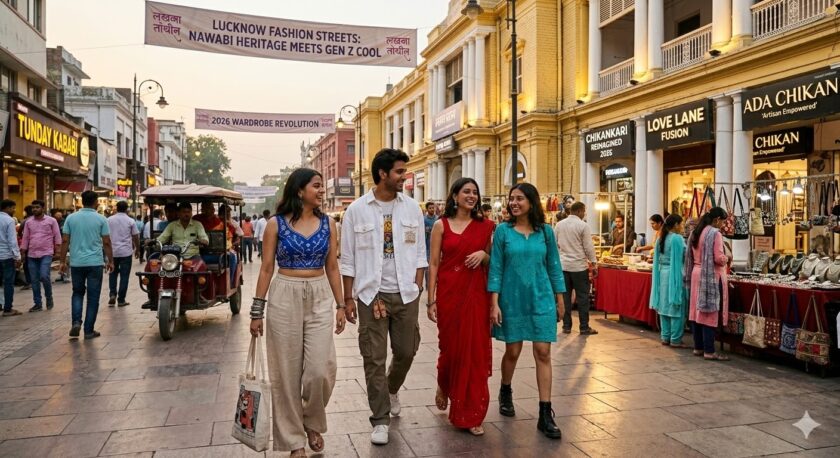
Lucknow: Lucknow, the eternal city of nawabs and nawabi tehzeeb, has solidified its position as India’s understated powerhouse of refined luxury in the fashion world over the past five years. Amid the rapid-fire trends of Delhi’s runway spectacles and Mumbai’s Bollywood glamour, Lucknow’s influence lies in its unhurried mastery of chikankari and zardozi—crafts that blend Mughal-era precision with contemporary sustainability. Over the past five years, the city’s handicrafts sector has not just survived global disruptions like the pandemic and economic shocks but has thrived, evolving into a global export darling.
“In the last five years, Lucknow has taught us that true fashion isn’t about speed; it’s about stories stitched into every thread,” says Asma Hussain, heir to Awadh’s royal legacy and founder of YUWA, an NGO that empowers over 5,000 women artisans in chikankari and zardozi. Her words capture the essence of a city where heritage meets hustle, powering an industry that employs lakhs and exports billions. This feature explores the five-year journey of resilience, innovation, and global ascendancy that cemented Lucknow’s status as a capital of conscious luxury.
Revival Amid Adversity: Post-Pandemic Momentum
The COVID-19 pandemic hit Lucknow’s artisan clusters hard in 2020, with lockdowns halting physical markets and supply chains. Yet, by 2021, the city’s craftspeople pivoted to digital resilience, marking the beginning of a robust recovery.
E-commerce platforms like Flipkart and Amazon became lifelines, connecting Chowk’s narrow lanes to urban India and beyond. House of Chikankari, a mother-daughter duo’s venture, scaled from local sales to producing over 1,000 handmade pieces daily by 2022, employing more than 10,000 artisans—90% women—from villages in Barabanki and Sitapur. “The pandemic forced us to go online, but it also showed the world our craft’s soul—delicate, enduring, and now accessible to millions,” shares founder Nazrana, whose brand featured in Flipkart’s “Unboxing Bharat 2.0” series, highlighting the journey from dhobi ghats to quality-checked packaging.
Zardozi, the opulent metal embroidery once reserved for royalty, saw a similar digital boom. In 2021, the Uttar Pradesh Handicrafts Development Corporation (UPHDC) launched virtual training modules, training 2,500 artisans in sustainable techniques. By 2022, exports of zardozi-embellished lehengas and sarees surged 25%, driven by collaborations with labels like Sabyasachi.
Artisan Zafar Ali, a third-generation zardoz from Chowk, notes the shift: “Pre-2021, we relied on weddings; now, with GI tags protecting our work since 2013 but amplified post-pandemic, we’re shipping to New York and Paris. It’s not just gold threads—it’s our survival woven in.”
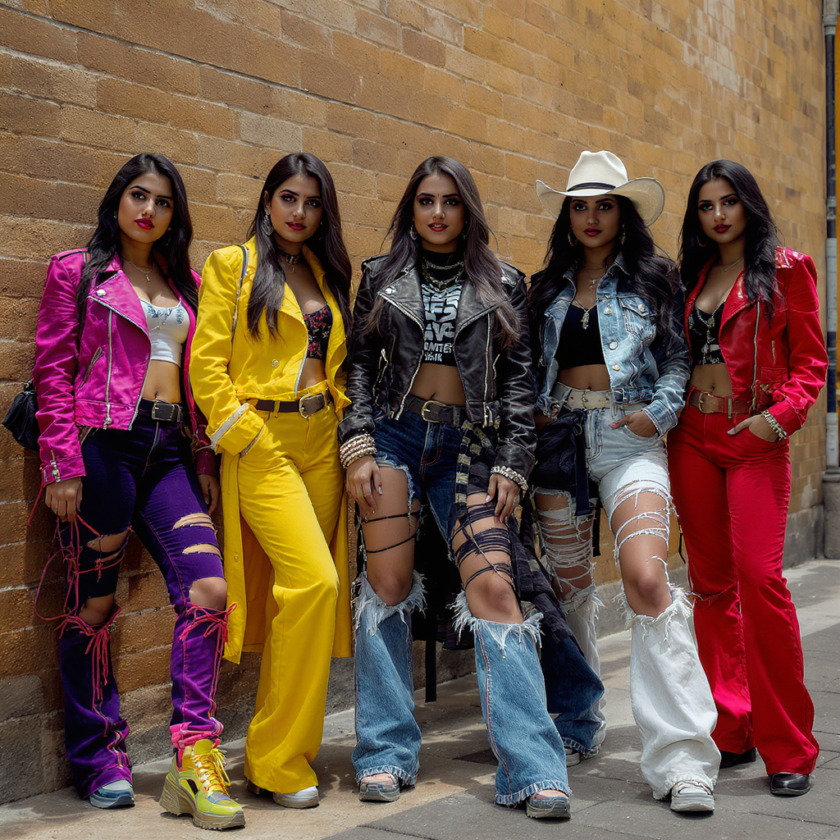
This period also saw the rise of fusion innovations, like zardozi on denim, blending Awadhi grandeur with streetwear.
Government interventions played a pivotal role. The One District One Product (ODOP) scheme, spotlighting Lucknow’s chikankari, generated ₹500 crore in sales by 2022 through dedicated portals like odopmart.up.gov.in. Events like the Uttar Pradesh Tourism Carnival in 2021 revived footfall, with stalls showcasing chikankari kurtas alongside Awadhi cuisine, drawing 50,000 visitors. This recovery was built on the back of digital platforms and government support, setting the stage for global recognition.
Global Spotlights and Celebrity Endorsements
2022 marked Lucknow’s breakout on international stages, as chikankari and zardozi caught the eye of global icons.
American supermodel Gigi Hadid stunned at the Met Gala in a sequin-laden chikankari saree hand-embroidered by Lucknow artisans, sparking a 40% spike in online searches for “Lucknow chikankari” worldwide. “Wearing Lucknow’s craft felt like honoring a living history—light as air, heavy with legacy,” Hadid posted on Instagram, her ensemble crafted by over 50 karigars in Nakhas market over three months.
This visibility fueled exports: India’s handicrafts shipments hit ₹29,391 crore (USD 3.48 billion) in FY 2024-25 (April-February), with Lucknow contributing 15% through chikankari and zardozi alone. Ada Chikan Designer Studio, a Lucknow-based label, reported a 60% revenue jump in 2023, exporting pastel kurtas and anarkalis to LA’s fusion wedding scene. Founder Inaya Khan explains: “From Coachella to bridal couture, 2025’s LA trends favor our breathable mulmul with jaali stitches—elegant yet effortless.”
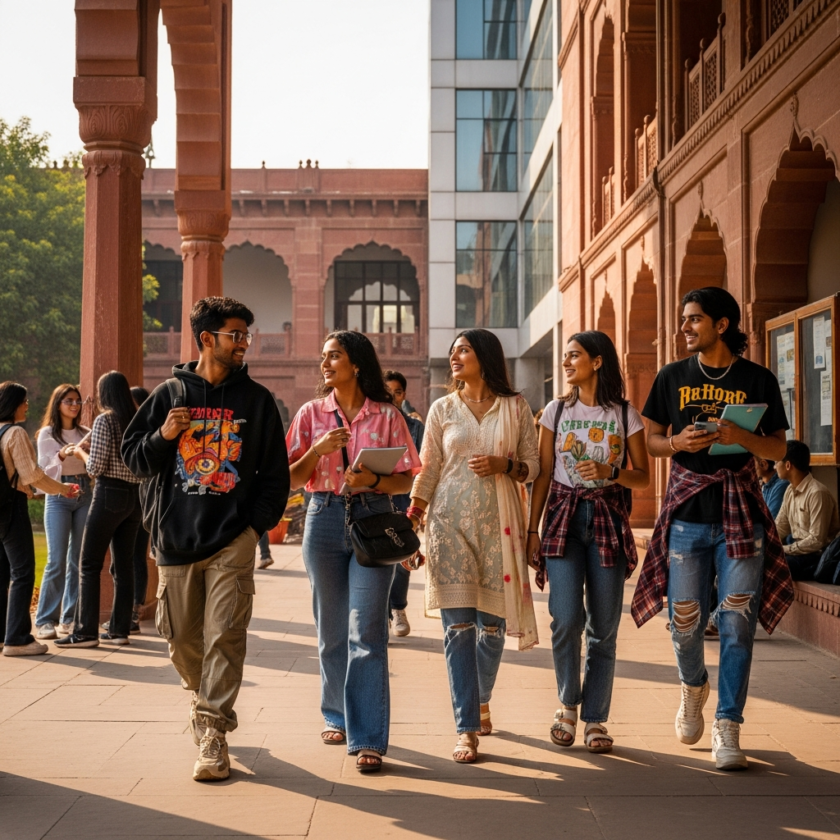
Influencers amplified this reach. Lucknow’s top digital voices, like fashion model Taha (1M+ followers), went viral with reels blending chikankari with athleisure, garnering 10M views in 2023. “Lucknow isn’t chasing trends; we’re setting them—one stitch at a time,” Taha shares in a collaborative post with Zero Tolerance, a heritage-modern label that fuses block prints with zardozi. By 2023, the city boasted 20+ fashion institutes, including Amity School of Fashion Technology, churning out 5,000 graduates annually trained in sustainable embroidery.

Challenges persisted, though. Demonetization’s echoes lingered, but 2023’s US tariff threats on imports loomed larger, prompting UPHDC to diversify markets to Europe and the Middle East. Artisan Mujtaba Kadri warns: “Tariffs could dry up orders, but our GI protection keeps the authenticity alive—we’re not fragile; we’re forged in resilience.” This celebrity endorsement and global stage presence marked the transition from a local craft to an international luxury textile.
Innovation and Sustainability Surge
Sustainability became Lucknow’s buzzword from 2023 onward, aligning with global eco-fashion waves. Designers experimented boldly: vibrant jewel tones on chikankari (emerald greens, deep reds) paired with velvet and organza, as seen in Nazrana Chikan’s 2024 collection. “We’re moving beyond white-on-white to bold palettes on eco-fabrics—chikankari on recycled silk reduces waste by 30%,” says Nazrana, whose pieces graced Lakmé Fashion Week.
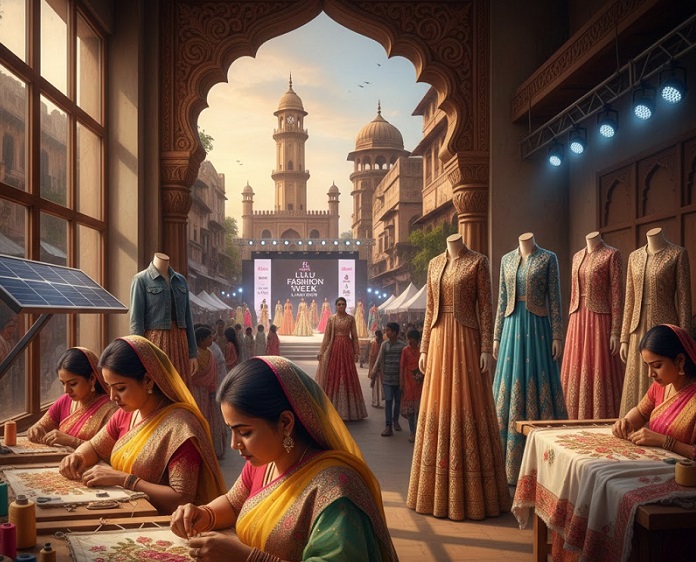
Zardozi artisans adopted green practices too. In 2024, the EU-India Textiles Ministry pact infused ₹85.5 crore into nine states, benefiting 35,000 Lucknow karigars with solar-powered workshops and organic metal threads. Faiz Baqar, a zardozi entrepreneur, highlights: “Government schemes cut our costs by 20%; now, we’re exporting pearl-embellished jackets to Paris, not just bridal wear.”
Fashion weeks amplified this. LuLu Fashion Week Lucknow 2024 featured 50 designers showcasing chikankari-streetwear fusions, drawing 20,000 attendees. Emerging labels like House of Kari dyed traditional pieces in indigo for Gen-Z, selling out via Instagram to London buyers. Farah Ansari, the brand’s founder, quips: “From nawabi courts to Coachella—our rust-hued ghararas prove heritage evolves.”
Stats underscore the boom: Lucknow’s chikankari-zardozi cluster employed 4.5 lakh artisans by 2024, generating ₹4,800 crore annually—up 15% from 2021—within India’s $4,565 million handicrafts market. Women-led ventures, like YUWA’s training for 1,000 rural embroiderers, empowered communities, with 68% of bridal lehengas still originating here. This period demonstrated a conscious shift towards ethical production without compromising on design.
2025: A Year of Global Dominance and Festive Flourish
As 2025 unfolds, Lucknow’s fashion scene pulses with optimism. Chikankari’s “cultural makeover” dominates runways, from Ada Chikan’s LA exports to Tarang Fest’s December showcase of 500+ stalls blending crafts with lifestyle. “2025 is chikankari’s global takeover—maxi dresses for boho vibes, anarkalis for weddings,” predicts Inaya Khan.
Influencers like Anas Affan Siddiqui (top 2025 Lucknow fashion voice) drive this, with reels on “neon zardozi” hitting 5M views. Events like Fashionista Lifestyle Exhibition and Christmas markets at Habibullah Estate fuse crafts with modernity, expecting 100,000 visitors. Amity University’s jute-craft visits train the next gen in sustainability.
Yet, threats like US tariffs loom, with artisans like Zafar fearing order dips. “Shocks come, but we adapt—our threads are tougher than tariffs,” he asserts. Lucknow’s designers are proactive, focusing on personalized luxury and direct-to-consumer models to mitigate potential economic friction.
The Enduring Thread: Why Lucknow Endures
Over 2021-2025, Lucknow’s fashion role has shifted from custodian of craft to catalyst of conscious luxury. Employing 7 million nationwide (56% women), its clusters like Chowk sustain dreams while exporting heritage.
As Tarun Tahiliani echoes: “Lucknow gives grace; in fast fashion’s chaos, that’s our superpower.” Himanshu Bajpai, a dastango (traditional storyteller), adds: “These stitches carry resilience—from housewives to runways, it’s a love letter to Awadh.”
In 2025, with projections of India’s handicrafts hitting USD 8,198 million by 2033, Lucknow isn’t just on the map—it’s redrawing it, one embroidered motif at a time. The city’s unhurried artistry is the very definition of true, timeless luxury, proving that some stories—and some stitches—are meant to last forever.