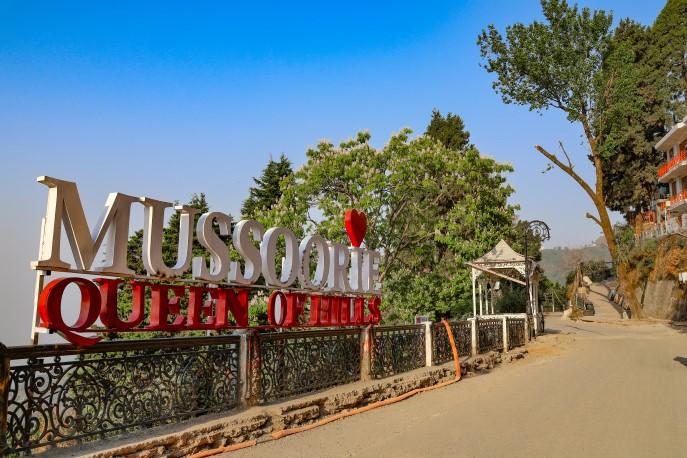
Dehradun: Perched at an altitude of nearly 7,000 feet in the Garhwal Himalayas, Mussoorie has long been celebrated as the “Queen of Hills.” Overlooking the sprawling Doon Valley to the south and framed by distant snow-clad Himalayan peaks to the north, this charming hill station remains one of India’s most beloved mountain escapes. With its cool climate, colonial heritage, and sweeping vistas, Mussoorie offers a timeless blend of natural beauty and nostalgic charm that continues to draw travelers from across the country and beyond.
The origins of Mussoorie date back to the early 19th century, when British officers discovered the area while searching for relief from the scorching heat of the plains. Captivated by its pleasant climate and scenic setting, they established a small settlement that gradually evolved into a thriving summer retreat during the British Raj. The town’s name is believed to have been derived from the “mansoor” shrub that once grew abundantly across the surrounding hillsides. Over time, elegant colonial buildings, churches, and cottages emerged along the winding ridges, leaving behind an architectural legacy that still defines the character of the town today.
At the heart of Mussoorie lies its most vibrant thoroughfare—Mall Road. This bustling yet charming promenade stretches across the town’s central ridge and serves as its social and cultural hub. Lined with colonial-era structures, quaint bakeries, cozy cafés, bookstores, and shops selling woolens and handcrafted souvenirs, Mall Road invites visitors to slow down and soak in the relaxed mountain atmosphere. The scent of fresh bread from old bakeries mingles with the crisp mountain air in the mornings, while evenings transform the street into a lively gathering spot illuminated by warm streetlights and laughter. Families stroll leisurely, couples pause to admire the glowing valley below, and tourists browse local sweet shops for treats like fudge and handmade chocolates. Much of the road remains pedestrian-friendly, allowing visitors to explore at a relaxed pace without the intrusion of heavy traffic.
One of Mussoorie’s most popular attractions rises just above the town. A short but exhilarating ropeway ride carries visitors to Gun Hill, the second-highest peak in the area. The cable car journey itself is an experience, gliding above rooftops and forested slopes while offering sweeping aerial views of the town and the vast Doon Valley below. At the summit, a viewing platform reveals breathtaking panoramas stretching across the Himalayan ranges. On clear days, snow-capped giants such as Nanda Devi and Bandarpoonch can be spotted shimmering on the distant horizon. Though small shops and eateries dot the hilltop, the real reward lies in the sweeping vistas—particularly at sunrise and sunset when golden light transforms the mountains and valleys into a magical landscape.
A short drive from the town center leads to another iconic attraction—Kempty Falls. Located about 15 kilometers away along the Yamunotri Road, the cascading waterfall has been a favorite excursion spot for over a century. Water plunges dramatically down rocky cliffs into a natural pool below, creating a refreshing oasis surrounded by lush greenery. Visitors descend a flight of steps to reach the base, where the cool, sparkling water invites a quick dip, especially during the warmer months. The falls were originally developed as a picnic site during the British era, and even today they retain the cheerful energy of a classic holiday outing. Vendors selling snacks, tea, and souvenirs add to the lively atmosphere, while the constant roar of water and misty spray create a refreshing retreat from the summer heat.
Beyond its well-known landmarks, Mussoorie offers numerous hidden gems and tranquil escapes for those willing to explore further. Camel’s Back Road, named after a rock formation resembling a camel’s hump, is a peaceful stretch ideal for walking or horse riding. The quiet road winds along the mountainside, offering spectacular views of the valley and glimpses of elegant colonial bungalows tucked among pine trees.

For panoramic Himalayan views, visitors often head to Lal Tibba, the highest point in the region. Equipped with telescopes, the viewpoint allows travelers to gaze at distant peaks and appreciate the vast scale of the surrounding mountains. Just a short distance away lies Landour, a quieter enclave that seems almost frozen in time. With its narrow lanes, charming churches, and colonial cottages shaded by towering deodar trees, Landour offers a peaceful contrast to the bustle of the main town.
History enthusiasts can also visit George Everest’s House, the former residence of the renowned British surveyor after whom Mount Everest was named. The hilltop location offers stunning views of the surrounding valleys and serves as a reminder of the region’s historical significance. Nature lovers, meanwhile, can explore the forested trails of Benog Wildlife Sanctuary, a quiet haven for birdwatchers and trekkers where Himalayan birds and rare flora thrive in protected forests.
Mussoorie’s charm shifts with the seasons, offering different experiences throughout the year. The months from March to June bring pleasant weather, with temperatures ranging from 15 to 30 degrees Celsius, making it the most popular time for sightseeing and outdoor activities. October and November offer crisp mountain air, clear skies, and fewer crowds, ideal for travelers seeking a quieter escape. Winter, from December to February, occasionally blankets the town in snowfall, transforming it into a serene Himalayan wonderland. Monsoon months between July and September drape the hills in lush greenery, though heavy rains and occasional landslides can make travel challenging.
Despite the passage of time and the growth of tourism, Mussoorie retains a timeless allure. Its colonial architecture, pine-scented air, and sweeping Himalayan views continue to captivate visitors just as they did nearly two centuries ago. Whether wandering along the lively Mall Road, soaring above the valley toward Gun Hill, or standing before the cascading beauty of Kempty Falls, travelers discover that Mussoorie is more than just a hill station. It is a place where history, nature, and nostalgia converge—an enduring mountain retreat that truly lives up to its regal title as the Queen of Hills.