New York: Manhattan, the beating heart of New York City, never truly sleeps. In February, the island takes on a crisp winter atmosphere, with occasional dustings of snow transforming streets and parks into cinematic landscapes. The city pulses with events—from Black History Month celebrations to the close of New York Fashion Week, leaving behind an electric air of creativity and culture. Seasonal festivities, cozy restaurant weeks, and Valentine’s Day energy add layers to the urban rhythm, creating a cityscape that is both vibrant and intimate.
The Brooklyn Bridge provides one of Manhattan’s most iconic vistas. Crossing from Brooklyn toward Manhattan, the suspension cables frame the glittering skyline, while the One World Trade Center rises above the horizon, a striking symbol of resilience. Early morning sees joggers, photographers, and commuters filling the wooden walkway, each step reverberating through the bridge’s historic structure. The panoramic view of Lower Manhattan reveals a city of contrasts—heritage buildings nestled beside glass-and-steel towers.
The Financial District anchors Manhattan’s southern tip with historical weight and architectural grandeur. The World Trade Center site, rebuilt after tragedy, stands as a testament to endurance. The 9/11 Memorial, with its twin reflecting pools etched with the names of the lost, draws quiet reverence even in winter. Nearby, the Oculus transportation hub captivates with its soaring arches and bright, dove-like interior, blending futuristic design with bustling functionality.
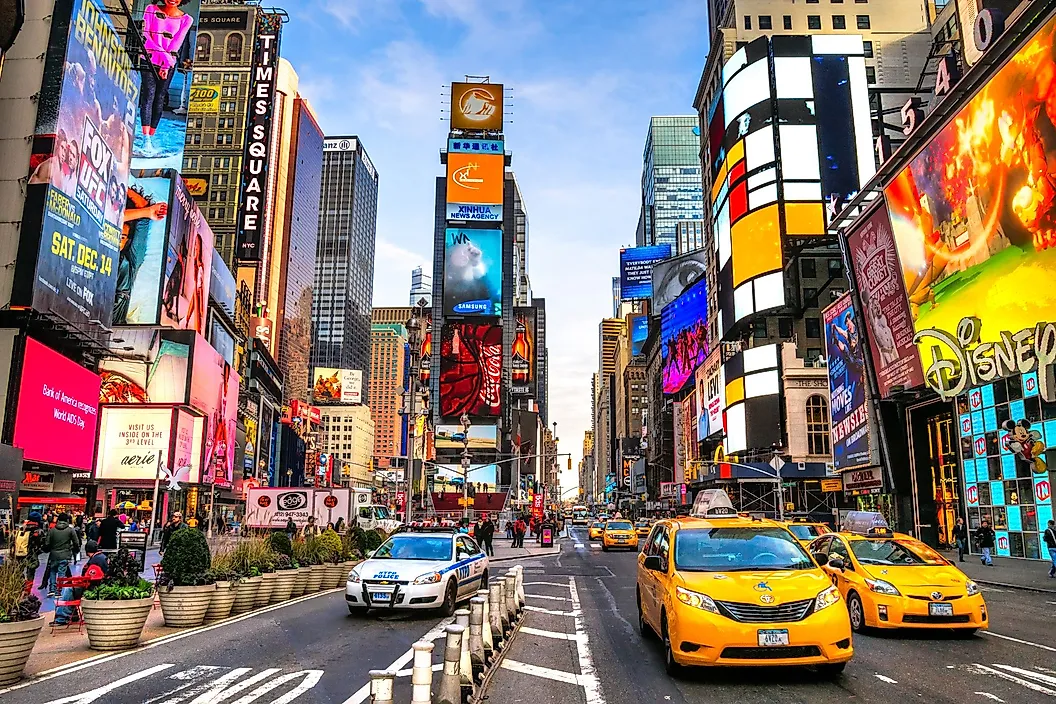
Manhattan’s neighborhoods offer a tapestry of contrasting atmospheres. Tribeca and SoHo showcase cobblestone streets, cast-iron façades, and contemporary galleries. SoHo, in particular, fuses the old industrial aesthetic with modern luxury, housing boutique shops and chic cafés that spill into sun-dappled streets. Midtown, by contrast, is a sensory overload: Times Square dazzles with relentless neon, crowded sidewalks, and costumed performers, epitomizing the city’s nickname as “the crossroads of the world.” Despite the sensory chaos, the area’s theaters offer refuge, hosting Broadway productions that provide a cultural heartbeat for residents and visitors alike.
For aerial perspectives, Manhattan’s skyline offers unparalleled vantage points. The Empire State Building’s 86th-floor observatory delivers sweeping 360-degree views. The Chrysler Building’s art-deco crown glimmers against the Hudson River, and the city’s endless grid of lights stretches into the distance, illustrating both scale and dynamism. Rockefeller Center’s Top of the Rock provides a complementary outlook, framing the Empire State Building with Central Park in the distance, creating one of the city’s most cinematic vistas.
Central Park stands as Manhattan’s green (or, in February, snow-dusted white) heart. The park’s 843 acres offer respite from the surrounding urban intensity, with landmarks such as Bethesda Terrace, Wollman Rink, and the Dakota Building adding character to the landscape. In winter, the park becomes a playground for skaters, cyclists, and families building snowmen, while tree-lined pathways and frozen lakes provide a stark contrast to the steel and glass surrounding it. Central Park exemplifies Manhattan’s ability to balance urban energy with natural calm.

Evenings in Manhattan highlight the city’s culinary and cultural diversity. Winter Restaurant Week brings seasonal prix-fixe menus to neighborhoods such as Hell’s Kitchen and the West Village, where contemporary and classic dining experiences coexist. The West Village enchants with tree-lined streets, jazz clubs, and historic brownstones, while Washington Square Park’s illuminated arch offers a serene counterpoint to the city’s bustling streets. These neighborhoods embody the character and charm that define Manhattan beyond its iconic skyline.
Throughout the island, Manhattan’s magic lies in its contrasts. Historic sites and modern architecture coexist, dense commercial corridors alternate with quiet parks, and each neighborhood has its own distinct pulse. The city’s 22.8 square miles compress an extraordinary diversity of experiences—arts, entertainment, history, and cuisine—into a single, walkable space. February adds a layer of seasonal intimacy, with snow flurries, crisp air, and shorter daylight hours creating an atmosphere both romantic and invigorating.
Manhattan’s enduring appeal stems from its capacity to combine grandeur with accessibility. The skyline, parks, theaters, and cafés are integral to its identity, offering multiple ways to experience the city. From Lower Manhattan’s reflective memorials to Central Park’s winter tranquility, from the neon spectacle of Times Square to the cultural sophistication of Broadway, the island consistently demonstrates its ability to reinvent itself while remaining unmistakably familiar.
The energy of Manhattan in February illustrates why it remains a global icon. Every street corner offers a story, every neighborhood a unique character, and every view a moment of wonder. The city’s winter palette—glittering skyscrapers, snow-laced avenues, and warmly lit cafés—creates a living canvas of urban life, inviting exploration without ever losing its heartbeat. Manhattan’s combination of scale, diversity, and seasonal charm ensures that it continues to captivate residents and visitors alike, offering experiences that are both overwhelming and profoundly memorable.
In Manhattan, the city’s pulse is inescapable. From sunrise over the Brooklyn Bridge to twilight atop Rockefeller Center, the island demonstrates a relentless dynamism balanced by pockets of reflection and serenity. Its streets, architecture, parks, and cultural institutions combine into a city that is both globally recognized and deeply personal. Manhattan, in all its winter grandeur, continues to embody the ultimate urban dream—forever evolving, yet eternally iconic.