
Lucknow: As the weather shifts from the chill to warmer days, an upscale residential pocket of Lucknow—Ashiana Sector L—became the epicentre of one of the most chilling domestic crimes in recent Indian memory. What unfolded inside a four-storey family home was not merely a murder. It was a patricide marked by calculated brutality, dismemberment, and a blue plastic drum that would soon become a grim national symbol of horror.
The case, quickly dubbed the “Blue Drum Murder,” sent shockwaves across Uttar Pradesh and beyond. Its savagery revived public memories of a similar “blue drum” case in Meerut in 2025, turning the phrase into grim shorthand for gruesome concealment killings. But what made the Lucknow case particularly disturbing was its intimate core: a son accused of killing his father inside their own home.
A Family of Success and Silent Tension
The victim, Manvendra Singh (also reported in some accounts as Manmendra Singh), was around 49–50 years old. A prosperous businessman, he owned multiple pathology laboratories—including Vardhman Pathology Lab in Kakori—and several liquor shops. His business empire afforded the family a comfortable life in one of Lucknow’s well-regarded localities.
On the surface, it was a portrait of upward mobility and achievement.
The accused, his son Akshat Pratap Singh, aged around 21, was a B.Com student and reportedly a NEET aspirant. Family expectations, according to investigators, weighed heavily on him. He was expected to clear the highly competitive National Eligibility cum Entrance Test (NEET) and pursue medicine. Reports suggest repeated failures or reluctance to commit fully to the exam deepened friction between father and son.
Yet, investigators later indicated that exam pressure may have been only one strand in a thicker web of resentment. Akshat allegedly believed he was ready to manage the family’s flourishing businesses. There were suggestions that he eyed the pathology labs and liquor outlets as his rightful domain. Beneath the surface of academic disappointment, there may have simmered disputes over control, inheritance, and autonomy.
The Night of the Killing
According to police reconstruction, the crime occurred in the early hours of February 20, 2026—around 4:30 a.m.
An argument reportedly erupted between father and son over NEET preparation. What followed was fatal. Akshat allegedly took his father’s licensed rifle and shot him dead on the third floor of the residence. His younger sister was said to have been present in the house and reportedly witnessed at least part of the incident.
From this point onward, the case veered into macabre territory.
Investigators say Akshat dragged the body downstairs to a vacant ground-floor room. Initial thoughts of disposing the body in the Gomti River were reportedly abandoned. Instead, he began orchestrating an elaborate cover-up.
Evidence of premeditation surfaced quickly. Delivery records revealed that two knives had been ordered via a quick-commerce platform a day before the murder. A saw and a large blue plastic drum were purchased from the market. Ten litres of kerosene were procured, allegedly for incinerating the remains.
Using the saw and knives, the body was dismembered. Police reports indicate that the legs were severed below the knees, both hands were cut off, and the head was decapitated. The torso was placed inside a sleeping bag before being stuffed into the blue drum. Some body parts were later disposed of near Sadrauna, approximately 21 kilometres from the city’s core. The head remained untraced in early reports.
The blue drum containing the torso was kept at the residence, possibly to delay suspicion or to plan further disposal.
The brutality stunned even seasoned investigators.
Suspicion, Discovery, and Arrest
Manvendra Singh was reported missing after February 20. As days passed, inconsistencies in family accounts drew police attention. Officers noted unusual calmness and contradictory statements. Digital footprints—WhatsApp activity, purchase records, and delivery logs—tightened the investigative net.

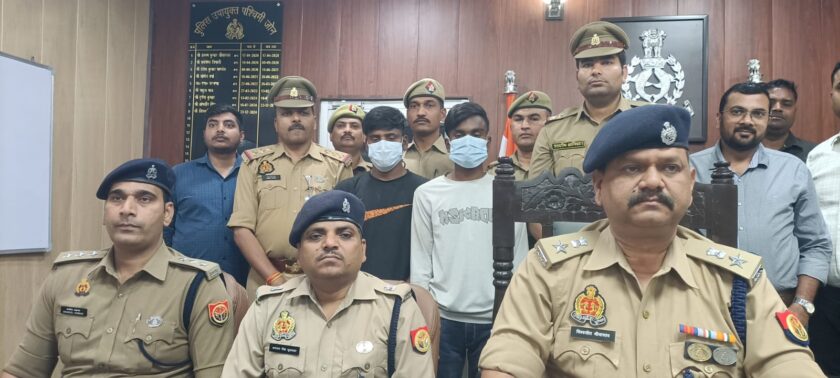
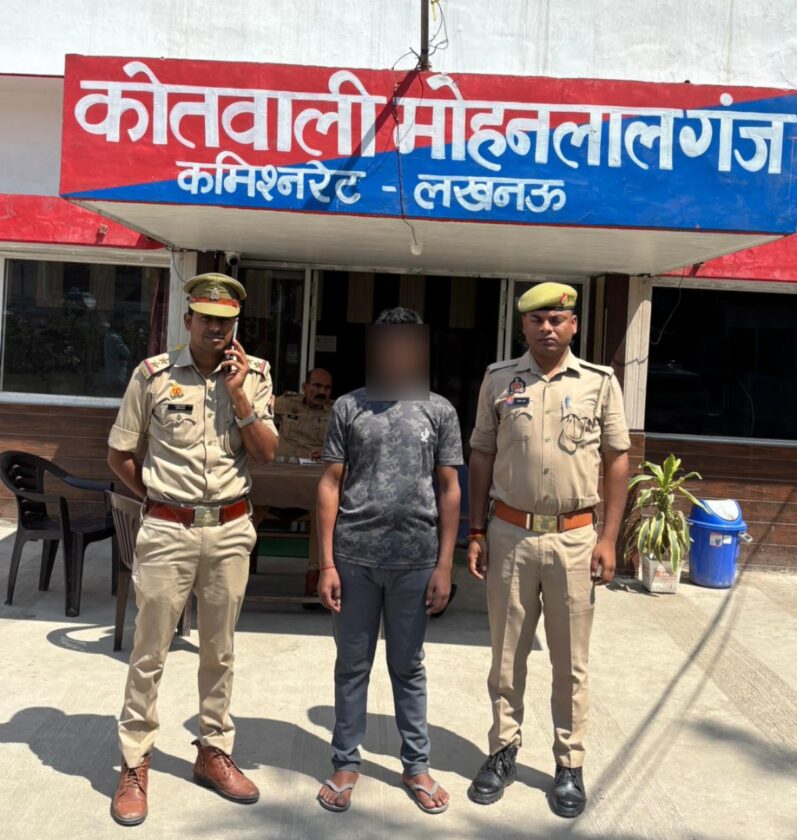
By February 23–24, Akshat had been arrested.
During interrogation, he reportedly confessed. Initially, he attributed the killing to exam pressure, describing it as a moment of rage—“galti se ho gaya,” or “it happened by mistake.” Yet the purchases made prior to the crime complicated the narrative of sudden impulse.
Authorities recovered dismembered remains from the drum and disposal sites. Crime scene recreations were conducted. Medical examinations followed. Forensic teams pieced together a sequence that suggested planning intertwined with rage.
Psychological experts weighing in publicly speculated about possible psychopathic traits, though formal assessments remained part of the ongoing investigation.
The “Blue Drum” Symbol and Public Reaction
The phrase “blue drum” quickly trended across social media, echoing the 2025 Meerut dismemberment case. Dark humour mingled with outrage. Memes proliferated, but so did serious conversations about mental health, exam stress, and the pressures faced by Indian youth navigating hyper-competitive systems.
Many drew parallels to cultural touchstones like the film 3 Idiots, which critiqued parental pressure and rigid career expectations. Others cautioned against oversimplification, arguing that the Lucknow case appeared to involve deeper financial and personal motives beyond academic stress alone.
The patricide element amplified the horror. Crimes within families carry a distinct emotional charge—shattering assumptions of safety and loyalty. The use of a licensed family firearm added another unsettling dimension.
Meanwhile, questions lingered: Could one individual alone execute such extensive dismemberment and disposal? Were there accomplices? Police indicated investigations into potential assistance or complicity were ongoing.
A Broader Reflection
The Lucknow Blue Drum murder forces uncomfortable reflection. It sits at the intersection of ambition, generational conflict, entitlement, and perhaps untreated psychological distress. In a society where academic achievement often defines worth, failure can become combustible. Add financial stakes, power dynamics, and fragile communication, and tensions can spiral catastrophically.
Yet it would be reductive to blame a single factor. The alleged premeditation—the purchase of tools, the kerosene, the disposal attempts—points toward intent layered beyond a fleeting argument.
As of late February 2026, Akshat remained in custody, with the Uttar Pradesh Police continuing their probe. The case is expected to proceed through a complex legal battle, with forensic findings, psychological evaluations, and digital evidence forming critical pillars.
An Enduring Image
In the end, it is the image of the blue drum that lingers—a banal household object transformed into a vessel of unspeakable violence. In Ashiana’s quiet lanes, where affluence once suggested security, the crime shattered illusions.
For Lucknow, the case is more than a headline. It is a stark reminder that beneath polished exteriors, unspoken resentments and pressures can fester. The Blue Drum murder will likely be studied not only as a criminal investigation but as a social case study—an unsettling mirror held up to modern India’s anxieties about success, inheritance, and identity.
And long after court proceedings conclude, the phrase “blue drum” may continue to evoke a February morning when a family home became a crime scene—and a city awoke to horror within.