Washington/Tehran | Amid ongoing diplomatic efforts, fresh tensions have flared in the strategically vital Strait of Hormuz, as the United States launched a major naval operation to clear alleged sea mines, prompting a sharp response from Iran.
US Claims Major Military Action
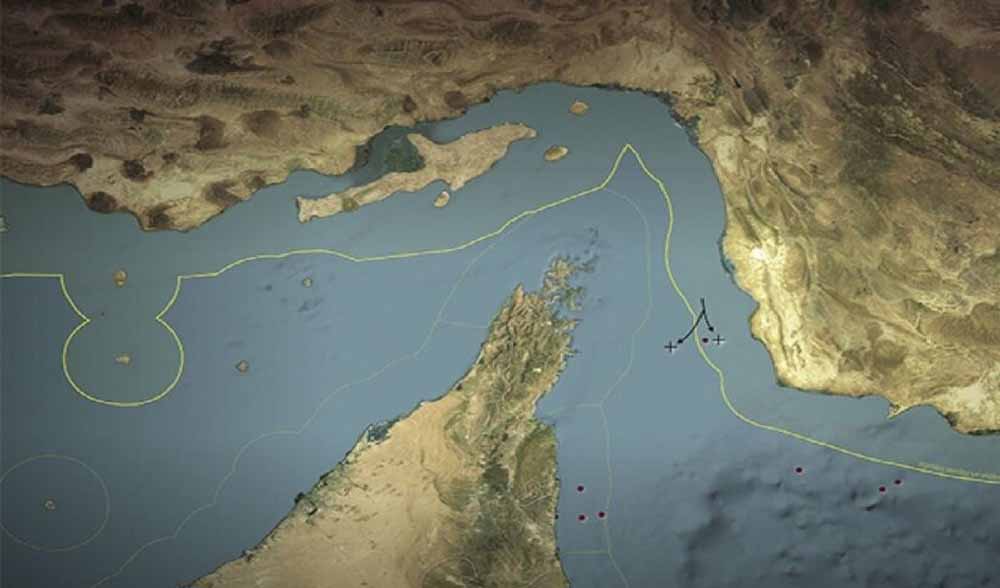
US President Donald Trump announced via social media that American forces had initiated operations to secure the Strait, a critical global oil transit route. He claimed that all 28 Iranian mine-laying vessels had been destroyed and now lie at the bottom of the sea.
Trump further asserted that US military operations had severely degraded Iran’s naval and air capabilities, while also inflicting significant damage on its ballistic missile and nuclear infrastructure. However, these claims have not been independently verified.
Naval Movement Raises Stakes
According to US media reports citing unnamed officials, multiple American naval vessels crossed the Strait of Hormuz without coordination with Iran—marking the first such move since the latest phase of tensions began.
The maneuver underscores Washington’s intent to maintain freedom of navigation in one of the world’s most sensitive maritime corridors, through which a substantial portion of global oil supply passes.
Iran Pushes Back
Iranian authorities swiftly rejected the US claims. State television warned that any hostile movement by American warships could trigger a military response within 30 minutes.
Reports from Iran’s semi-official Fars News Agency suggested that an American destroyer approaching the waterway from Fujairah was closely monitored and warned through intermediaries, including Pakistani channels. The vessel reportedly altered course following the warning.

Talks Underway in Islamabad
The developments come even as backchannel diplomacy gains momentum. Peace talks between the United States and Iran began in Islamabad, facilitated by Pakistan.
Sources indicate that initial exchanges have been indirect, with messages relayed through Pakistani officials. Direct talks could follow if early discussions yield positive signals.
The Iranian delegation, led by Parliament Speaker Mohammad Bagher Ghalibaf, arrived in Islamabad late Friday, while the US side is being represented by Vice President JD Vance, who reached the Pakistani capital on Saturday.
Fragile Balance Between Conflict and Diplomacy
The latest military posturing highlights the fragile balance between confrontation and negotiation in the region. While both sides are engaged in diplomatic outreach, actions on the ground—and at sea—suggest that mistrust remains high.
With the Strait of Hormuz serving as a lifeline for global energy supplies, any escalation could have far-reaching economic and geopolitical consequences.
As talks continue behind closed doors, the world watches closely to see whether diplomacy can outpace rising military tensions—or if the situation risks spiraling into a broader conflict.