Nainital: The moment the jeep’s engine growled to life at the Bijrani gate, a hush fell over our group. Dawn was breaking over Jim Corbett National Park, India’s oldest national park and the cradle of Project Tiger, nestled in the Himalayan foothills. The air carried the sharp scent of sal forests and dew-kissed earth. It was mid-March 2026, the cusp of summer—prime tiger-spotting season—when water sources shrink, and the wild converges around rivers, streams, and watering holes. Every rustle, every distant birdcall, seemed amplified in the delicate morning light.
Our guide, a soft-spoken veteran named Raju, pointed toward fresh pug marks etched into the dusty track. “Tigress with cubs passed here last night,” he whispered, voice barely above the hum of the engine. Hearts raced. Corbett isn’t just a park; it is 520 square kilometers of raw wilderness, where the Ramganga River weaves through grasslands, ridges, and dense woodlands, sheltering over 200 Bengal tigers, Asiatic elephants, leopards, sloth bears, and more than 600 species of birds. Every turn of the road hinted at secrets waiting to unfold.
We had arrived the previous afternoon in Ramnagar, the bustling gateway town. Safari jeeps jostled for space near the ticket office, and souvenir shops displayed miniature tiger figurines, pinewood carvings, and local textiles. After checking into a riverside resort with cottages overlooking the serene Kosi River, we booked our safaris well in advance—essential these days, with online permits required 45–90 days ahead for popular zones. The park is divided into zones like Bijrani, open mid-October to mid-June; Dhikala, the iconic core with expansive grasslands and river views; Jhirna and Dhela, accessible year-round; and Durgadevi and Sonanadi, each offering its own unique terrain and wildlife opportunities.
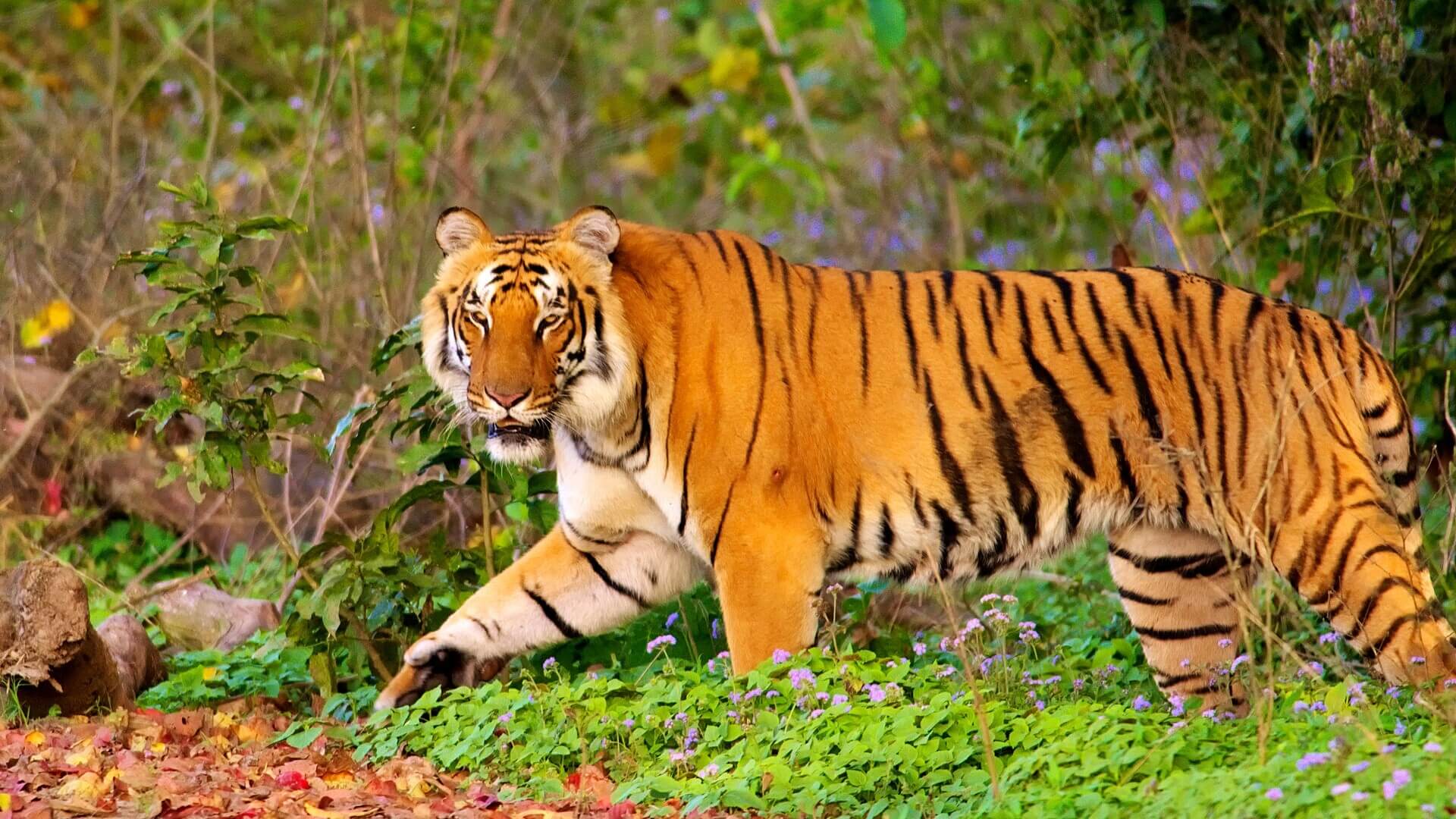
Our first safari took us through Bijrani, favored for its mix of open meadows, thickets, and winding forest trails. The jeep bounced along the track, stirring clouds of dust, while langurs chattered overhead and peacocks strutted through the undergrowth, tails fanned in dazzling iridescence. A herd of chital (spotted deer) grazed nervously near a waterhole, ears twitching with every sound. Then Raju killed the engine. Silence enveloped us. From the dense underbrush came a low, rumbling growl. A massive male tiger emerged, muscles rippling beneath golden stripes. He sauntered across the path, amber eyes locking with ours for what felt like an eternity, before melting into the sal thickets. Gasps turned to exhilarated whispers. One sighting, and the trip felt complete.
The afternoon took us to Dhela zone, where a different magic awaited. Golden light filtered through leaves, and a sloth bear ambled along, digging diligently for termites. Its shaggy coat was dusted with earth, and it seemed entirely unaware of our distant presence. Elephants trumpeted from afar, sending the ground vibrating beneath their immense weight, while a kingfisher, turquoise and electric, dived into a sparkling stream like a living arrow. These quieter moments—the rustle of leaves, the flash of a serpent eagle overhead, the gentle flow of the Ramganga where gharials basked on sunlit sandbanks—reminded us that the park’s wonders extend far beyond the allure of tigers.
Evenings at the resort were pure bliss. Bonfires crackled, sending sparks skyward as we swapped stories over steaming cups of garam chai and crisp pakoras. One night, a naturalist recounted the life of Jim Corbett, the legendary hunter-turned-conservationist whose tireless efforts rescued the tiger from near-extinction. His legacy echoed in every footprint we followed, in every cautious glance at the jungle’s edge, and in the meticulous care taken by the park to maintain its delicate ecosystem.

On day three, we ventured into Dhikala, arguably the park’s crown jewel. The road wound past elephant grass swaying like waves, the Ramganga glinting beyond, teasing glimpses of wildlife along its banks. We climbed the historic Dhikala Forest Rest House watchtower, an elevated perch offering panoramic views of the park. Through binoculars, we glimpsed a tigress lounging gracefully on the opposite bank, cubs tumbling playfully nearby. Binoculars passed hand to hand, reverent silence falling over the group. It was a perfect tableau of life in the wild.
Birdwatchers among us were in heaven. Great hornbills flapped overhead, scarlet minivets darted through branches, and migratory species lingering from winter added splashes of color to the dense foliage. Corbett’s biodiversity was overwhelming—over 50 mammal species, countless reptiles, and butterflies fluttering like living confetti. Each discovery deepened our appreciation for this mosaic of life, where predator and prey, flora and fauna, exist in delicate balance.
One offbeat highlight was a guided nature walk near Jhirna. Raju taught us to read pug marks, interpret alarm calls from deer, and identify medicinal plants long used by locals. We glimpsed Kumaoni culture through nearby villages, enjoying folk songs, handmade shawls, and warm hospitality that seemed as enduring as the forest itself. These interactions reminded us that conservation is not only about protecting wildlife but also nurturing the human communities intertwined with it.
As our final safari drew to a close, the sun dipped behind the hills, casting a fiery orange glow across the horizon. There were no dramatic chases, no heart-pounding hunts—just the quiet thrill of coexistence. We returned with dust on our clothes, camera cards full, and souls thoroughly recharged.
Jim Corbett National Park is not merely a destination; it is an immersion into India’s wild heart. Whether you chase stripes in the heat of March and April—when water sources shrink and tiger sightings peak—or savor misty winter mornings from November to February, with crisp air and lingering migratory birds, the park never fails to mesmerize. Book early, respect the rules, and let the jungle speak. In Corbett, every rustle holds the promise of a story, and every visit becomes a memory worth retelling.