
Lucknow: The Department of Nuclear Medicine at Sanjay Gandhi Postgraduate Institute of Medical Sciences (SGPGIMS) organised a national-level academic symposium at the H. G. Khurana Auditorium to commemorate its Foundation Day. The symposium, themed “Nuclear Medicine Renaissance: Frontiers in Molecular Imaging and Radionuclide Therapy (Theranostics)”, witnessed enthusiastic participation from clinicians, academicians and trainees from across the country.
The programme was inaugurated in the august presence of the Director and the Dean of SGPGIMS, who underlined the Institute’s continued commitment to advanced healthcare, research and innovation. Addressing the gathering, Director Prof. R. K. Dhiman said that nuclear medicine today stands at the intersection of precision diagnostics and targeted therapy, significantly redefining modern patient care.
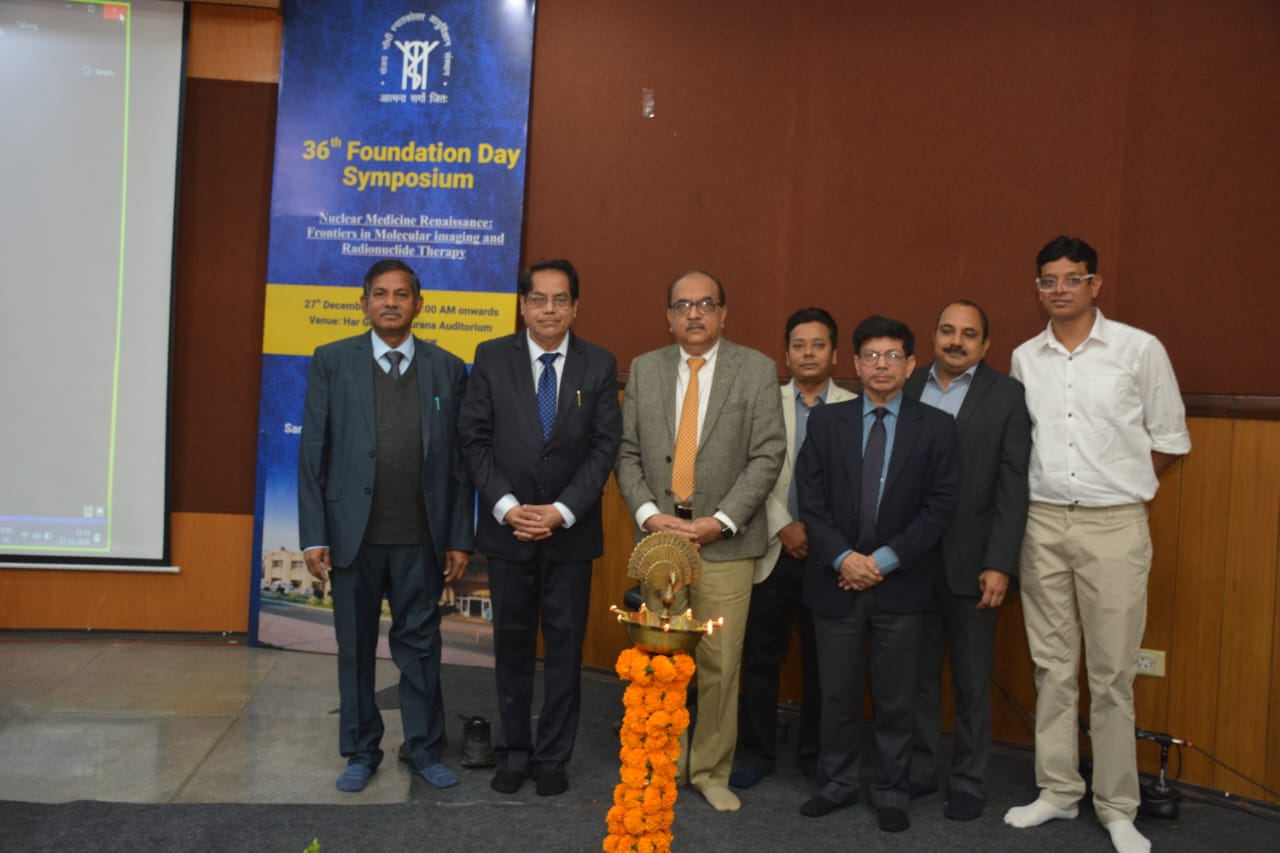
The welcome address was delivered by Prof. P. K. Pradhan, Head of the Department of Nuclear Medicine, who also presented an insightful overview of the department’s evolution. Tracing its journey since inception in the late 1980s, he highlighted key national academic milestones and clinical contributions, noting that the department’s growth reflects decades of dedication to academic excellence, innovation and patient-centric care.
A key highlight of the symposium was the Prof. B. K. Das Memorial Oration, delivered by renowned nuclear medicine expert Prof. C. S. Bal. Paying tribute to Prof. B. K. Das, a pioneer of nuclear medicine in India, Prof. Bal spoke on the evolution of radionuclide therapy and its future prospects, emphasising the transformative role of theranostics in enabling precise and personalised cancer treatment.

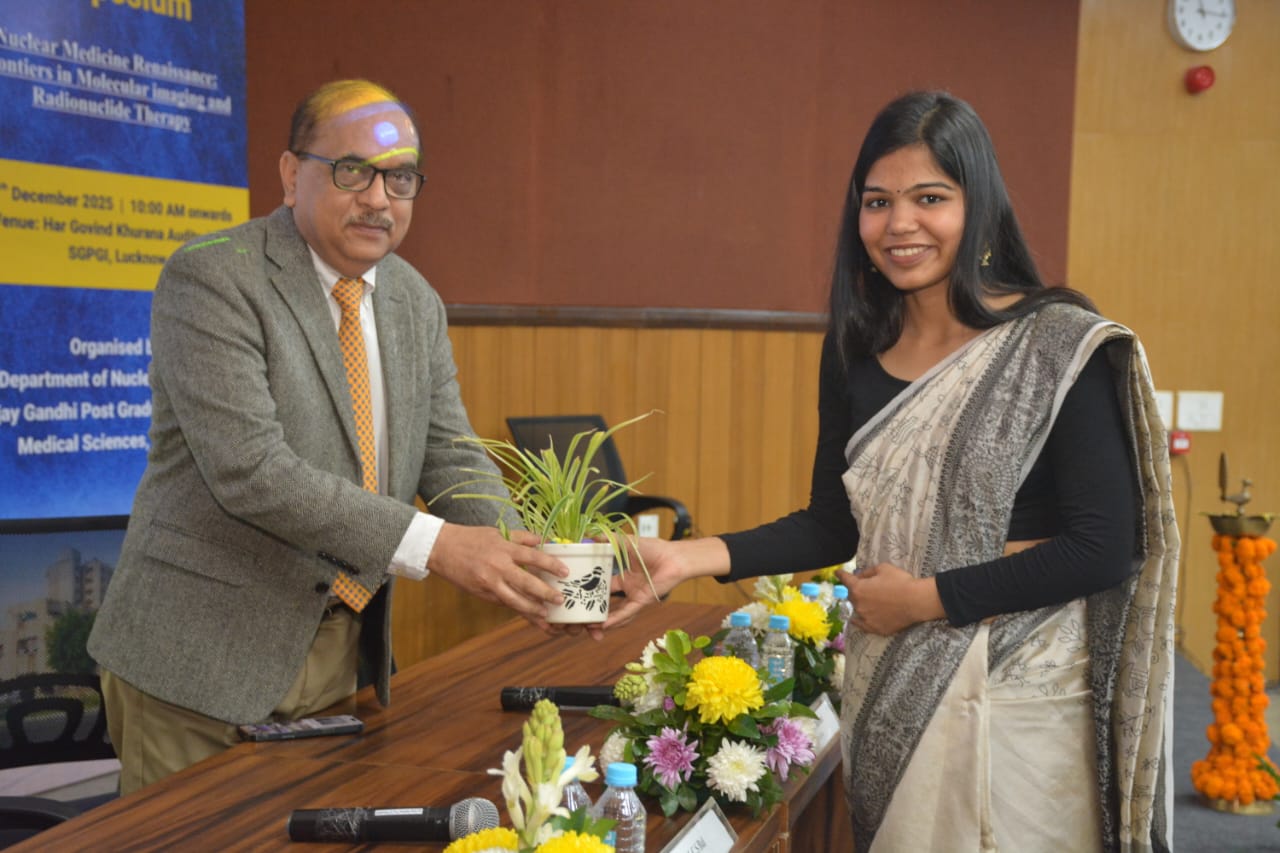
The scientific sessions covered a wide range of contemporary topics, including total-body PET imaging, recent advances in theranostics, updated approaches to thyroid cancer management and modern radionuclide therapies. An invited international lecture by Prof. Hongcheng Shi from Fudan University, Shanghai, shed light on global advancements in total-body PET imaging and its growing role in enhancing the accuracy and efficiency of theranostic applications.
The symposium also focused on strengthening understanding of theranostics, an emerging approach that integrates molecular imaging with targeted radioactive therapy, offering effective and minimally toxic treatment options for cancers such as prostate cancer and neuroendocrine tumours.
The programme concluded with a vote of thanks by Prof. Manish Dixit, who emphasised that such academic platforms are vital for knowledge exchange and for shaping the future of advanced medical care.