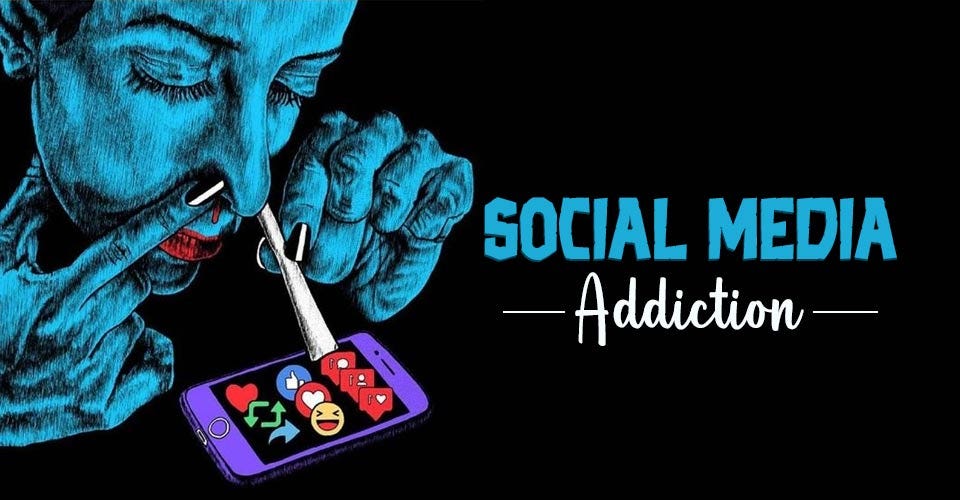
New Delhi: In today’s digital era, social media has become a powerful force, transforming how people access entertainment and information. However, platforms like Instagram, Facebook, and especially Reels are increasingly being seen as a “new addiction,” affecting users’ minds and behavior much like a substance dependency.
Why is this happening?
Short videos and Reels offer instant gratification, triggering the release of dopamine—a hormone associated with pleasure and reward—each time a user receives likes, comments, or views. This dopamine rush creates a cycle similar to addiction. Endless scrolling keeps users hooked, while the fear of missing out (FOMO) from seeing others’ curated lifestyles encourages repetitive checking of these platforms.
Impact on mental and physical health
Experts warn that excessive use of social media can have far-reaching consequences:
- Mental health: Constant comparison with others can lead to stress, anxiety, and depression. Rapid, short-form content reduces focus and attention span, sometimes referred to as digital dementia.
- Physical health: Late-night usage disrupts sleep patterns, and prolonged inactivity contributes to obesity and other health issues.
- Social and behavioral effects: Overuse can weaken real-life relationships and encourage risky behaviors as users chase likes and views.
- Productivity loss: Time spent scrolling reduces engagement with education, skill-building, and career development.
Solutions: Digital detox and mindful use
Experts recommend adopting strategies to curb overuse:

- Set time limits: Use screen-time controls to manage social media exposure.
- Engage in alternatives: Read, play outdoor games, or learn new skills during free time.
- Limit notifications: Reduce constant distractions from unnecessary alerts.
- Phone-free evenings: Keep devices away at least an hour before sleep.
At the family and educational level, encouraging open discussions about social media’s pros and cons, scheduling phone-free meals or evenings, and integrating digital literacy into school curricula can help create a balanced approach.
Policymakers and tech companies also have a role: platforms should prioritize user well-being over engagement metrics, while governments and institutions can promote awareness campaigns and research on social media addiction.
In India, with its large youth population and growing smartphone use, this issue is particularly pressing. Social media itself is not harmful—it is unregulated and excessive usage that poses risks. Awareness, balance, and professional help when needed are key to managing this 21st-century digital addiction.