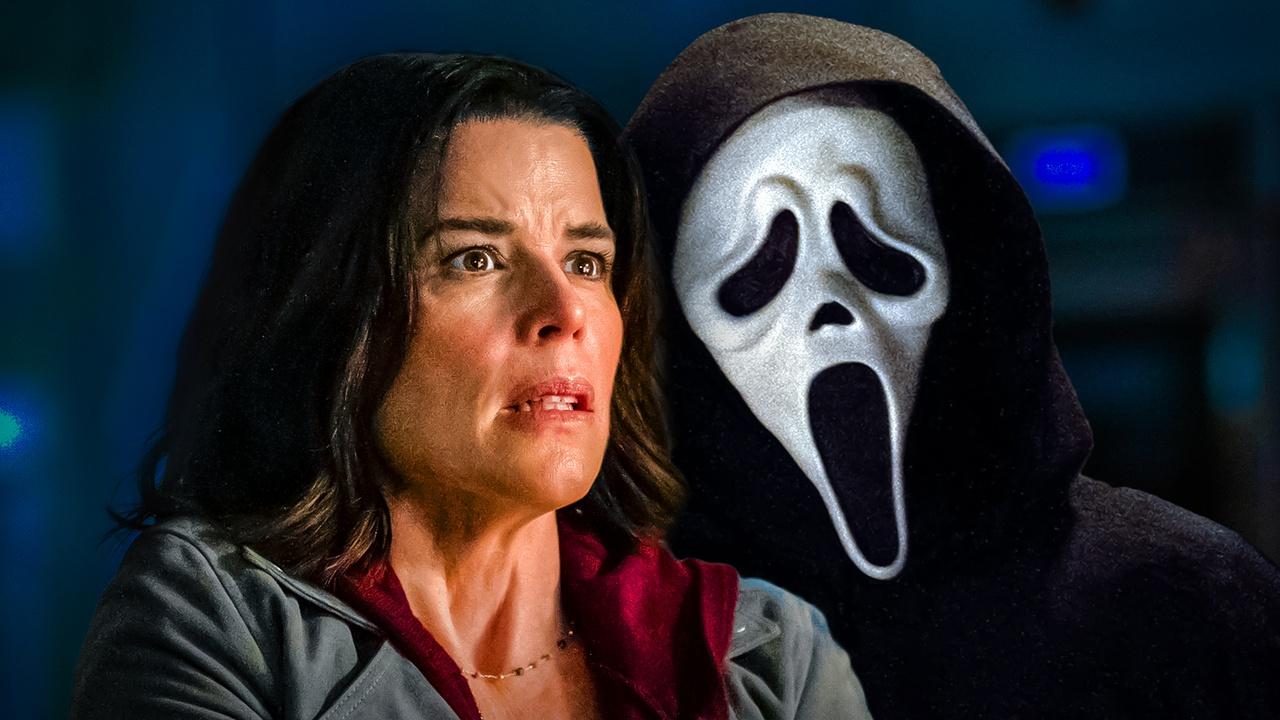
Washington: The Scream franchise, created by Wes Craven and Kevin Williamson, redefined the slasher genre with its meta commentary, witty dialogue, and self-aware twists on horror tropes. Spanning six films before the 2026 release of Scream 7, the series has chronicled recurring Ghostface killers terrorizing survivors motivated by revenge, fame, or deep-seated family secrets. With Craven’s passing in 2015 and Williamson stepping into the director’s chair for the first time, Scream 7 (released February 27, 2026) marks a significant milestone—returning Sidney Prescott (Neve Campbell) to the narrative forefront while honoring the franchise’s legacy.
Before diving into the newest installment, it’s helpful to revisit the franchise’s journey. Scream (1996) introduced Woodsboro, California, and the original Ghostface terrorizing teens on the anniversary of Maureen Prescott’s murder. Sidney Prescott, still grappling with her mother’s death, becomes the prime target. With the help of deputy Dewey Riley (David Arquette) and reporter Gale Weathers (Courteney Cox), she uncovers that her boyfriend Billy Loomis (Skeet Ulrich) and friend Stu Macher (Matthew Lillard) are the killers. Motivated by revenge and thrill, respectively, they meet their end at Sidney’s hands. Scream 2 (1997) brings copycat killers into Sidney’s college life, intertwining with the meta Stab movie. Mickey Altieri (Timothy Olyphant) seeks fame, while Nancy Loomis (Laurie Metcalf), Billy’s mother, pursues revenge. Sidney survives yet again, navigating a complex web of deceit. Scream 3 (2000) moves the action to Hollywood during the production of Stab 3. Roman Bridger (Scott Foley), Sidney’s half-brother, orchestrates Maureen’s murder in a twisted quest for revenge, and Sidney confronts familial betrayal while surviving the killer’s machinations. Scream 4 (2011) returns Sidney to Woodsboro on her book tour, as her cousin Jill Roberts (Emma Roberts) seeks fame akin to Sidney’s, aided by Charlie Walker (Rory Culkin). Celebrity obsession and ambition drive the horror, with Sidney surviving once more. Scream (2022, or Scream 5) introduces a younger generation: sisters Sam Carpenter (Melissa Barrera) and Tara (Jenna Ortega), alongside the Core Four—Mindy, Chad, and friends. The killers, Richie Kirsch (Jack Quaid) and Amber Freeman (Mikey Madison), are true-crime fanatics attempting to create a “better” Stab film. Legacy characters return, but Dewey dies. Finally, Scream VI (2023) relocates the Core Four to New York City, where Ghostface continues his vendetta. The killers—Detective Wayne Bailey (Dermot Mulroney) and his children—seek revenge for Richie’s death. Sidney is absent due to contractual reasons, though Gale survives. Across all entries, Scream has balanced meta-horror, sharp dialogue, suspenseful kills, and clever subversion of genre tropes—an inheritance Scream 7 seeks to honor.
Scream 7 brings the narrative back to Woodsboro, where Sidney Prescott, now Sidney Prescott Evans, has built a quiet life with her husband Mark (Joel McHale) and teenage daughter Tatum Evans (Isabel May). When a new Ghostface emerges, targeting Tatum, Sidney must confront her past horrors while protecting her family. Kevin Williamson’s directorial debut shifts the focus firmly onto Sidney, reestablishing her as the central figure. The film emphasizes the mother-daughter bond, Tatum’s peril, and the inherited trauma of surviving Ghostface. Returning legacy characters—Gale Weathers (Courteney Cox), Dewey Riley (David Arquette, appearing in flashbacks or archival footage), Stu Macher (Matthew Lillard, digitally reimagined), and Roman Bridger (Scott Foley)—tie the past to the present, while newcomers, including the Core Four (Jasmin Savoy Brown as Mindy and Mason Gooding as Chad), Mckenna Grace, Celeste O’Connor, Sam Rechner, Anna Camp, and Jimmy Tatro, populate the next generation, ensuring continuity and freshness.
The story’s premise is straightforward: Ghostface resurfaces in Woodsboro, Sidney’s past collides with her present, and Tatum faces life-threatening danger. The film pares down meta-commentary relative to Scream VI, focusing instead on suspense, personal stakes, and homage to original slasher conventions.
Williamson demonstrates an intuitive understanding of the franchise’s core strengths. Suspenseful sequences are well-choreographed, combining tight framing, clever camera angles, and precise editing to maximize tension. A standout scene—the home invasion catwalk sequence—showcases his ability to build dread with minimal exposition, relying on spatial awareness, sound cues, and timing to immerse the audience. Cinematography leans into familiar Woodsboro locales, employing moody lighting, shadows, and practical effects blended with modern digital techniques to render kills convincingly without excessive gore. The score, punctuated by Roger L. Jackson’s haunting Ghostface voice, heightens tension and delivers iconic “Hello, Sidney” chills. Unlike some previous entries, Williamson exercises restraint in the meta-narrative department. The film allows suspense, character arcs, and clever misdirection to drive the story. Twists remain serviceable, though seasoned fans may predict some reveals; the return of Stu via digital recreation adds novelty, though it occasionally risks feeling gimmicky.
Neve Campbell anchors the film, balancing maternal protectiveness with hardened survivor instincts. Her Sidney is no longer just a traumatized teen but a resilient, strategic parent—her gravitas and emotional range providing the film’s emotional core. Isabel May complements her as Tatum, whose courage, curiosity, and vulnerability heighten the stakes, creating a believable daughter-mother dynamic. Courteney Cox’s Gale remains sarcastic, savvy, and resourceful, providing both comedic relief and practical problem-solving. David Arquette’s Dewey, though largely appearing in flashbacks, delivers poignant reminders of past sacrifices. Matthew Lillard’s Stu Macher reappearance is both playful and eerie, offering nostalgia and tension simultaneously. The Core Four integrate seamlessly: Mindy and Chad provide continuity and mentorship to Tatum, grounding her in the franchise’s legacy. New characters—including Joel McHale as Mark Evans, Mckenna Grace, Celeste O’Connor, and Sam Rechner—offer additional depth, though some supporting roles are lightly sketched due to runtime constraints.

Narratively, Scream 7 revisits classic slasher themes: trauma, legacy, revenge, and survival, while layering in family dynamics for fresh tension. It emphasizes the consequences of past violence on subsequent generations and explores the burden of inherited trauma through Sidney and Tatum’s relationship. Unlike Scream VI, which leaned into the urban horror aesthetic of New York City, this installment returns to small-town Woodsboro, underlining the franchise’s roots and providing a nostalgic backdrop. Ghostface motives adhere to the franchise’s familiar patterns—revenge, notoriety, or familial grudges. The killers in Scream 7 remain menacing while integrated organically into the plot, avoiding convoluted schemes that previously distracted from character engagement.
The film’s strengths are clear: Sidney’s arc is central, layered, and emotionally resonant; the mother-daughter dynamic introduces fresh stakes; legacy characters return without overshadowing newcomers; suspenseful set pieces maintain tension; and the brisk 114-minute runtime ensures minimal filler. Weaknesses include predictable twists, the digital recreation of Stu occasionally feeling gimmicky, limited narrative innovation post-Scream VI, and underdeveloped supporting characters due to time constraints.
Early box office suggests strong performance, grossing over $104 million worldwide, demonstrating the franchise’s enduring appeal 30 years after the original. Critics praise the film for honoring Wes Craven’s legacy while providing accessible thrills, though some note it lacks the groundbreaking self-awareness that made earlier films revolutionary. Fan reactions highlight Campbell’s return, the suspenseful sequences, and the satisfying closure of Sidney’s arc.
Scream 7 is a crowd-pleasing, heartfelt installment that skillfully blends nostalgia with new energy. Kevin Williamson’s directorial debut respects the original vision while centering Sidney’s evolution into a resilient, protective mother. Bloody, witty, and tense, it offers fans a satisfying return to Woodsboro without overcomplicating the meta-horror elements. While it may not redefine the franchise or deliver audacious twists, it succeeds as a fun, emotionally anchored slasher film. For newcomers, the narrative is accessible, with careful recaps of the franchise’s history and clear stakes. For long-time fans, it offers satisfying callbacks, the thrill of Ghostface’s return, and the emotional weight of a legacy character finally taking center stage.
Rating: 4/5 — A thrilling, entertaining, and heartfelt continuation of the Scream saga; Sidney Prescott is back, wiser and stronger, proving that some Final Girls never lose their edge.