New Delhi: For more than three decades, Samsung has been a familiar name in Indian households, earning trust through televisions, home appliances, and smartphones known for durability and innovation. As technology enters a new phase driven by artificial intelligence, the South Korean tech giant is now preparing to redefine how it is perceived — not just as a hardware leader, but as a company equally synonymous with AI-powered experiences.
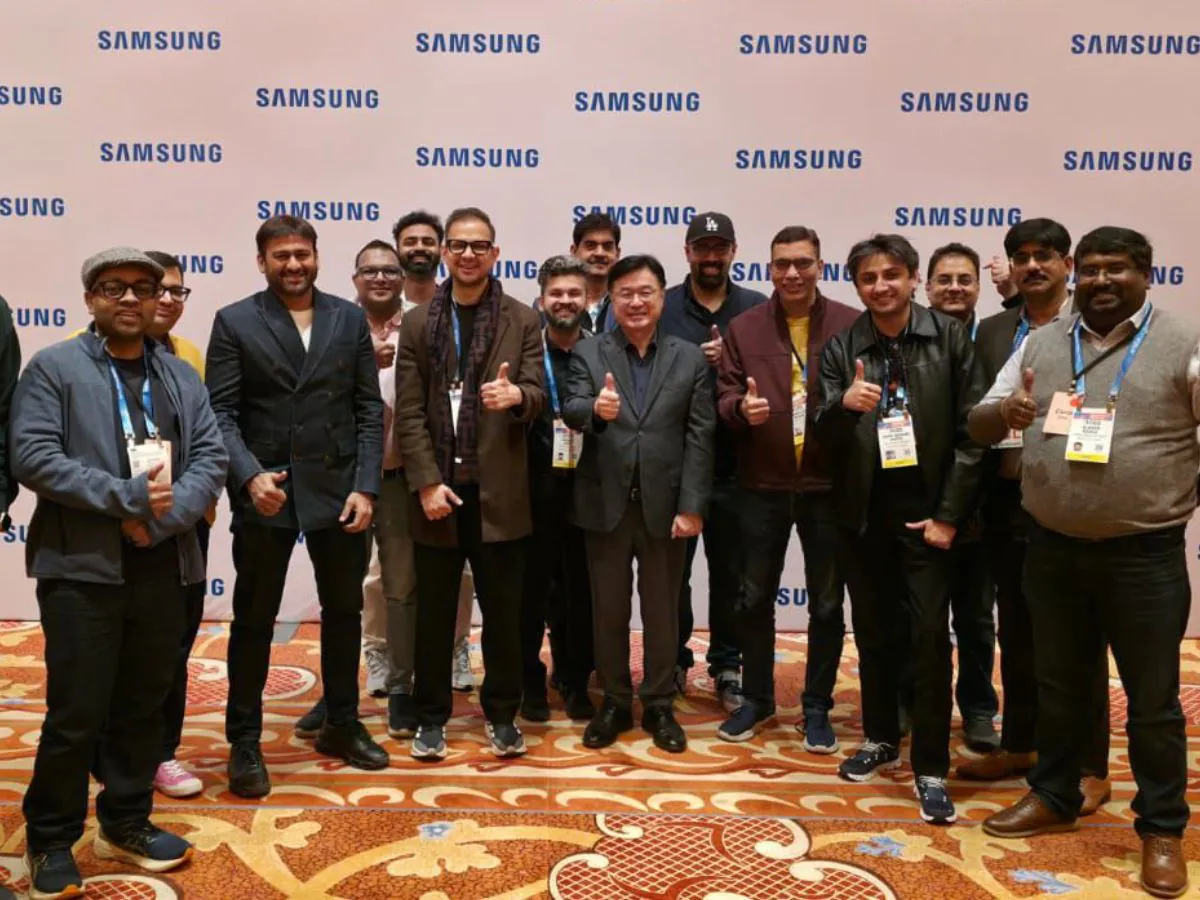
At CES 2026, JB Park, President and CEO of Samsung Southwest Asia, outlined the company’s long-term vision for artificial intelligence and explained how India plays a central role in this transformation.
From Hardware Excellence to AI Recognition
Samsung’s reputation has long been built on engineering and manufacturing excellence. Addressing how the brand plans to achieve similar recognition in AI, Park emphasized that the company’s approach is rooted in seamless integration rather than standalone features.
According to him, Samsung’s strategy focuses on embedding artificial intelligence across its entire product portfolio — from smartphones and televisions to refrigerators and washing machines. The idea is to make AI an invisible yet essential layer that improves daily life, rather than a complex technology users must consciously engage with.
Smart, Connected Homes Powered by AI
Starting in 2026, Samsung plans to ensure that all its premium home appliances are Wi-Fi enabled. This move allows devices to communicate effortlessly through the SmartThings ecosystem, connecting appliances with smartphones and TVs.
AI-powered features will help users monitor energy consumption, automate performance optimisation, and control devices remotely. For instance, appliances will be able to adjust operations based on usage patterns, helping reduce electricity costs while improving efficiency.
Privacy, a growing concern among consumers, remains a priority. Park highlighted that Samsung’s Knox Vault security platform will continue to safeguard user data, ensuring that AI-driven convenience does not come at the cost of trust.
AI Designed for Indian Homes
One of the most striking aspects of Samsung’s AI roadmap is its focus on India-specific use cases. Park explained that the company is tailoring artificial intelligence to reflect local habits, lifestyles, and cultural needs.
Washing machines, for example, are being trained to recognise delicate Indian garments such as sarees and adjust wash cycles accordingly. Refrigerators with large smart displays can suggest recipes based on stored ingredients and even communicate with connected microwave ovens to automate cooking processes.
Language accessibility is another key area. Samsung’s AI systems are being developed to understand and respond to multiple Indian languages and regional dialects, making voice commands more inclusive and intuitive for users across the country.

India’s Growing Role in Samsung’s AI Development
India is not just a consumer market for Samsung’s AI products — it is a major contributor to their creation. Park revealed that more than 10,000 engineers are currently working across Samsung’s research and development centres in Delhi, Noida, and Bengaluru.
These teams are involved in building AI-driven software architecture, advanced semiconductor technologies, and global solutions that serve markets far beyond India. Samsung Research Bengaluru, in particular, plays a role comparable to Silicon Valley in driving AI innovation for the company.
Indian engineers are contributing to both localised solutions and global platforms, reinforcing the country’s importance in Samsung’s future technology roadmap.
Making AI Simple and Accessible
Samsung’s vision for AI is rooted in simplicity. Tools like Bixby, SmartThings, and Knox Vault are designed to work together, allowing users to control devices easily while maintaining strong security standards.
AI-powered diagnostics in appliances will also help detect potential issues early, reducing repair costs and improving after-sales service. This proactive approach aims to enhance customer satisfaction while extending product life cycles.
Looking Ahead to 2026
Park expressed optimism about growing consumer interest in AI-enabled products. As awareness increases, Samsung plans to expand its trade-in and upgrade programmes across smartphones, televisions, and home appliances, making advanced AI technology more accessible.
By blending intelligent software with trusted hardware, Samsung hopes to build an AI identity that stands alongside its legacy in consumer electronics.
For Samsung, the future in India is clear: artificial intelligence will not replace its hardware story — it will complete it.