Sambhal: This year, Holi celebrations in Sambhal are set to extend beyond local neighborhoods and community squares to include 68 newly revived pilgrimage sites, marking a historic first for the district. Social organizations claim that for the first time, a synchronized festival of colors will be celebrated at all these sacred spots, while authorities have also implemented a strong security framework to ensure peace.
A New Chapter of Pilgrimage Celebrations
The Nagar Hindu Sabha, Tirth Parikrama Committee, and various temple committees have jointly planned rituals involving morning prayers, afternoon gulal offerings, and evening lighting ceremonies at 68 pilgrimage sites and 19 traditional kunds (sacred water tanks). Cultural programs and bhajan sessions for children have also been scheduled. Temple priests emphasized that this collective celebration of colors will serve as a way to share the joy of these rejuvenated sacred sites with the wider community.
District Divided into Three Security Sectors
The district administration has granted permission for 64 processions across Sambhal. To ensure effective management, the district has been divided into three security sectors. Magistrates have been deployed across 17 police stations, while 27 Quick Response Teams (QRTs) will remain on alert 24/7. According to District Magistrate Dr. Rajendra Pensia, detailed plans including routes, schedules, and codes of conduct have been finalized in coordination with the Aman Committee. Processions will move in box formations, with police presence at the front, rear, and sides to prevent rumors or provocation.
Heightened Security Amid Sensitive Context
Following protests in some parts of Sambhal after the death of Ayatollah Khamenei in the Iran-Israel-US conflict, authorities have imposed Section 163 to maintain public order. Superintendent of Police Krishna Kumar Bishnoi stated that over 1,000 potential troublemakers have been monitored. Security deployment includes three companies and two platoons of PAC, Rapid Reaction Forces, over 200 color marshals, and senior officers including ASPs, COs, ADMs, and SDMs. More than 250 CCTV cameras will monitor procession routes and key intersections, coordinated via the Integrated Command & Control Center, with drone cameras keeping watch over crowds. Special attention is being given to routes passing through sensitive areas and near Jama Masjid. The administration has maintained dialogue with all stakeholders, emphasizing that the goal is a peaceful and dignified celebration.

Gulal Supply Extends Across 12 States
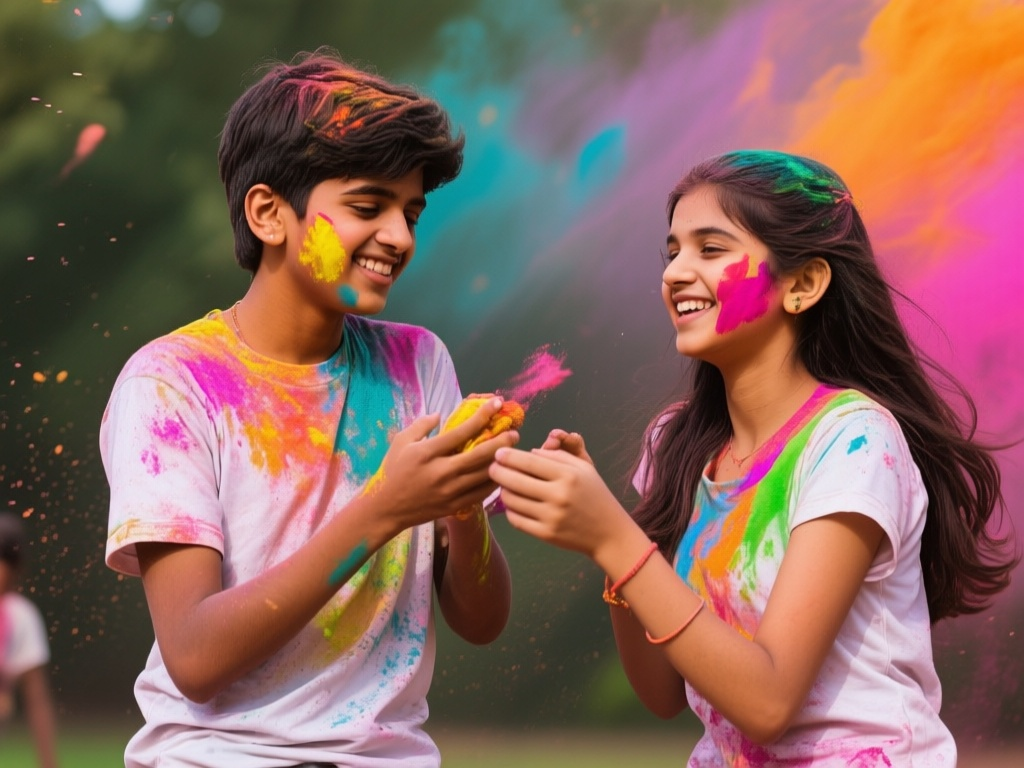
A prominent color manufacturer in Sambhal has produced gulal on a large scale this year, including special scents like sandalwood, rose, kewra, and chocolate-mint. For children, skin-friendly, non-toxic colors made from corn flour and food-grade dyes have been prepared. The company reports supply to 10–12 states, including high demand in Ayodhya, Kashi, and Mathura. Local markets are vibrant with shades of saffron, pink, green, and turquoise. For the first time, gulal pichkaris have been introduced to increase the use of dry colors.
Cultural Revival and Administrative Oversight
Organizers emphasized that the Holi celebrations at 68 pilgrimage sites are not just a festival but also a cultural revival, with morning conch blowing, collective aarti at noon, and evening lamp-lighting ceremonies. In mixed-population areas, events will be conducted under strict CCTV surveillance and police monitoring. All processions have fixed timings, decibel limits for DJ music, and increased social media monitoring. Authorities have warned of strict action against anyone spreading rumors.
Superintendent Bishnoi reiterated that Holi is a festival of brotherhood, urging people to ignore rumors and report any suspicious activity. Aman Committees have appealed that processions adhere to approved routes and timings. Sambhal is navigating a dual challenge this year: the excitement of celebrating colors at 68 pilgrimage sites for the first time, alongside maintaining peace in a sensitive context. Preparations reflect that both the administration and organizers consider this a matter of prestige and public trust.