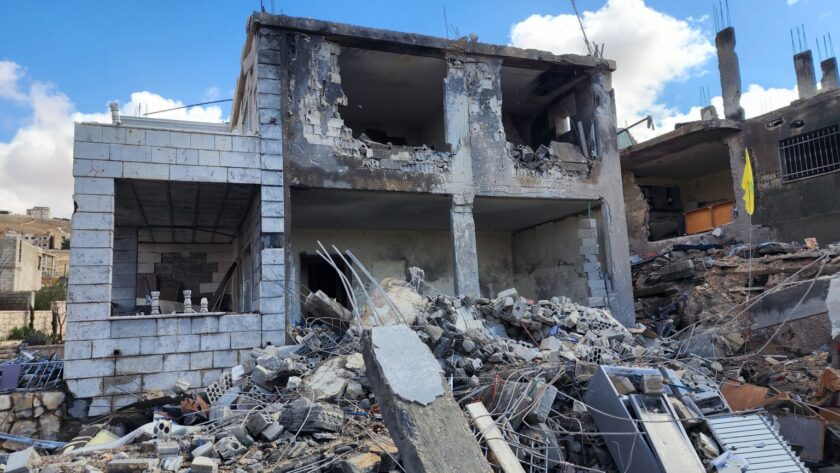
Moscow | In a significant yet cautious development amid ongoing global tensions, Russia and Ukraine have agreed to a temporary ceasefire, offering a brief window of relief in a conflict that has stretched into its fifth year.
Russian President Vladimir Putin announced a 32-hour halt in military operations to mark the Orthodox Easter holiday, stating that Russian forces would suspend attacks from 4 pm on April 11 until the end of April 12. The announcement was confirmed by the Kremlin, which expressed hope that Ukraine would reciprocate the gesture.
A Symbolic Pause for Easter
The ceasefire coincides with Orthodox Easter, one of the most important festivals in the Christian calendar. Celebrated according to the Julian calendar, Easter falls on April 12 this year in both Russia and Ukraine.
Framing the move as a humanitarian gesture, Moscow indicated that the pause was intended to allow civilians a moment of peace during the religious holiday. However, officials stopped short of suggesting any long-term de-escalation.
Ukraine Responds with Cautious Support
Ukrainian President Volodymyr Zelenskyy responded positively but cautiously, reiterating that Kyiv has consistently supported temporary ceasefires during significant religious observances.
“Ukraine has repeatedly proposed a ceasefire during Easter and remains ready to act in a reciprocal manner,” Zelenskyy said, adding that the country hopes for “a real step toward peace” beyond symbolic gestures.
He also emphasized that civilians deserve a holiday free from fear and violence, while urging Russia to consider extending the pause beyond Easter.

Mediation Efforts and Strategic Context
The ceasefire announcement follows renewed diplomatic efforts reportedly facilitated by the United States, which has been acting as an intermediary between Moscow and Kyiv. Earlier proposals included a mutual halt on attacks targeting energy infrastructure—an idea that appears to have influenced the current decision.
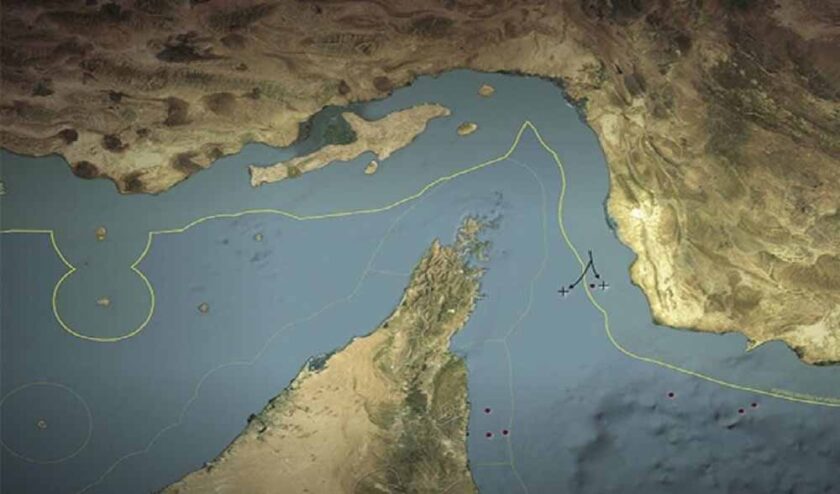
The development comes shortly after a separate ceasefire understanding between the United States and Iran, raising hopes of a broader, albeit fragile, easing of global conflicts.
War Enters Fifth Year
The Russia–Ukraine war, which began in 2022, has had far-reaching geopolitical and economic consequences, impacting energy markets, global supply chains, and international security dynamics.
While the Easter ceasefire offers a temporary reprieve, analysts remain skeptical about its long-term implications. Previous short-term truces have often been followed by renewed hostilities, underscoring the fragile nature of such agreements.
Uncertain Road Ahead
The key question now is whether this brief pause can pave the way for more sustained peace efforts or remain a symbolic gesture tied to a religious occasion.
With both sides maintaining cautious positions, the coming days will determine whether this ceasefire marks the beginning of a broader de-escalation—or merely a short-lived lull in a protracted conflict.