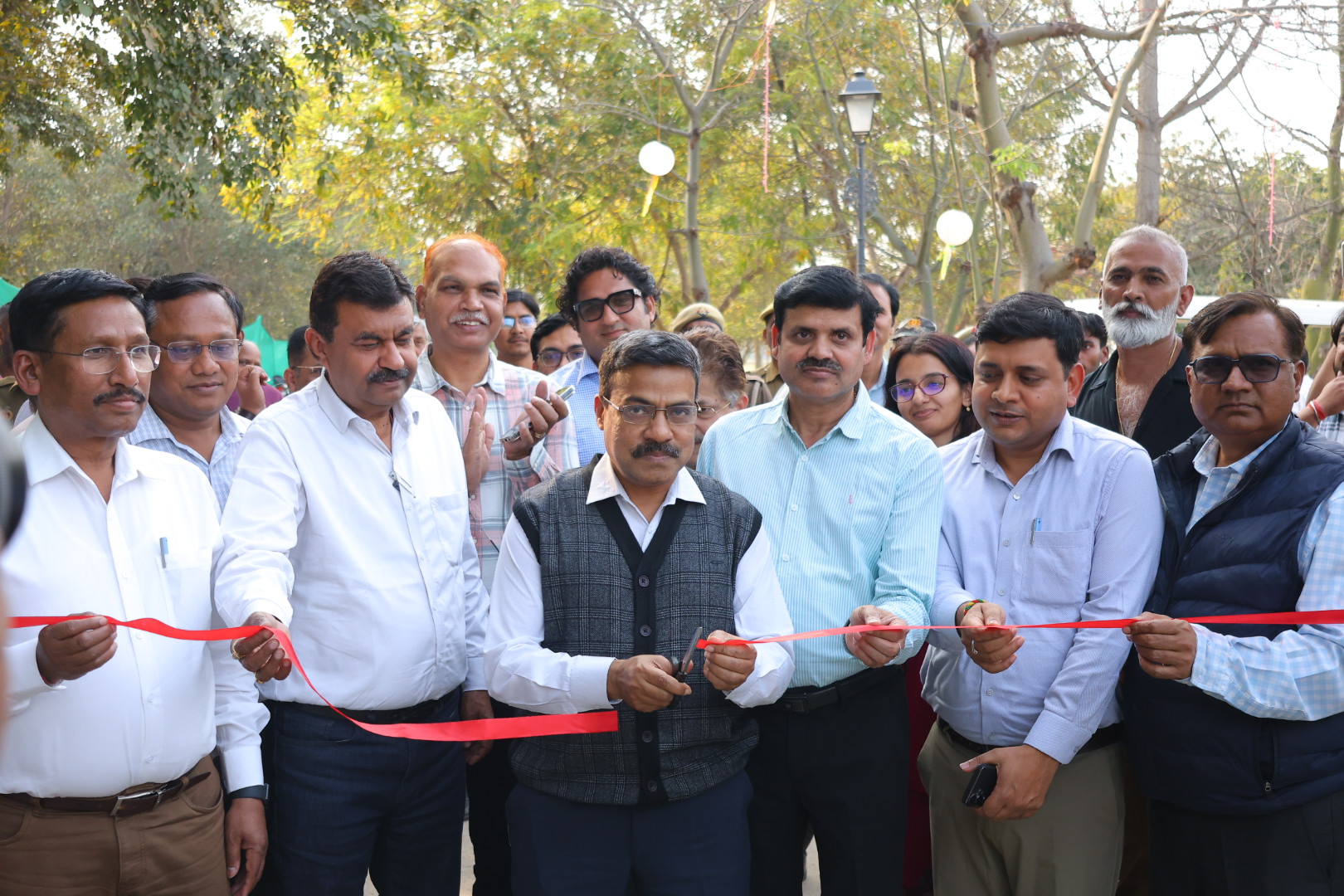
Lucknow | The city of Nawabs witnessed a spectacular confluence of nature, culture, and environmental consciousness as the Rose Festival was inaugurated at the newly developed Rose Garden, Gate No. 6 of Janeshwar Mishra Park. The grand opening marked a historic milestone for Lucknow, unveiling a breathtaking 15-acre Rose Garden now recognized as the second largest Rose Garden in India.
The festival was formally inaugurated by Vivek Srivastava, Secretary, LDA; Gyanendra Verma, Additional Secretary, LDA; C.P. Tripathi, Additional Secretary, LDA; Deepak Singh, Finance Controller, LDA; and Manvendra Singh, Chief Engineer, LDA. Presented by the Lucknow Development Authority and initiated by the Repertwahr Foundation, the festival brought together citizens, artists, environmental leaders, and youth under a shared vision of “Love for the Environment.”
A Garden of Unprecedented Scale and Beauty
The newly unveiled Rose Garden is a botanical marvel, featuring an extraordinary collection of 2,269 species of roses and a total of 10,509 rose plants. Thoughtfully curated along a rainbow theme, the garden creates a vivid spectrum of colors that symbolizes diversity, beauty, and harmony in nature.
Visitors strolling through the pathways were treated to a mesmerizing palette—from velvety reds and delicate pinks to radiant yellows, serene whites, and rare purples—each section designed to evoke a sense of wonder and reflection. Beyond its aesthetic appeal, the garden stands as a testament to thoughtful urban planning that integrates biodiversity with public spaces.
From Awareness to Action
The festival commenced with the formal inauguration of the Rose Garden, welcoming visitors into a space that seamlessly blends art, ecology, and sustainability. A key highlight was the immersive “Awareness to Action” Environmental Gallery, which emphasized the urgent need to protect trees, biodiversity, and urban ecosystems.
Through interactive installations and visual storytelling, visitors were encouraged to reflect on the environmental challenges facing modern cities and explore tangible solutions. The gallery underscored the importance of urban ecological restoration, urging individuals to move beyond awareness toward meaningful action.
Adding a practical dimension to the environmental discourse were live demonstrations of the Miyawaki afforestation method. Experts showcased how dense, rapid plantation techniques can accelerate ecological regeneration, even within urban landscapes. The demonstration attracted enthusiastic participation, particularly from students and young environmental volunteers eager to contribute to greener city initiatives.
Dialogues that Matter
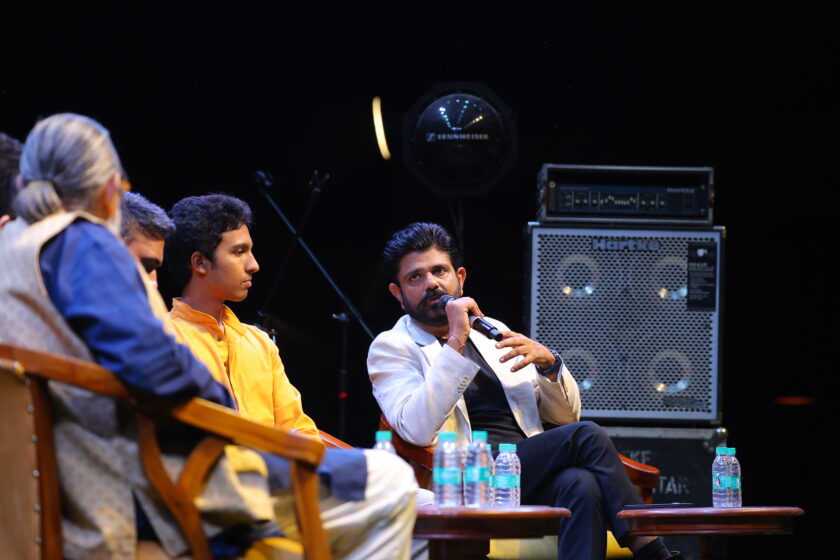
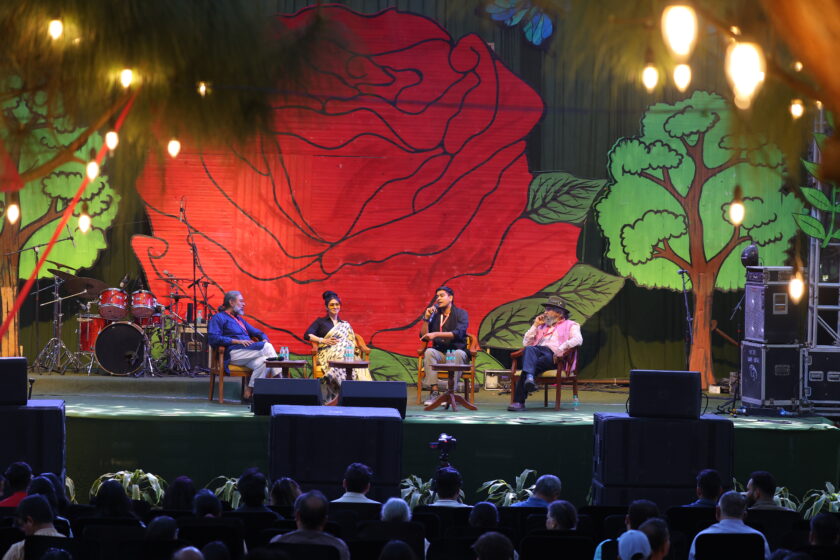
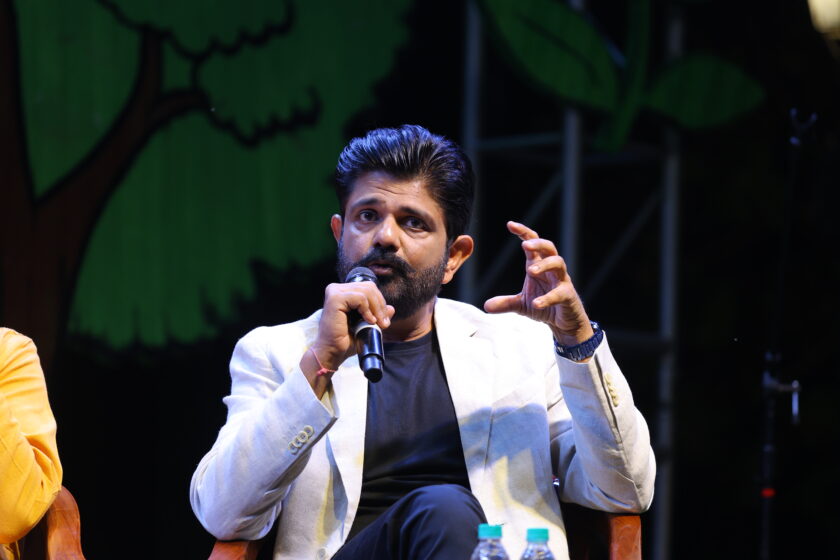
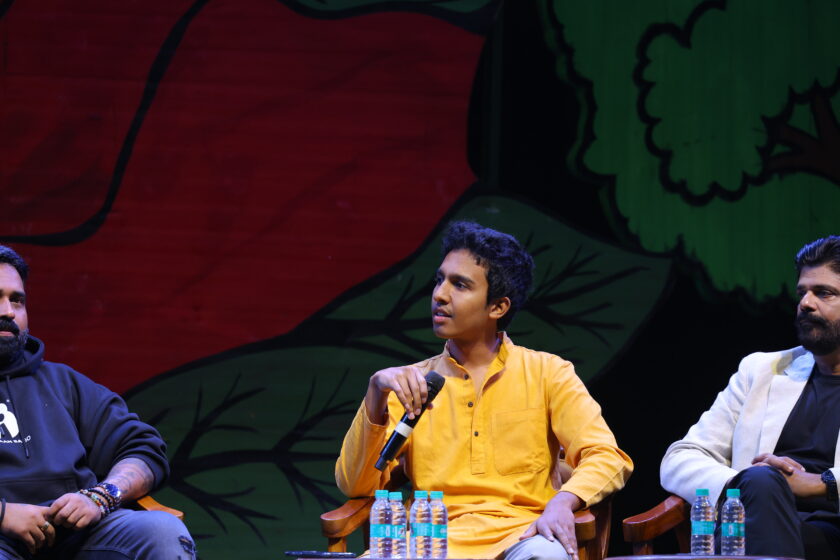
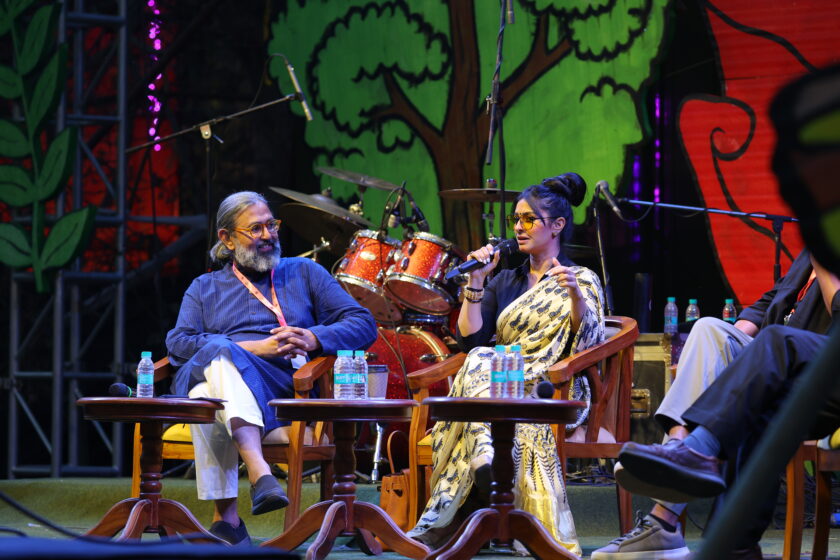
Environmental dialogue sessions curated by filmmaker Rudy Singh formed the intellectual heart of the festival. Designed to inspire critical thinking and collective responsibility, these sessions brought together distinguished voices from across disciplines.
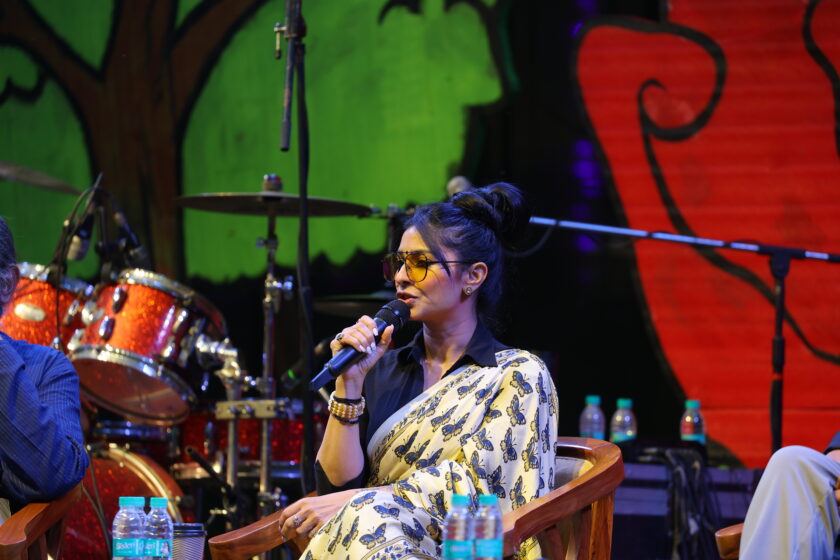
The first session, titled “Listening to the Earth: Trees, Water and the Stories That Can Still Save Us,” featured forestry expert Dr. V. Ramakantha, conservationist Ramveer Tanwar, and actress-environmentalist Tanishaa Mukerji. The panel explored the interconnectedness of forest restoration, water conservation, and climate resilience. Speakers emphasized that environmental protection is not solely a governmental responsibility but a collective societal commitment. Stories of grassroots initiatives and successful restoration projects served as inspiring examples of what can be achieved through collaboration.
The second session, “Listening to the Future: Young Voices, Climate Truths and the Courage to Act,” highlighted the urgency of youth-driven climate awareness. Actor Amit Sial, wildlife advocate Ishan Shanavas, philanthropist Dr. Chinu Kwatra, and climate communicator Udit Gupta engaged in a dynamic discussion about storytelling, digital advocacy, and the power of young changemakers. The conversation reinforced that climate action must be immediate, inclusive, and innovative.
Both sessions resonated deeply with the audience, fostering dialogue that extended beyond the stage into informal conversations throughout the garden.

Culture in Full Bloom
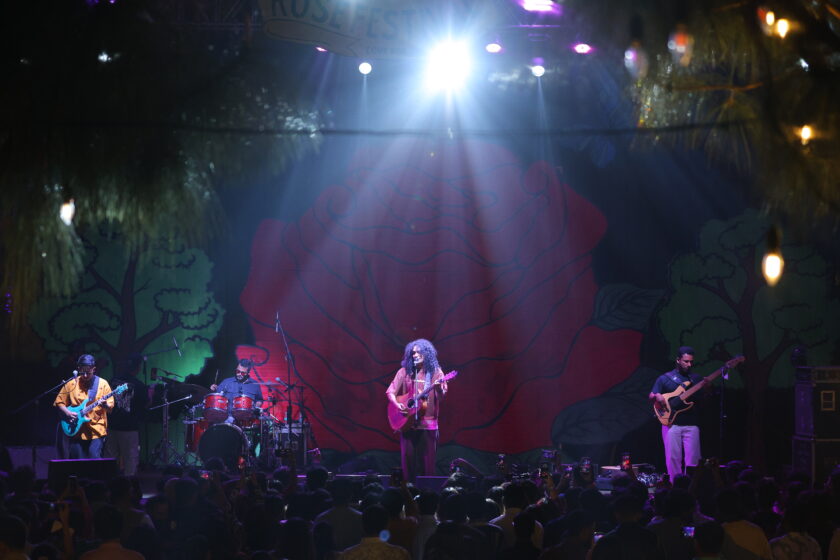
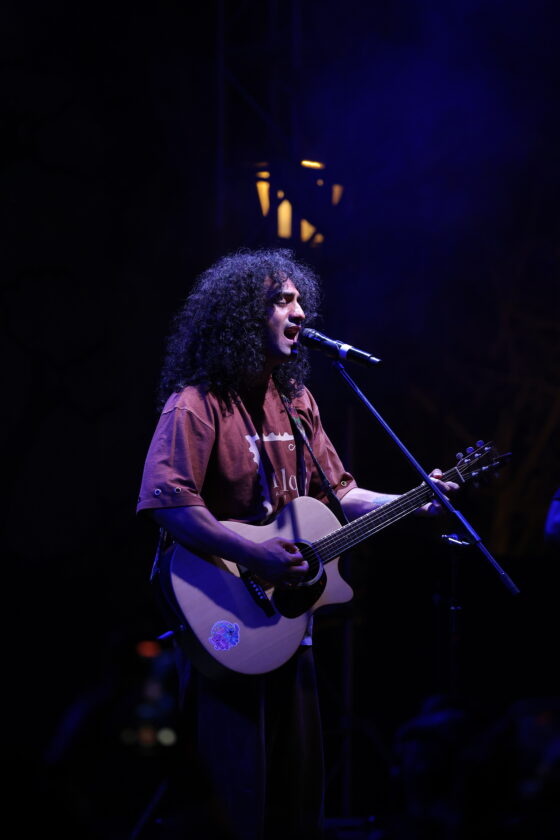
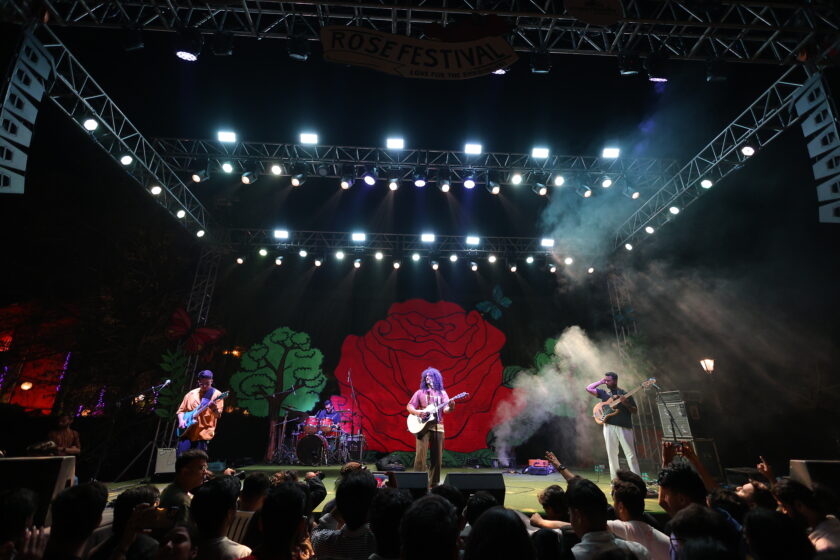
As twilight descended, the festival transformed into a vibrant cultural celebration. The fragrant air of roses blended with music, creating an atmosphere that was both reflective and celebratory.
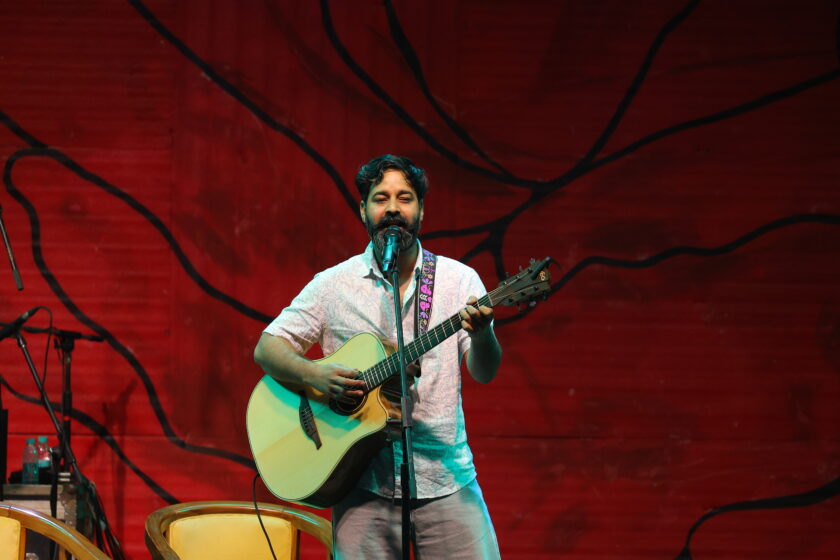
Folk artist Rahgir enthralled audiences with soul-stirring renditions of traditional melodies such as “Kachha Gadha” and “Mere Gaon Mein.” His performance evoked nostalgia and rootedness, reminding listeners of the intrinsic bond between rural landscapes and cultural identity.
The evening crescendo was marked by a high-energy performance from pop-rock band Naalayak. Their electrifying stage presence and contemporary sound energized the crowd, culminating the day’s celebrations on a powerful note of unity and hope.
Engaging the Community
The Rose Festival was not merely a spectacle but an inclusive community experience. The Pop-Up Market featured sustainable brands and handcrafted products, offering visitors eco-friendly alternatives and supporting local artisans. From organic skincare to handmade décor and eco-conscious fashion, the market reinforced the festival’s sustainability ethos.
Interactive workshops, poetry readings, and storytelling sessions provided creative platforms for expression. The Breath Farming initiative further engaged participants by distributing saplings, encouraging plantation drives across neighborhoods. Families, students, and environmental enthusiasts eagerly collected saplings, pledging to nurture them as symbols of their commitment to a greener Lucknow.
Children participated in art activities centered around themes of biodiversity and conservation, ensuring that environmental awareness was woven into the imagination of the next generation.
A Vision for a Greener Tomorrow
The Rose Festival at Janeshwar Mishra Park was more than an inaugural celebration—it was a declaration of intent. By blending ecological awareness with art, dialogue, and cultural performance, the event demonstrated how public spaces can become catalysts for sustainable transformation.
The newly developed Rose Garden stands not only as a horticultural landmark but also as a living symbol of what collaborative urban development can achieve. Its vibrant rainbow arrangement reflects the harmony possible when nature and community thrive together.
As visitors departed with saplings in hand and melodies lingering in their hearts, the festival left behind more than memories. It sparked renewed commitment—toward sustainability, collective action, and environmental stewardship.
In a rapidly urbanizing world, Lucknow’s Rose Festival serves as a reminder that cities can bloom responsibly. Through thoughtful planning, inclusive engagement, and artistic celebration, the event inspired a shared belief that a greener, more harmonious future is not just an aspiration—it is within reach.