Lucknow: Liver disease is rapidly emerging as a major public health concern in North India, particularly in Uttar Pradesh, but a positive shift in awareness and acceptance of liver transplantation is beginning to change outcomes for patients.
India records an estimated 2.5 to 3 lakh deaths every year due to liver diseases and cirrhosis, now ranking as the country’s eighth leading cause of death. Uttar Pradesh, home to nearly 17 per cent of India’s population, accounts for an estimated 50,000 to 60,000 liver-related deaths annually. However, the state sees only about 200–250 liver transplants each year, most of them performed in the National Capital Region, highlighting a significant gap in access to advanced care.
Medical experts point out that the rising incidence of fatty liver disease—affecting nearly 30–35 per cent of the population and up to 50 per cent in some regions—has further added to the burden. Often asymptomatic in early stages, the condition can silently progress to cirrhosis and liver failure.
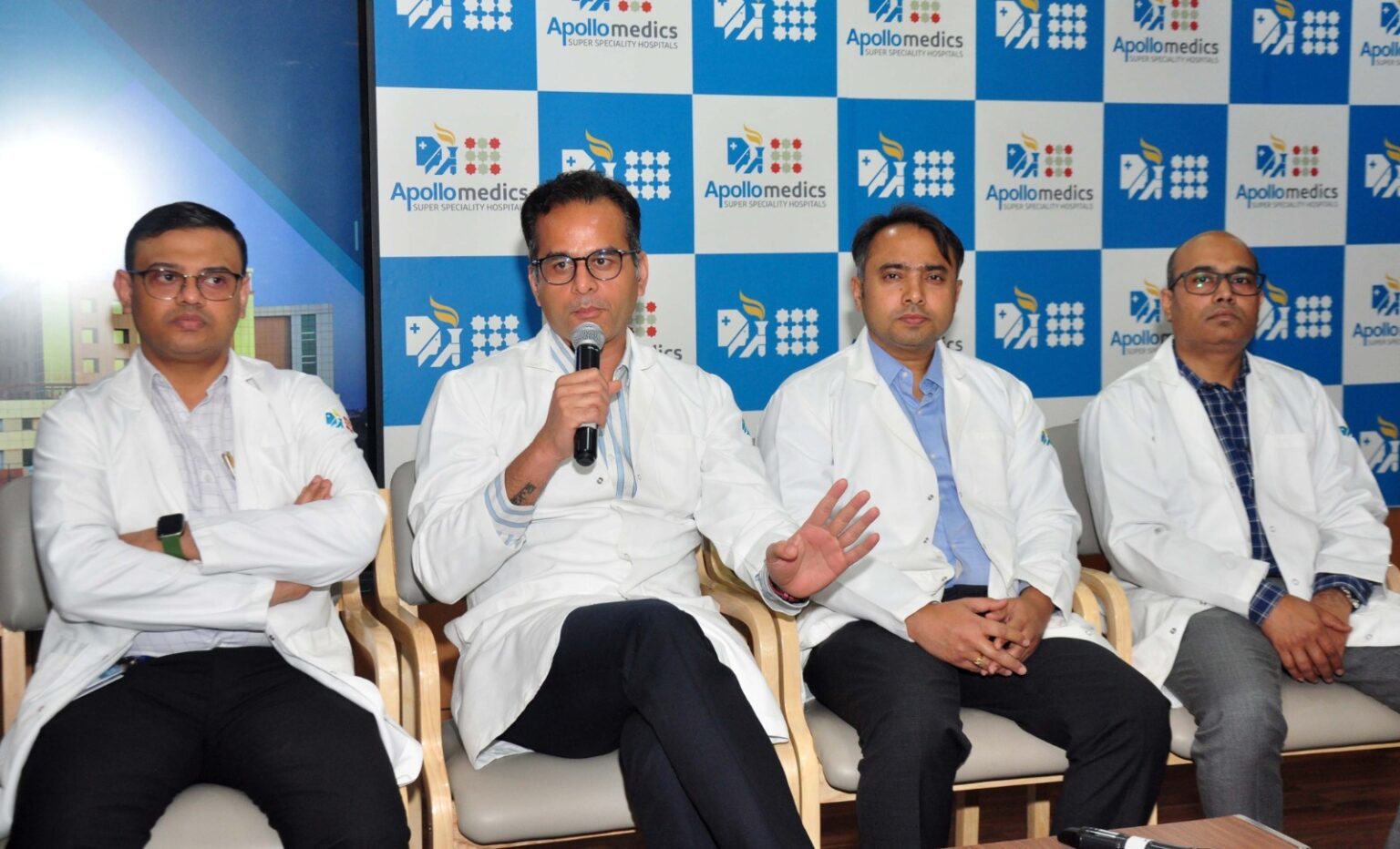
According to Dr. Abhishek Yadav, Senior Director and Head of Liver Transplant and HPB Surgery at ApolloMedics Hospital, there is a noticeable change in patient behaviour. “People are seeking medical advice earlier and are increasingly open to liver transplantation, including living donor transplants, as a safe and effective treatment,” he said.
Addressing the need for comprehensive liver care within the state, ApolloMedics Super Specialty Hospital in Lucknow has brought together diagnostics, medical management, complex hepato-pancreato-biliary (HPB) surgery, and liver transplantation under one programme. The hospital is also among the few centres in Uttar Pradesh capable of performing pediatric liver transplants and handling emergency transplant cases, which are critical in acute liver failure.
Dr. Jayendra Shukla, Consultant Gastroenterologist, noted that delayed referrals and limited transplant-ready facilities have long affected survival rates. “The encouraging change is growing awareness. Families are now more willing to consider living donation, and patients are reaching transplant centres at a stage where intervention can be lifesaving,” he said.

Highlighting the role of a multidisciplinary approach, Dr. Rajeev Ranjan Singh, Director of Gastroenterology, said the integrated team model has enabled the hospital to perform more than seven liver transplants in the past three months, among the highest numbers reported in the region.
Dr. Utkarsh Srivastava, Consultant in Liver Transplant and Gastro Surgery, added that improved counselling has reduced fear around transplantation. “Having adult, pediatric, and emergency transplant services within a single programme allows faster decision-making and better outcomes,” he said.
MD and CEO of ApolloMedics Super Specialty Hospital, Dr. Mayank Somani, said the changing public mindset presents both an opportunity and a responsibility. “As awareness grows, it is essential to expand advanced transplant services closer to home to reduce the emotional and financial burden on patients,” he said.
With Lucknow emerging as a growing medical hub, experts believe that improved infrastructure, awareness, and acceptance of living donation could significantly strengthen access to life-saving liver transplants across Uttar Pradesh and neighbouring states.