New Delhi: In a decisive response to the brutal Pahalgam terror attack on April 22, 2025, which claimed 26 lives, India executed Operation Sindoor, a meticulously planned military operation targeting terrorist infrastructure in Pakistan and Pakistan-occupied Jammu and Kashmir (PoJK). Launched in the early hours of May 7, the operation involved precision strikes on nine terrorist facilities, carefully selected to avoid Pakistani military installations, underscoring India’s commitment to a measured and non-escalatory approach. Monitored by Prime Minister Narendra Modi, the operation showcased seamless coordination across the Indian Army, Navy, and Air Force, leveraging advanced weaponry and intelligence to neutralize key terrorist targets while minimizing collateral damage.
Pahalgam Terror Attack: The Catalyst
The operation was triggered by the horrific attack on April 22, 2025, in Baisaran Valley near Pahalgam, Jammu and Kashmir. A group of four to five terrorists, believed to include Pakistani nationals, stormed the popular tourist meadow, executing 26 individuals, including 25 Indian nationals and one Nepali citizen. The attackers, armed with AK-47 and M4 rifles, identified victims’ religions before shooting primarily Hindu men in the head in an execution-style assault. The Resistance Front, a front for Lashkar-e-Taiba (LeT), claimed responsibility, sparking outrage across India and drawing international condemnation. The attack intensified India-Pakistan tensions, with New Delhi accusing Islamabad of harboring terrorists, including LeT and Jaish-e-Mohammed (JeM), responsible for cross-border violence.
Strategic Planning and Intelligence
Operation Sindoor was the culmination of weeks of rigorous planning, driven by precise intelligence from India’s Research and Analysis Wing (RAW) and National Investigation Agency (NIA). Indian agencies identified nine specific locations in Pakistan and PoJK as hubs for planning and directing terrorist attacks against India, including the LeT headquarters, a madrasa linked to JeM’s Masood Azhar, and training camps in Kotli, Bahawalpur, and Muzaffarabad. Intelligence was cross-verified using satellite imagery, human sources, and intercepted communications to ensure accuracy and minimize civilian risk. The operation was designed to be focused, measured, and non-escalatory, deliberately avoiding Pakistani military facilities to prevent broader conflict. Prime Minister Modi personally oversaw preparations, with real-time coordination from the Ministry of Defence and military headquarters.
Execution of Operation Sindoor
The operation commenced in the early hours of May 7, 2025, following final briefings late on May 6. Indian air defense units along the India-Pakistan border were activated as strikes began across nine locations in Pakistan and PoJK. The Indian Armed Forces deployed advanced weaponry, including precision-guided missiles, loitering munitions for real-time target assessment, and air-launched munitions from Indian Air Force platforms. Strikes were launched from Indian soil, with assets positioned along the Line of Control (LoC) and in Jammu and Kashmir. The operation was swift, completed within a short window to reduce the risk of Pakistani retaliation.
The strikes targeted terrorist infrastructure in Kotli, Bahawalpur, and Muzaffarabad in Pakistan, as well as multiple launchpads and facilities in PoJK linked to LeT and JeM. Preliminary assessments reported over 10 terrorists killed and several dozen injured, with all nine targets successfully struck, as confirmed by Indian sources. The use of loitering munitions ensured high accuracy, minimizing collateral damage. The Indian Ministry of Defence issued a statement post-operation, emphasizing the operation’s precision: “A little while ago, the Indian Armed Forces launched ‘OPERATION SINDOOR’, hitting terrorist infrastructure in Pakistan and Pakistan-occupied Jammu and Kashmir from where terrorist attacks against India have been planned and directed. Our actions have been focused, measured, and non-escalatory in nature. No Pakistani military facilities have been targeted. India has demonstrated considerable restraint in selection of targets and method of execution.” The Indian Army reinforced this message on X, posting a graphic captioned, “Justice is served. Jai Hind!”
Pakistan’s Response
Pakistan’s reaction was swift and critical. The Pakistan Army claimed that mosques and civilian structures were hit, alleging civilian casualties, including one child killed and two others injured. Prime Minister Shehbaz Sharif, in a post on X, described the strikes as a “warlike act” and asserted Pakistan’s right to respond forcefully. The Inter-Services Public Relations (ISPR), led by Director General Lt Gen Ahmed Sharif Chaudhry, labeled the operation a “cowardly attack” during a press briefing. Pakistani officials reported retaliatory strikes but provided no specifics. Heavy gunfire erupted from the Pakistani side along the LoC, met with return fire from Indian forces. Pakistani media, including Dawn, framed the strikes as occurring amid heightened tensions following a “militant incident” in Kashmir, reflecting mixed domestic sentiment, with some acknowledging the targeting of terrorist infrastructure and others decrying alleged civilian losses.
International Reactions
India proactively briefed key international partners, including the United States, United Kingdom, Saudi Arabia, UAE, and Russia, to manage global perceptions. U.S. President Donald Trump commented, “Hope it ends very quickly,” signaling a cautious stance. Praveen Donthi from the International Crisis Group highlighted the broader implications, noting that Kashmiris often bear the brunt of India-Pakistan tensions. The international community’s response underscored the delicate balance of addressing terrorism while avoiding escalation between nuclear-armed neighbors.
Symbolic and Strategic Significance
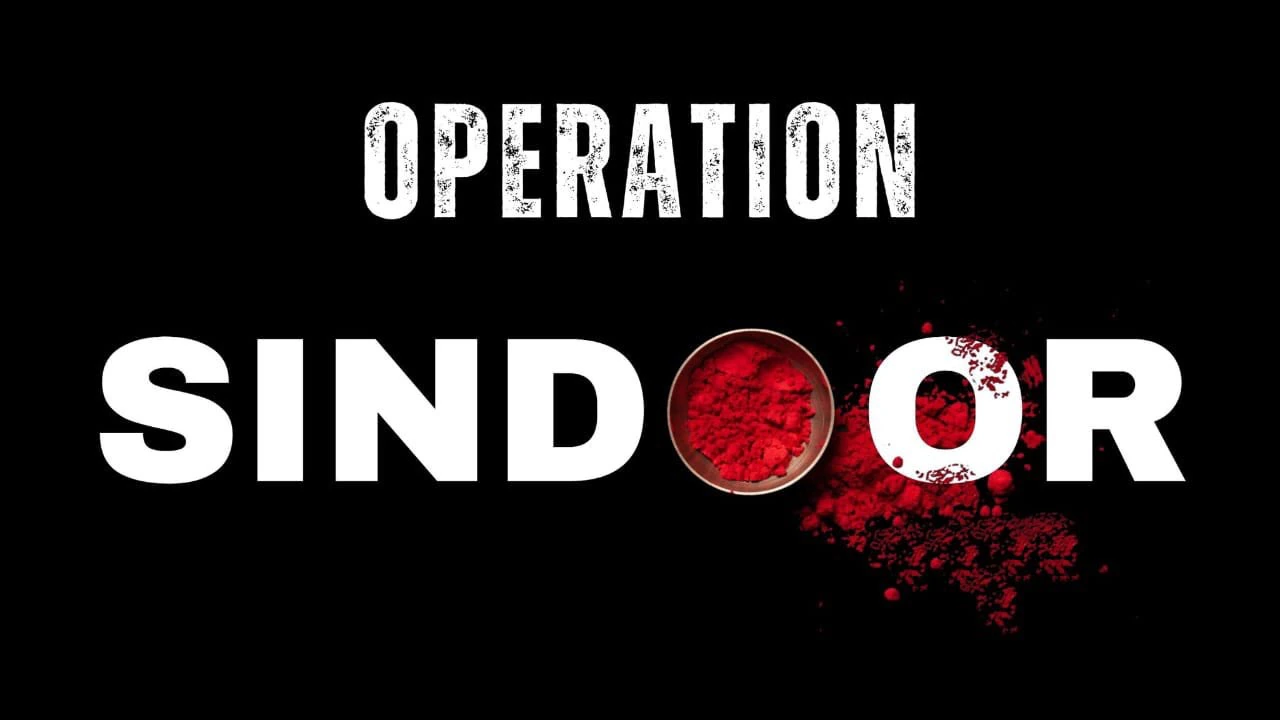
The operation’s name, Sindoor, carried profound cultural weight. Sindoor, or vermilion, is a sacred symbol of marriage in Hinduism, and the Pahalgam attack’s targeting of Hindu men, including husbands, made the name a poignant symbol of retribution. Operation Sindoor sent a resolute message to Pakistan that India would not tolerate cross-border terrorism, while its restraint in avoiding military targets demonstrated strategic foresight to prevent escalation. Domestically, the operation bolstered national morale, with leaders like Minister of State for Home Affairs Bandi Sanjay Kumar praising the “precise, ruthless, and unforgiving” strikes. The Indian Army’s X post resonated widely, reflecting public support for the operation as a step toward justice for the Pahalgam victims.
Challenges and Risks Ahead
Despite its success, Operation Sindoor heightened tensions along the LoC, with Pakistan’s retaliatory gunfire and threats of a “robust response” raising fears of escalation. Both nations scheduled high-level security meetings on May 7 to assess the situation, underscoring the volatile regional dynamic. Pakistan’s claims of civilian casualties, including damage to mosques, posed a diplomatic challenge, though India maintained the strikes were precise and targeted only terrorist infrastructure. In Kashmir, India’s post-Pahalgam crackdown, involving over 2,000 detentions and the demolition of nine homes of suspected rebels, stirred local unrest, evoking memories of past insurgencies. Analysts warned that such measures could inflame the conflict in Kashmir, complicating India’s security strategy.
Pakistani Response
Official Reaction
Pakistan Army: Claimed that mosques and civilian structures were hit, alleging civilian casualties, including one child killed and two others injured.
Prime Minister Shehbaz Sharif: Stated on X that Pakistan reserved the right to respond forcefully, describing the strikes as a “warlike act.”
Inter-Services Public Relations (ISPR): Director General Lt Gen Ahmed Sharif Chaudhry described the strikes as a “cowardly attack” during a press briefing.
Military Response

Retaliatory Strikes: Pakistani officials reported retaliatory strikes but provided no details.
Line of Control (LoC): Heavy gunfire was reported from the Pakistani side along the LoC, with Indian forces returning fire.
Domestic Sentiment
Pakistani media, such as Dawn, framed the strikes as occurring amid heightened tensions following a “militant incident” in Kashmir.
Public and official responses were mixed, with some acknowledging the targeting of terrorist infrastructure but others decrying alleged civilian casualties.
Message to Pakistan
Operation Sindoor sent a clear message that India would not tolerate cross-border terrorism. By targeting terrorist infrastructure while avoiding military facilities, India balanced assertiveness with restraint, reducing the risk of full-scale escalation.
Domestic Impact
The operation bolstered national morale, with Indian leaders like Minister of State for Home Affairs Bandi Sanjay Kumar praising the “precise, ruthless, and unforgiving” strikes.
The Indian Army’s X post, “Justice is served. Jai Hind!” resonated widely, reflecting public support for the operation.
Challenges and Risks
Escalation Risk
The operation heightened tensions along the LoC, with Pakistan’s retaliatory gunfire and threats of a “robust response” raising concerns about escalation between nuclear-armed neighbors.
Both countries scheduled high-level security meetings on May 7, 2025, to assess the situation.
Civilian Casualties
Pakistan’s claims of civilian casualties, including damage to mosques, posed a diplomatic challenge. India maintained that the strikes were precise and targeted only terrorist infrastructure.
Kashmir Crackdown
Post-Pahalgam, Indian forces detained over 2,000 people in Kashmir and demolished nine homes of suspected rebels, stirring local unrest and memories of past insurgencies.
Analysts warned that such measures could inflame the conflict in Kashmir, complicating India’s security strategy.
Operation Sindoor stands as a testament to India’s resolve to combat terrorism with precision and restraint. By neutralizing nine terrorist targets while avoiding Pakistani military facilities, India balanced assertiveness with caution, minimizing the risk of broader conflict. The operation’s success, underpinned by advanced technology and intelligence, reaffirmed India’s military capabilities and commitment to national security. However, the fragile India-Pakistan relationship remains a concern, with risks of escalation and regional instability. India’s briefings to international partners and the Ministry of Defence’s planned detailed disclosure reflect efforts to maintain transparency and shape global narratives. Operation Sindoor marks a significant chapter in India’s counter-terrorism efforts, delivering justice for the Pahalgam victims while navigating the complex geopolitics of South Asia.