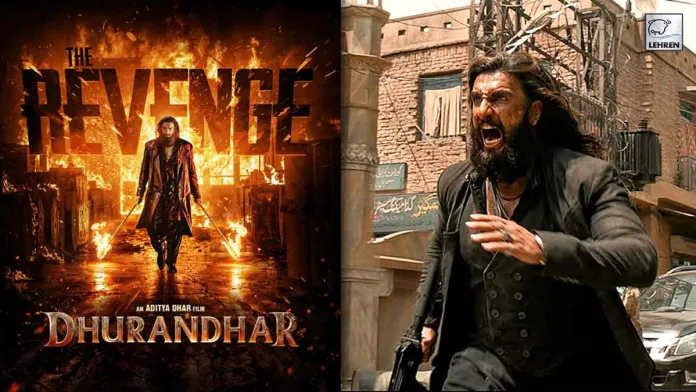
Mumbai: Filmmaker Ram Gopal Varma has heaped praise on actor Ranveer Singh and director Aditya Dhar after watching the espionage action thriller Dhurandhar, calling the film a landmark moment for Indian cinema. In a series of posts on social media platform X on Friday, Varma highlighted the film’s storytelling confidence, technical precision, and Ranveer Singh’s rare willingness to step back as a lead actor to serve the narrative.
Varma described Dhurandhar as a film that does not seek attention but commands it. According to him, Aditya Dhar has crafted a cinematic experience driven more by psychological tension than spectacle. He said the director “engineers the mental states of both characters and audiences,” creating an immersive world where silence, sound, and pacing are used as deliberate narrative weapons.
Calling the film “a turning point,” Varma said its greatest strength lies in trusting the audience’s intelligence. He noted that instead of spelling out characters’ histories, the film allows viewers to interpret emotional scars through performance and context. This restraint, he said, marks a significant departure from formula-driven mainstream cinema.
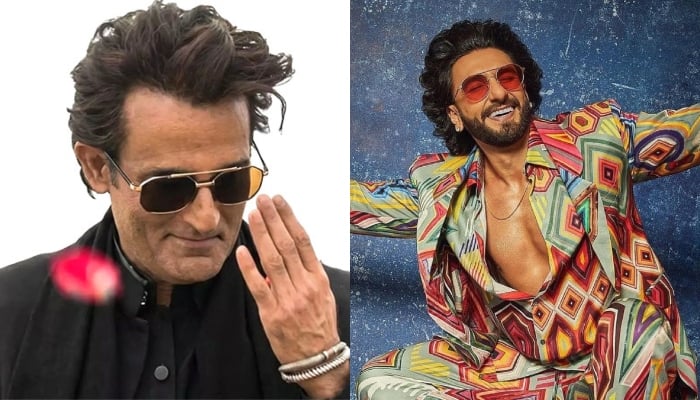
One of Varma’s strongest observations was reserved for Ranveer Singh’s performance choices. Despite being the film’s central figure, Singh allows Akshaye Khanna’s character to dominate several crucial moments. Varma termed this a testament to Singh’s deep understanding of cinema rather than star image.
“It’s remarkable how Ranveer Singh steps aside to let Akshaye Khanna fill the frame when the story demands it,” Varma wrote, adding that the absence of exaggerated heroism and slow-motion elevation scenes keeps the audience in a constant state of tension rather than applause-seeking comfort.
Varma also praised the film’s treatment of violence, describing it as psychologically unsettling rather than visually indulgent. He credited action director Aejaz Gulab for grounding the brutality in character psychology instead of choreographed spectacle. The sound design, Varma added, functions almost like an additional character, shaping the emotional weight of each scene.

According to Varma, Dhurandhar deliberately avoids predictable narrative arcs. The story unfolds unevenly, mirroring real life rather than cinematic convention. He said this rejection of tidy resolutions and formulaic structure signals a more mature phase for Indian filmmaking.
Beyond performances and technique, Varma emphasized the film’s broader message to the industry. He said Dhurandhar proves that Indian cinema does not need to dilute itself or imitate Western storytelling to achieve global appeal. Its success, he argued, should be seen as a call for filmmakers to evolve.
“Dhurandhar is not just a blockbuster; it is a warning to the film industry to grow up,” Varma concluded.
Starring Ranveer Singh as Hamza, the film also features Akshaye Khanna, R. Madhavan, Sanjay Dutt, Arjun Rampal, Sara Arjun, and Rakesh Bedi. Released in theatres on December 5, Dhurandhar has emerged as one of the biggest commercial successes of 2025, crossing ₹450 crore at the domestic box office, according to trade estimates. A sequel is scheduled for theatrical release on March 19, 2026.