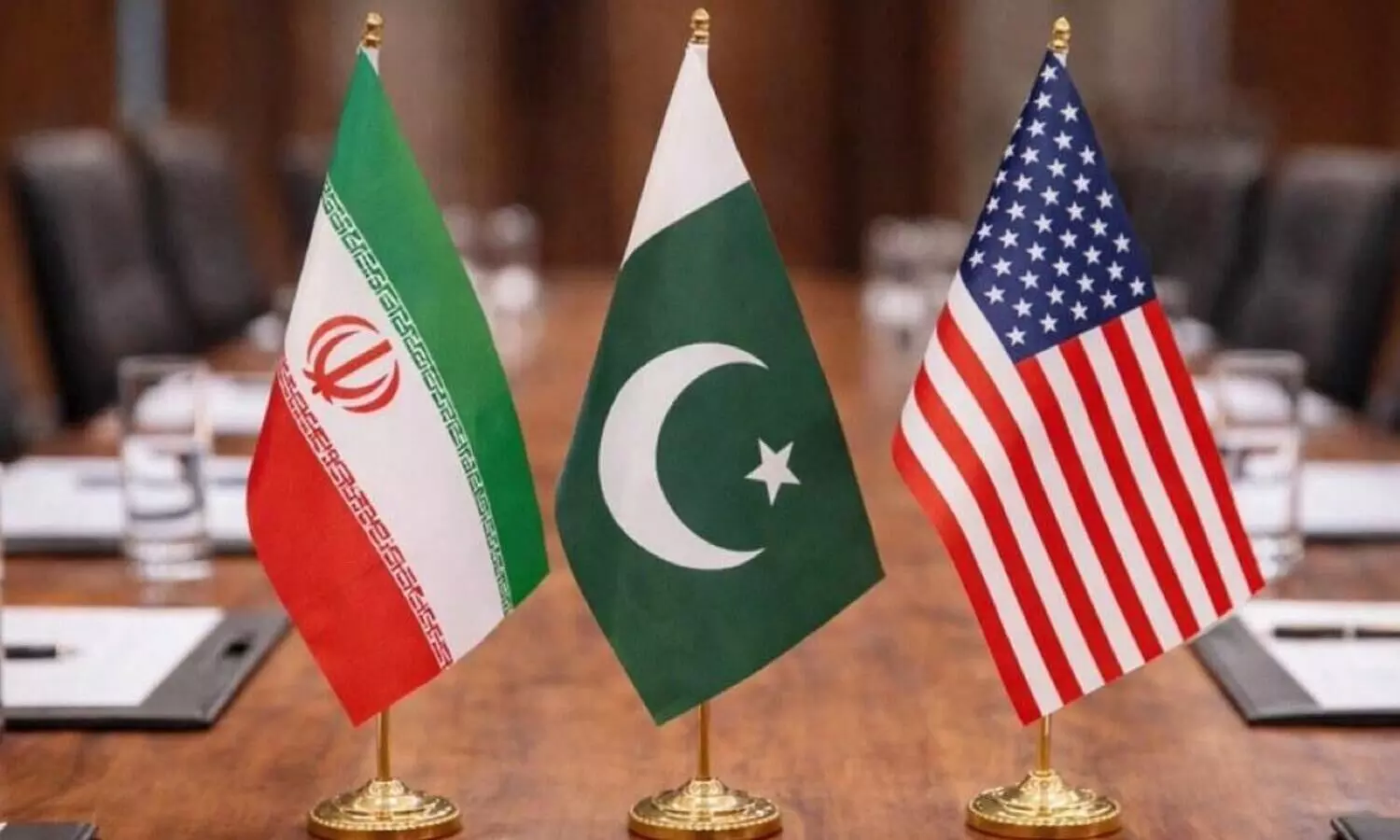
Karachi | Pakistan’s attempt to position itself as a mediator in easing tensions between the United States and Iran suffered a setback after a high-level diplomatic meeting in Islamabad ended prematurely without any concrete outcome.
The two-day conference, scheduled for March 29–30, concluded within a single day, reflecting deep divisions among participating nations and the absence of a unified strategy. Foreign ministers from Turkey, Saudi Arabia, and Egypt attended the meeting, which aimed to establish a framework for facilitating dialogue between Washington and Tehran.
No Consensus on Roadmap
Diplomatic sources indicated that the talks failed to produce any actionable roadmap or agreement. A major sticking point remained Iran’s firm demands for security guarantees and credible assurances before entering any formal negotiations.
Participating countries were reportedly unable to address these concerns convincingly, resulting in a deadlock. The lack of consensus ultimately led to the early conclusion of discussions, undermining the meeting’s primary objective of advancing peace efforts.
Early Exit Highlights Divisions
The conference was further weakened when representatives from Saudi Arabia and Egypt departed on March 29 itself, signaling dissatisfaction and contributing to the abrupt end of the meeting.
Clear differences emerged during deliberations. While Pakistan and Turkey pushed for proactive mediation, Saudi Arabia and Egypt adopted a more cautious stance, emphasizing the need for direct engagement with the United States before endorsing any mediation framework.

Saudi Arabia, in particular, appeared reluctant to fully back claims that Pakistan and Turkey could successfully bridge the gap between Washington and Tehran, exposing a lack of unity among regional stakeholders.
Limited Way Forward
Despite the inconclusive outcome, officials indicated that Pakistan and Turkey may continue diplomatic outreach to Iran, urging flexibility in its conditions. Tehran, however, remains firm, citing past experiences and insisting on concrete guarantees.
All participating nations agreed to maintain diplomatic communication channels and continue efforts to reduce regional tensions. Sources suggest that a follow-up meeting could be convened later this week, provided there is a positive response from both the United States and Iran.
For now, the episode underscores the complexities of regional diplomacy, where competing interests and strategic caution continue to hinder progress toward de-escalation.