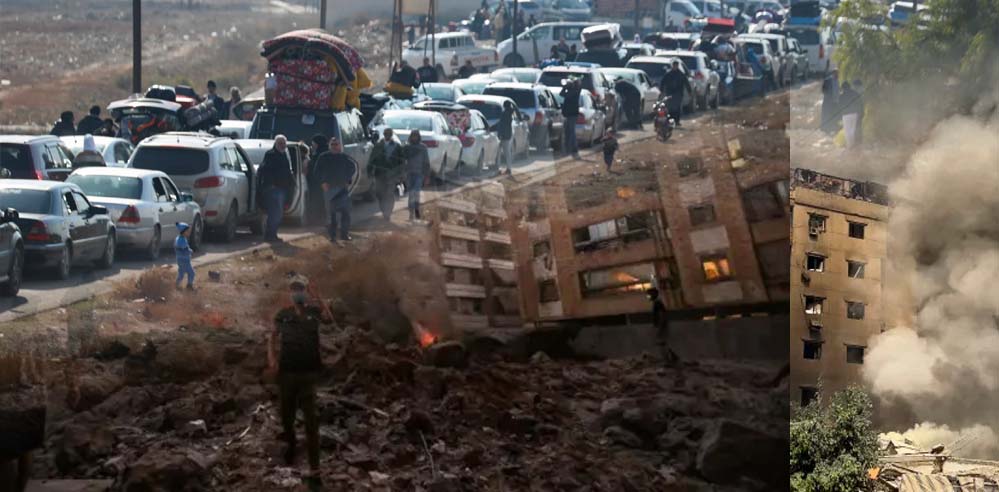
Beirut | A rapidly intensifying conflict in the Middle East has triggered a deepening humanitarian and geopolitical crisis, with more than one million people displaced in Lebanon amid escalating clashes and cross-border hostilities.
Tensions linked to Iran have expanded into a wider regional confrontation, impacting global oil markets and security dynamics. Airstrikes and ground operations have intensified, particularly in Lebanon, where fighting between Israel and the Hezbollah has worsened conditions on the ground. A United Nations peacekeeper has also been killed, raising concerns over the safety of international missions.
Global Oil Shock and Economic Fallout
The conflict has significantly disrupted oil supply routes, especially around the strategic Strait of Hormuz, pushing Brent crude prices above $107 per barrel. Several countries are grappling with rising fuel costs, with some witnessing prices double in recent weeks.
Nations such as Australia have introduced emergency measures, including free public transport, to ease the burden on citizens. Meanwhile, countries across Asia are increasingly turning to Russian oil imports to stabilise supply.
Rising Military Tensions and Warnings
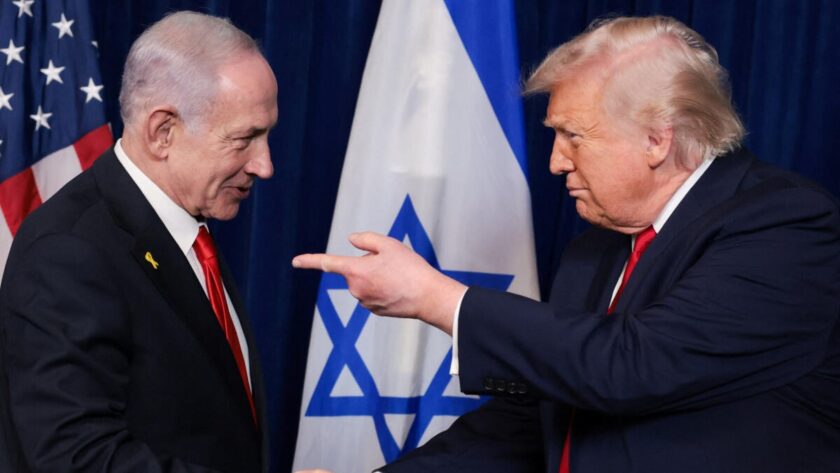
US President Donald Trump issued a stern warning to Iran, cautioning that failure to abandon nuclear ambitions could lead to severe consequences. He also indicated that diplomatic talks between Washington and Tehran remain ongoing.
In response, Iranian military official Ebrahim Zolfaqari warned of strong retaliation if the US attempts any military expansion in the Persian Gulf, further escalating rhetoric.
Expanding Conflict Footprint
Recent attacks on US military bases in Baghdad and reported drone and missile strikes in the Gulf region have heightened fears of a broader war. In Kuwait, strikes on critical infrastructure, including power and water facilities, have caused casualties and damage.
Qatar has condemned the attacks, calling them a serious violation of regional stability and expressing solidarity with Kuwait.

Intelligence Claims Raise Stakes
Ukrainian President Volodymyr Zelenskyy has alleged that Russia provided intelligence support to Iran, including satellite imagery of the strategic Diego Garcia base used by the US and UK. According to the claims, the intelligence may have been used in attempted missile strikes, though no direct hits were reported.
Experts warn that if verified, such involvement could significantly widen the scope of the conflict.
Economic Gains Amid Pressure
Despite mounting international pressure, Iran appears to be benefiting economically from the crisis. Reports suggest that its oil revenues have nearly doubled since late February, driven by rising global prices and supply shortages.
Military Build-Up and Regional Unrest
Israel has accelerated its defence preparedness, signing a $48 million deal with Elbit Systems to procure artillery shells, aiming to strengthen domestic production and reduce reliance on imports.
Meanwhile, unrest continues in the West Bank. Near Bethlehem, reports indicate that Palestinian vehicles were set on fire in alleged attacks by Israeli settlers, further inflaming tensions.
Executions and Crackdown in Iran
In a separate development, Iranian authorities have executed two individuals accused of links to the opposition group Mujahedin-e-Khalq, citing national security concerns.
As violence spreads and diplomatic tensions mount, the crisis is increasingly being viewed as a potential global flashpoint, with humanitarian, economic, and security implications continuing to grow.